
If your skin often reacts to products or becomes red and irritated easily, it’s natural to assume you have “sensitive skin.” But many people who identify as sensitive actually have sensitized skin—a temporary, reactive condition caused by external factors. Although the symptoms may look similar, the root causes and long-term care for each are very different. Understanding the difference can help you choose the right skincare approach and avoid unnecessary irritation.
What Is Sensitive Skin?
Sensitive skin is a skin type, just like oily, dry, or combination skin. This means it is something you are usually born with. People with true sensitive skin tend to have naturally thinner skin barriers and more reactive nerve endings. This makes them more prone to redness, itchiness, inflammation, and discomfort when exposed to certain ingredients or environmental triggers.
Common characteristics of sensitive skin include:
-
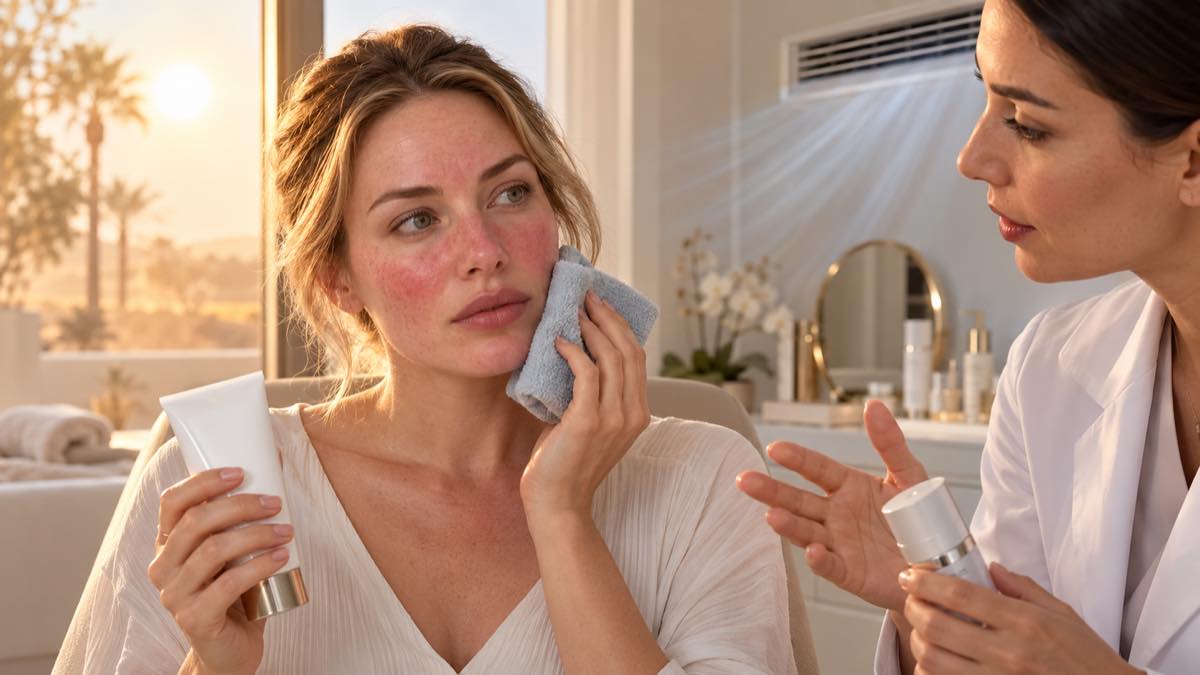
Persistent redness
-
Flare-ups from fragrance or strong actives
-
Easily irritated by cold, heat, or wind
-
A consistent pattern of reactions since childhood or adolescence
Because this is a genetic tendency, sensitive skin needs gentle, barrier-supporting care every single day.
What Is Sensitized Skin?
Sensitized skin, on the other hand, is not a skin type—it is a condition. It occurs when the skin barrier becomes damaged due to lifestyle habits, harsh products, or environmental stress. In other words, sensitized skin is something that developsover time, regardless of whether your skin is oily, dry, or combination.
Typical causes include:
-
Over-exfoliating with strong acids or scrubs
-
Using multiple active ingredients at the same time
-
Exposure to pollution, sun damage, or dry indoor air
-
Stress, lack of sleep, and unhealthy diet
-
Using too many products with alcohol or fragrance
Sensitized skin often appears suddenly and may resolve once the barrier is repaired.
How to Tell the Difference
Even though sensitive and sensitized skin may look alike, a few clues can help you differentiate them:
-
Sensitive skin reactions are consistent and long-term.
-
Sensitized skin reactions are temporary and often follow a new product or lifestyle change.
-
Sensitive skin is linked to genetics.
-
Sensitized skin is linked to barrier damage.
-
Sensitive skin needs lifelong gentle care.
-
Sensitized skin improves significantly when irritants are removed.
Caring for Sensitive vs. Sensitized Skin
Both conditions require a careful approach, but the strategies differ slightly.
For sensitive skin:
-
Stick to fragrance-free, hypoallergenic products
-
Prioritize ingredients like ceramides, glycerin, aloe vera, and squalane
-
Avoid strong exfoliants and limit actives
-
Protect skin from extreme temperatures
For sensitized skin:
-
Pause all active ingredients temporarily
-
Rebuild the barrier with ceramides, peptides, and hyaluronic acid
-
Avoid harsh scrubbing or foaming cleansers
-
Keep routines simple until the skin stabilizes
Final Thoughts
While sensitive and sensitized skin may appear similar on the surface, they are fundamentally different. Sensitive skin is a natural skin type that needs consistent, gentle care. Sensitized skin is a temporary condition caused by external stressors and can often be repaired with the right skincare routine. Understanding which one you have is the first step toward achieving calmer, healthier, and more resilient skin.