Skin brightening is one of the most commonly discussed topics in skincare. Many people look for ways to achieve a more radiant, even-toned complexion, but with countless products and treatments available, it can be confusing to know what actually works. In this blog, we’ll explore the science behind skin brightening, effective strategies, and tips for achieving a natural glow.
Understanding Skin Brightening
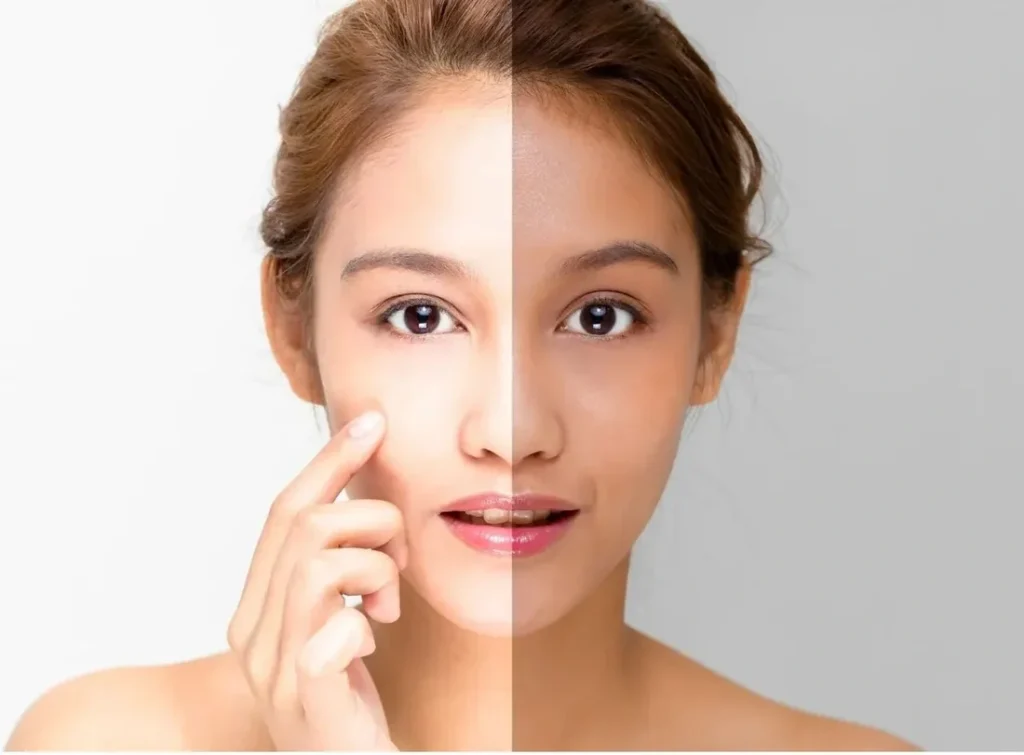
First, it’s important to understand what “skin brightening” really means. Brightening does not permanently change your natural skin color; instead, it focuses on improving skin clarity, radiance, and tone uniformity. Common issues that skin brightening addresses include:
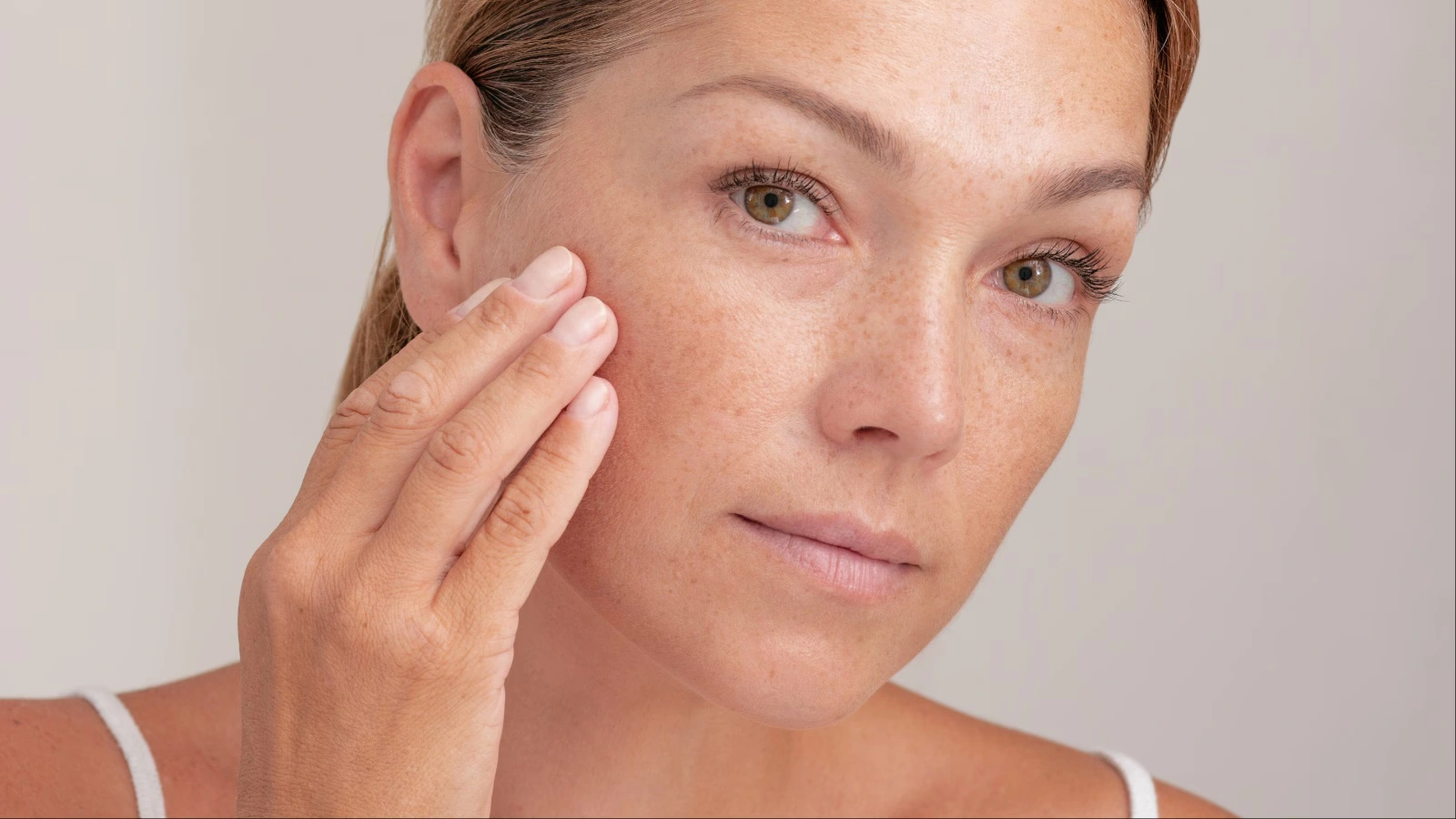
- Hyperpigmentation: Dark spots caused by sun exposure, acne, or hormonal changes.
- Dullness: Skin that looks tired, uneven, or lacking radiance.
- Redness or Discoloration: Uneven patches that make the complexion look blotchy.
Brightening aims to reduce these imperfections, resulting in a more even and glowing appearance.
Effective Ingredients for Skin Brightening
Several ingredients have been scientifically proven to help improve skin brightness and even out tone:
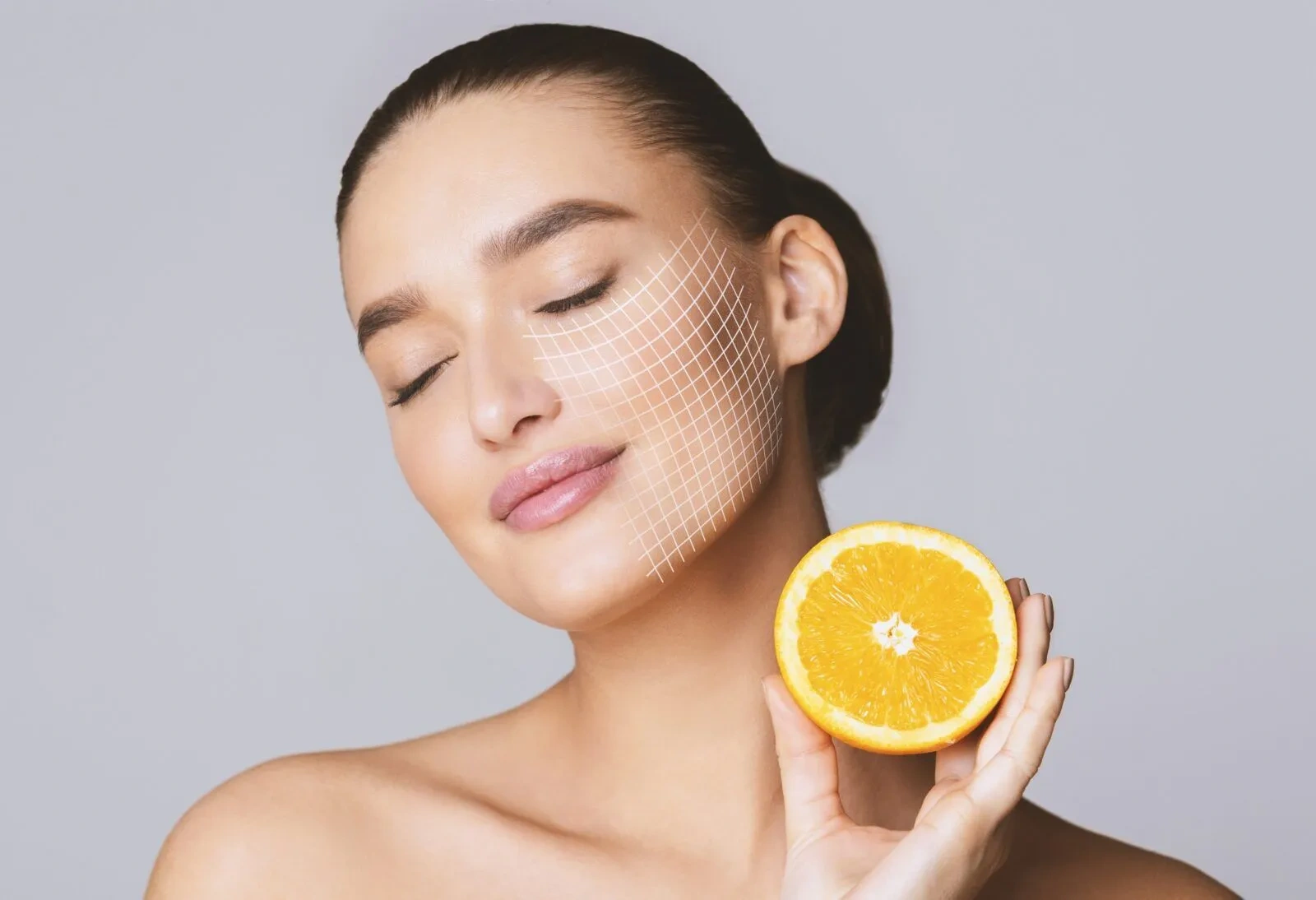
- Vitamin C: A powerful antioxidant that helps reduce pigmentation, boost collagen production, and protect against environmental damage.
- Niacinamide: Also known as Vitamin B3, it helps fade dark spots, reduce redness, and strengthen the skin barrier.
- Alpha Arbutin: Works to inhibit melanin production, reducing dark spots and hyperpigmentation.
- Licorice Extract: Natural brightening agent that helps even out skin tone and reduce inflammation.
- Kojic Acid: Derived from fungi, it prevents the formation of excess melanin.
- Exfoliating Acids (AHAs & BHAs): Ingredients like glycolic acid and salicylic acid remove dead skin cells, revealing fresher, brighter skin underneath.
Consistency is key when using these ingredients. Most require several weeks of regular use to show visible results.
Professional Treatments for Skin Brightening
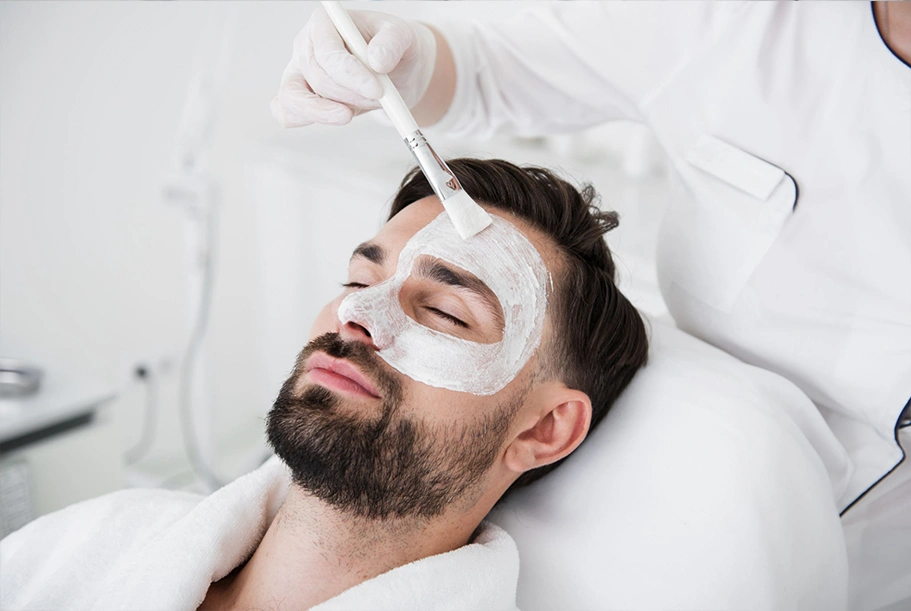
In addition to topical products, professional treatments can accelerate the skin brightening process:
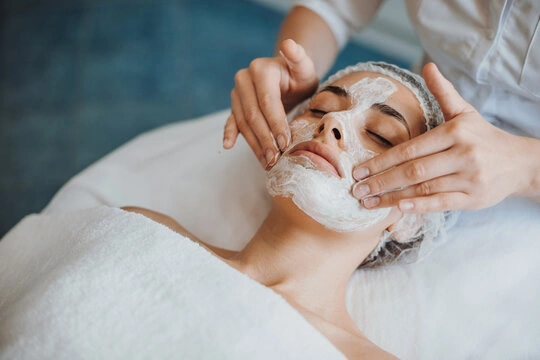
- Chemical Peels: Help remove the outer layer of dead skin cells, improving tone and texture.
- Laser Treatments: Target pigmentation and stimulate collagen, leading to a brighter complexion.
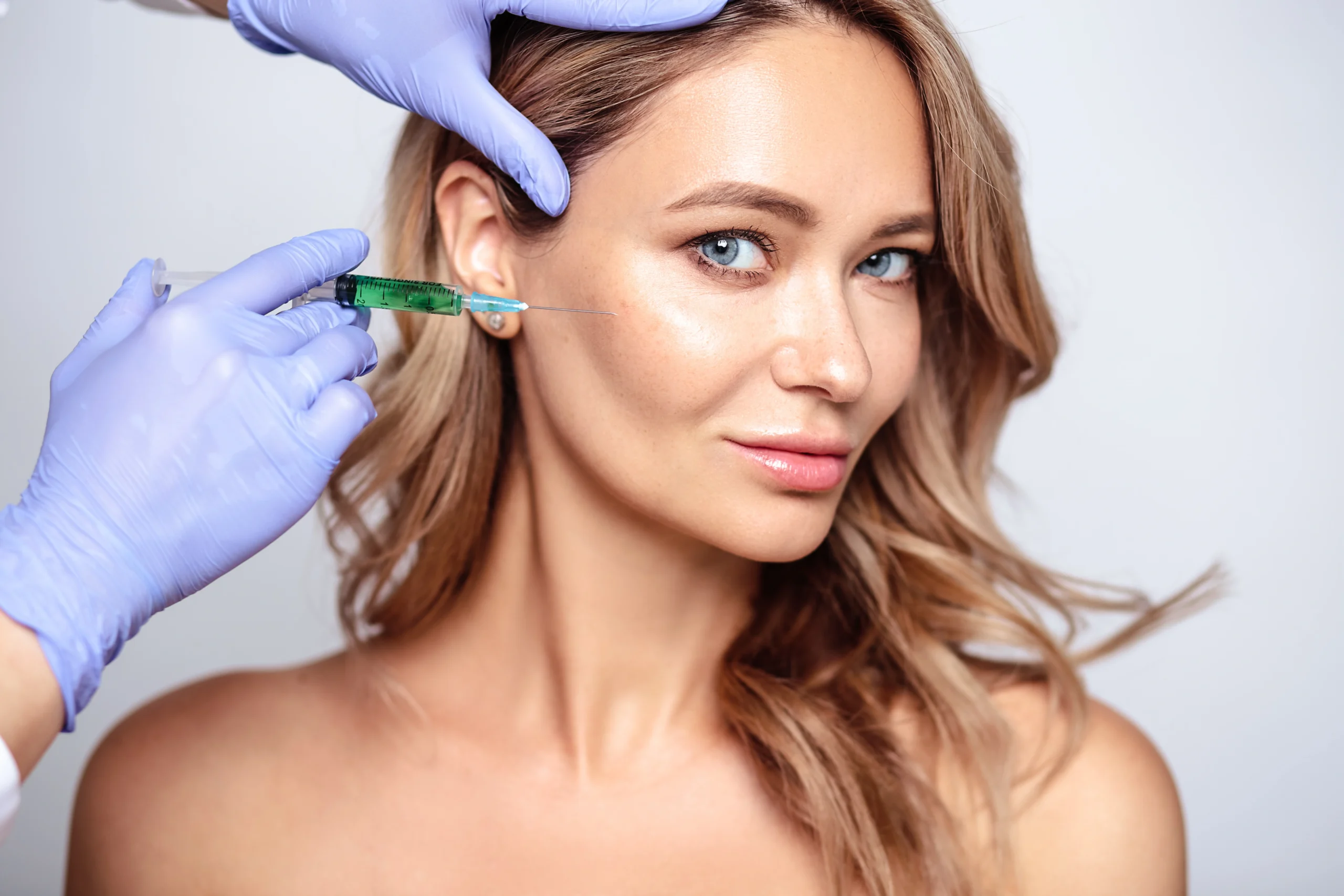
- Microneedling: Improves product absorption and encourages skin regeneration, which can reduce dullness and dark spots.
- Photorejuvenation: Uses light therapy to target pigmentation and enhance overall radiance.
These treatments should always be performed by certified professionals to ensure safety and effectiveness.
Daily Habits for Brighter Skin
Skin brightening is not just about products and treatments—it also depends on healthy lifestyle habits:
- Sun Protection: Sunscreen is the most important step in preventing new dark spots and maintaining brightness. Broad-spectrum SPF protects against both UVA and UVB rays.
- Hydration: Drinking enough water and using moisturizers keep the skin plump and radiant.
- Healthy Diet: A diet rich in fruits, vegetables, and antioxidants supports skin health from within.
- Adequate Sleep: Sleep allows the skin to repair and regenerate, reducing dullness.
- Gentle Skincare Routine: Avoid harsh scrubbing or overuse of products, which can cause irritation and worsen pigmentation.
Common Misconceptions About Skin Brightening
There are several myths about skin brightening that are important to clarify:
- It changes your natural skin color: Brightening focuses on reducing imperfections and enhancing natural glow—it does not bleach the skin.
- Results are instant: Skin brightening takes time, often several weeks of consistent care.
- Expensive products work better: Price does not always guarantee results. Ingredients and consistency matter more.
Home remedies are enough: Natural remedies like lemon juice can irritate skin if not used carefully. Professional ingredients are usually more effective and safer.