


Enjoy Flexible Payment Plans & Exclusive Discounts on Your Aesthetic Treatments.

Pigmentation Treatment in Dubai for Face and Body

Hyperpigmentation Treatment in Dubai

Looking for treatment for pigmentation on your face or body? Hyperpigmentation treatment starts with finding out which type you have, then fading it with peels, light or laser in a plan made for your skin tone.
GMC-Offers.png
pigmentation treatment in Dubai
What Causes Hyperpigmentation?

Hyperpigmentation means patches of skin that are darker than the skin around them, because the skin has made too much melanin there. It is very common on the face, where hyperpigmentation shows as brown spots, patches or a blotchy tone. The main triggers are sun exposure, hormones, inflammation (such as acne or eczema), friction and heat. In Dubai, strong sun all year makes most types darker and slower to fade.

There are a few main types, and each is treated a little differently. Sun spots and dark spots come from years of sun. Melasma is hormone-driven patches on the cheeks, forehead and lip, and it needs gentle, long-term care. Post inflammatory hyperpigmentation is the flat brown or red mark left after a spot, a rash or a burn. Others are an overall uneven skin tone, hyperpigmentation around the mouth, and darker skin on the body, such as the underarms.

Key Benefits of Treatment

Fades dark spots and patches over time

A more even skin tone

A plan matched to your pigmentation type

Settings chosen for your skin tone

Brighter, clearer-looking skin

Helps fade acne marks

Options for the face and body

Advice on keeping pigment from coming back

Procedure at a glance

Is it painful?

Mild for most people. Peels can sting or tingle. IPL and laser feel like warm snaps on the skin, and numbing cream can be used.

Is there any downtime?

Little to none for most treatments. Expect some redness for a day or two. After IPL or laser, spots often turn darker and flake off over 5–10 days. Peels can cause light peeling for a few days. Frax Pro has more downtime, often 3–5 days of redness.

How many sessions needed?

Most people need 3–6 sessions, a few weeks apart, depending on the type and depth of the pigment. Melasma needs ongoing care.

When can I see the result?

Spots often start to fade 2–4 weeks after the first session. The clearer change shows after a few sessions.

How long does the procedure take?

Depends on the treatment and area. Most sessions take 20–45 minutes, plus numbing time for laser.

Book Your Appointment

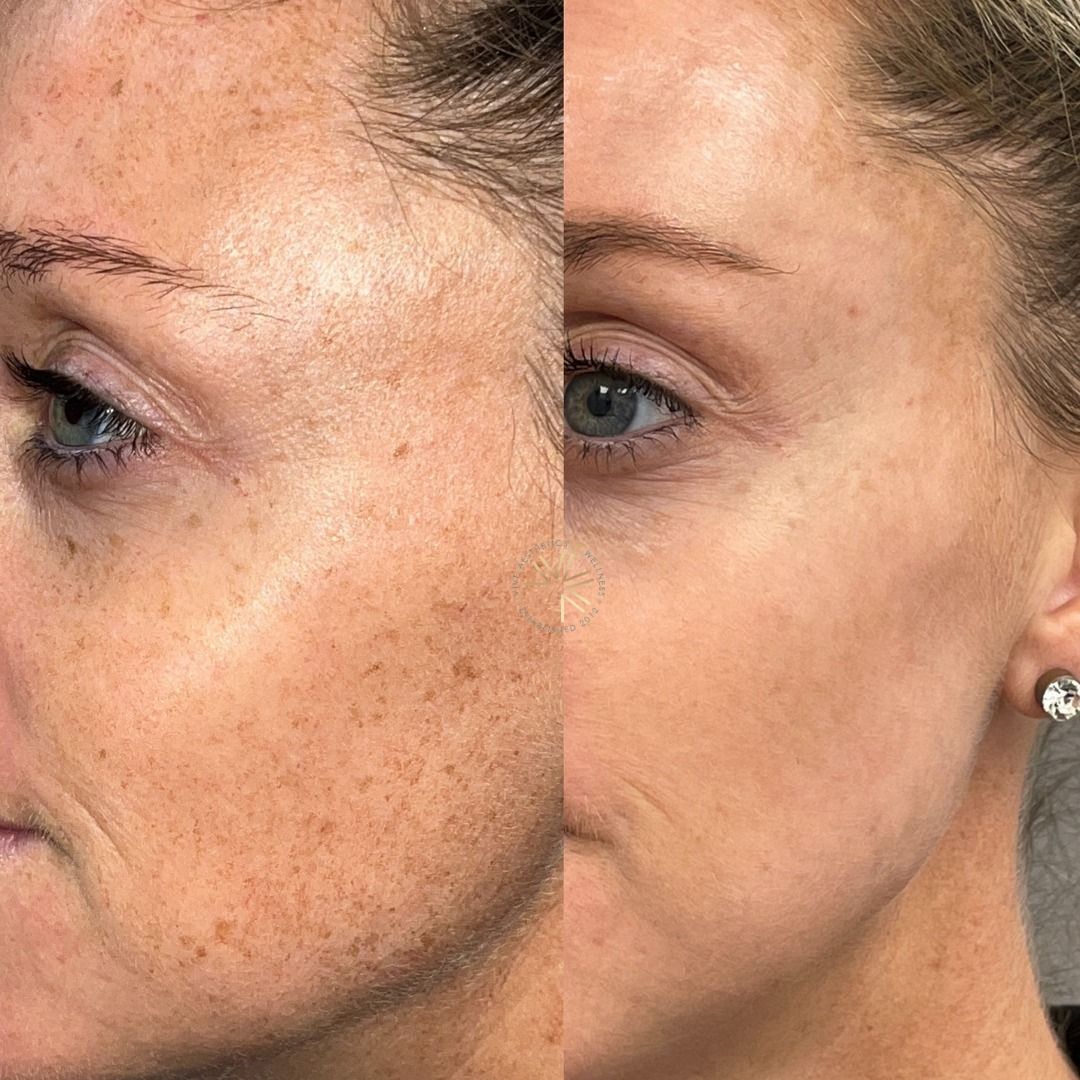
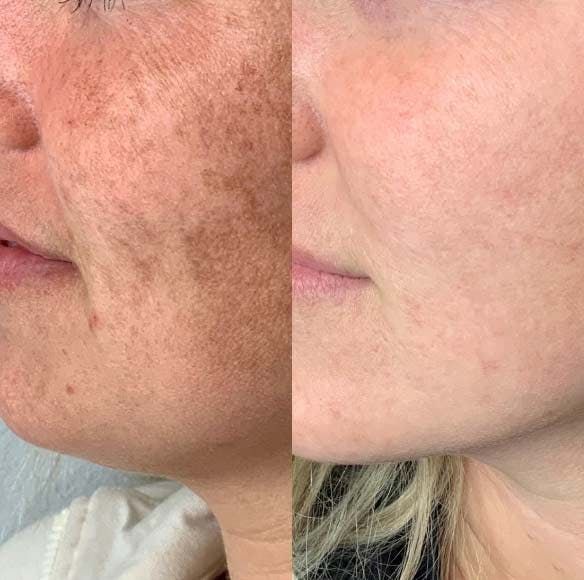
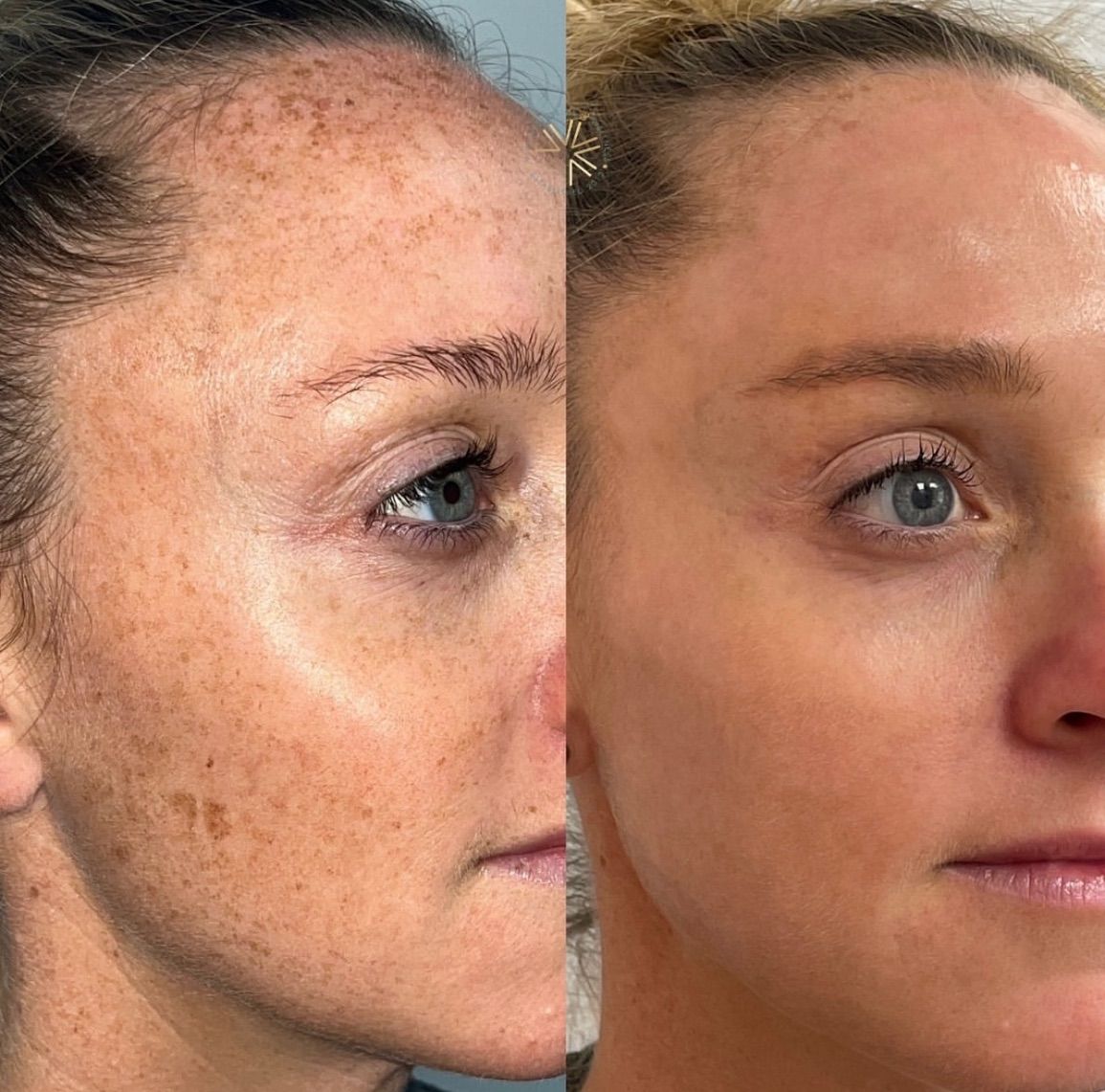
Before & After Gallery

How to Treat Hyperpigmentation Effectively

What Areas Can Be Treated?

There is no single pigmentation treatment that suits every type of pigment or every skin tone. The doctor matches the method to what is causing your pigment and how deep it sits. Chemical peels and PHformula lift pigment from the top layers of skin. IPL photo rejuvenation and hyperpigmentation laser treatment, such as the ClearLift laser, break up pigment so the body can clear it. Frax Pro treats pigment and rough, sun-damaged texture together. For melasma, the doctor may add mesotherapy or a Cosmelan peel, and a brightening facial can keep skin even between sessions. Daily sunscreen is part of every plan.

Chemical Peels

A chemical peel for hyperpigmentation removes the top layers of dull, darker skin so fresher skin can come through. It suits acne marks, mild sun spots and uneven tone on many skin types.

PHformula Skin Resurfacing

A gentle resurfacing treatment made for sensitive and pigment-prone skin. It is often chosen for melasma or darker skin tones, where stronger treatments carry more risk.

ClearLift Laser

A low-heat laser treatment for pigmentation that breaks up pigment with little or no downtime. It can suit a wider range of skin tones than IPL.

IPL Photo Rejuvenation

Pulses of light target brown sun spots and age spots, which darken and then flake away. It works best on light to medium skin, and it is not used for melasma.

Frax Pro Skin Resurfacing

A fractional laser for sun damage that shows as spots, rough texture and fine lines together. It has more downtime than a peel or IPL.

Who Is an Ideal Candidate?

Skin pigmentation treatment in Dubai suits most adults with dark spots, patches or marks that have not faded with sunscreen and skin care alone. The doctor checks your pigment type, skin tone and medical history first, because the wrong treatment can make some pigment darker.

You May Be an Ideal Candidate If You:

Have sun spots or age spots on the face, hands, neck or chest

Have flat brown marks left after acne or a rash

Have melasma and want a long-term plan to manage it

Have uneven tone, hyperpigmentation around the mouth, or body hyperpigmentation such as darker underarms

Can use sunscreen every day and avoid tanning during treatment

This Treatment May Not Be Suitable If You:

Are pregnant or breastfeeding (some peels, lasers and lightening products are avoided)

Have an active skin infection, cold sore, open wound or eczema flare in the area

Have a fresh tan, or took isotretinoin in the last 6 months

Have a spot that is growing, changing shape or bleeding (this needs a mole check first)

Treatment Process at Roxana Aesthetics Clinic

Doctor Consultation and Pigmentation Assessment

Every hyperpigmentation treatment starts with a doctor looking closely at your skin. The doctor works out the type of pigment, how deep it sits and what triggers it, such as sun, hormones or acne. Photos are taken to track progress.

Your Treatment Plan

The doctor explains which treatments suit your pigment and skin tone, and in what order. You will know the likely number of sessions and any downtime. Mixed pigment, such as melasma with sun spots, often needs two or more methods.

Skin Preparation

You may use a sunscreen and a brightening home routine for 2–4 weeks before the first session. This helps results and lowers the risk of new darkening, especially in darker skin.

Your Hyperpigmentation Face Treatment

The chosen treatment is done, such as a peel, IPL or laser. Settings are matched to your skin tone and the area. Afterwards the skin is soothed, and you get simple aftercare advice.

Follow-Up and Maintenance

Sessions are spaced a few weeks apart so the skin can recover and clear pigment. The doctor checks your progress at each visit. Daily sunscreen and an occasional top-up session help keep results.

Roxana Aesthetics Clinic
What to Expect and When

Results Timeline & Longevity

Spots Darken, Then Flake
(Week 1–2)
Mild redness may appear. After IPL or laser, treated spots often look darker for a few days before they flake away. This is normal.
First Fading
(Week 3–4)
Pigmented areas start to look lighter, and skin tone looks more even in daylight.
Clearer Skin
(After 3–6 Sessions)
Pigment is lighter and smaller across the treated area. Texture and brightness often improve too.
Settled Result
(Month 3–6)
Most of the change is visible a few months into the plan. Melasma usually needs gentle care to keep going.
Keeping It Clear
(Long Term)
Results from pigmentation treatment can last a long time with daily sunscreen, but sun, heat and hormones can bring pigment back. Many people book a top-up session once or twice a year. Results vary from person to person.
User-Speak
Consultation

Book a 30-minute consultation for pigmentation treatment in Dubai.

Document-Add
Treatment Plan

Get a plan matched to your pigment type and skin tone.

Magic-Stick
Results

A clearer, more even skin tone that builds over a few sessions.

SATISFIED CLIENTS

TESTIMONIALS FROM OUR BELOVED CLIENTS
AboutPhoto
FAQ's
Discover Everything You Need to Know
What is hyperpigmentation?

Hyperpigmentation is skin that has turned darker in patches because it made too much melanin. It can look like small brown spots, larger patches or a blotchy tone. It is harmless in most cases, but any spot that changes or bleeds should be checked by a doctor.

How do I get rid of hyperpigmentation?

Most hyperpigmentation fades with a mix of daily sunscreen, the right skin care and in-clinic treatment. Peels, IPL and laser speed up fading by removing or breaking up pigment. The key is to treat the right type with the right method, and to stop new pigment forming.

What is the best treatment for hyperpigmentation on the face?

There is no single best treatment, because it depends on your pigment type and skin tone. Sun spots on lighter skin often respond well to IPL. Melasma usually needs gentle peels or PHformula, not strong heat. Acne marks often fade with peels. The doctor will suggest the option that suits your skin.

How does laser treatment for pigmentation work?

Laser energy is absorbed by the pigment, which breaks into tiny pieces that the body clears over a few weeks. Hyperpigmentation laser treatment usually takes several sessions. Settings matter a lot in darker skin, because too much heat can cause new dark patches.

Chemical peel vs laser for hyperpigmentation: which is better?

Neither is better for everyone. They work in different ways. A chemical peel for hyperpigmentation removes pigment from the top layers and suits acne marks, mild spots and many skin tones. Laser and IPL reach pigment a little deeper and often clear sun spots faster. Many plans use both.

Can hyperpigmentation go away on its own?

Some types can, but slowly. Light marks after a spot or rash may fade over 6–12 months with sunscreen. Sun spots and melasma rarely clear on their own, and sun exposure keeps them dark. Treatment speeds up fading for most types.

What is post inflammatory hyperpigmentation?

Post inflammatory hyperpigmentation is a flat dark mark left after the skin has been inflamed, for example by acne, eczema, a burn or picking. It is not a scar, because the skin surface stays smooth. It is more common and lasts longer in medium and darker skin. Peels and gentle laser can help it fade, and treating the acne stops new marks.

What causes hyperpigmentation around the mouth, and how is it treated?

Hyperpigmentation around the mouth often comes from melasma, sun, lip-licking, friction from hair removal, or irritation from products. Hyperpigmentation around mouth treatment starts with finding and stopping the trigger. Gentle peels, PHformula or low-heat laser can then help the skin even out.

Can body hyperpigmentation be treated?

Yes, many areas of the body can be treated. Common areas are the underarms, inner thighs, knees, elbows, neck, chest and hands. Body peels and laser are adjusted for thicker or more sensitive skin. Friction, shaving and tight clothing often need to change too.

Can pigmentation come back after treatment?

Yes, pigmentation can come back, so treatment is not a permanent fix. Sun, heat and hormones are the main triggers, and melasma comes back most often. Daily sunscreen, a hat and a simple routine help keep results, and some people book a yearly top-up.

Medically reviewed by

Dr. Natallia Kaliashuk

Dermatologist · DHA licence 69700032

Last reviewed: December 2025

This page is general information and does not replace a consultation.

Hyperpigmentation Treatment

Prices start from

AED 1050

VAT included

Prices start from AED 1050 and may vary depending on the personalised treatment plan recommended by our aesthetic doctors.

Step into a world of relaxation and rejuvenation

Your health is our priority. Schedule your appointment today to connect with our trusted specialists and receive the care you need.

Partnered with:

Roxana-Aesthetics-Clinic-Partnerships.png
SCHEDULE YOUR PRESENCE
Make an Appointment
