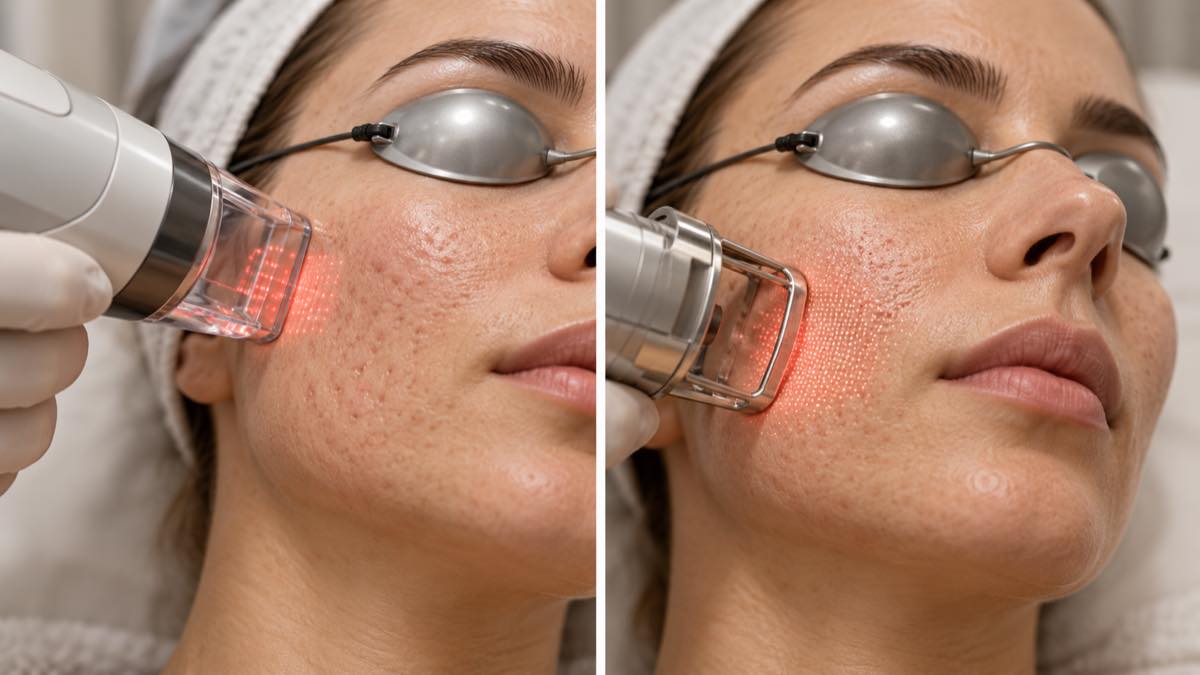

Laser hair removal has become one of the most popular cosmetic treatments worldwide, offering a long-term solution to unwanted hair. Unlike traditional hair removal methods that only address hair at the surface, laser technology targets the root of the problem—the hair follicle itself. Understanding how laser technology works on hair follicles can help individuals make informed decisions about this advanced treatment and set realistic expectations.
Understanding Hair Growth and Hair Follicles
To understand how laser technology works, it is important to first understand hair growth. Each hair grows from a tiny structure in the skin known as a hair follicle. Hair growth occurs in three main phases:
-
Anagen (growth phase) – Hair is actively growing and contains the most pigment
-
Catagen (transition phase) – Hair stops growing and detaches from the blood supply
-
Telogen (resting phase) – Hair eventually falls out and the follicle rests
Laser hair removal is most effective during the anagen phase because the hair follicle is actively producing hair and contains a high amount of pigment. This is why multiple treatment sessions are required—only a percentage of hairs are in the growth phase at any given time.
The Science Behind Laser Technology
Laser hair removal uses concentrated beams of light that are carefully calibrated to target hair pigment, known as melanin. When the laser is applied to the skin, the light energy passes through the surface and is absorbed by the melanin in the hair shaft.
This absorbed energy is then converted into heat. The heat travels down the hair shaft and reaches the hair follicle, where it damages the follicle’s ability to produce new hair. The surrounding skin remains largely unaffected because the laser is designed to selectively target pigmented hair rather than the skin itself.
How Laser Technology Works on Hair Follicles
The key to laser hair removal lies in a process called selective photothermolysis. This advanced mechanism allows the laser to selectively destroy hair follicles without harming nearby tissue.
Here’s how the process works step by step:
-
The laser emits a specific wavelength of light.
-
The pigment in the hair absorbs this light energy.
-
The absorbed light converts into heat.
-
The heat damages the hair follicle, reducing its ability to regrow hair.
Over time and with repeated sessions, the treated follicles become weaker. As a result, hair grows back finer, lighter, and slower. In many cases, hair growth is permanently reduced.
Why Multiple Sessions Are Necessary
One common question is why laser hair removal requires multiple treatments. The answer lies in the hair growth cycle. Since laser technology is most effective on hairs in the anagen phase, only actively growing hairs can be treated during each session.
Because different hairs enter the growth phase at different times, several sessions spaced weeks apart are needed to target as many follicles as possible. Each session builds on the previous one, leading to progressively better results.
The Role of Skin and Hair Color
Laser technology works best when there is a strong contrast between skin tone and hair color. Dark, coarse hair contains more melanin, allowing it to absorb laser energy more effectively. Lighter or finer hair may require additional sessions or advanced laser systems.
Modern laser technologies have evolved significantly and can safely treat a wide range of skin tones. Experienced professionals adjust laser settings to ensure effective treatment while protecting the skin from damage.
Safety and Precision of Laser Technology
One of the biggest advantages of laser hair removal is its precision. The laser can selectively target unwanted hair while leaving surrounding skin untouched. Advanced cooling systems are often built into laser devices to protect the skin and minimize discomfort.
When performed by trained professionals, laser hair removal is considered safe and effective. Temporary redness or mild swelling may occur after treatment, but these effects typically subside within a few hours.
What Happens to the Hair After Treatment?
After laser treatment, the damaged hair does not fall out immediately. Instead, it gradually sheds over the following days or weeks. This shedding process is a sign that the follicle has been effectively treated.
As treatments continue, hair regrowth becomes slower and less noticeable. Over time, many individuals experience long-term hair reduction, making laser hair removal a convenient and lasting solution.
Long-Term Benefits of Targeting Hair Follicles
Because laser technology works directly on hair follicles, the results are significantly longer-lasting than traditional hair removal methods. Shaving and waxing only remove hair temporarily, while laser treatment reduces hair growth at its source.
This leads to smoother skin, fewer ingrown hairs, reduced irritation, and less time spent on regular hair removal. For many people, the long-term benefits outweigh the initial investment in treatment sessions.
Conclusion
Understanding how laser technology works on hair follicles explains why laser hair removal is such an effective solution for unwanted hair. By targeting the pigment in the hair and damaging the follicle at its core, laser treatment offers long-lasting hair reduction with minimal impact on the surrounding skin.
With advancements in laser technology and proper professional care, laser hair removal has become a safe, precise, and reliable option for individuals seeking smoother skin and long-term convenience. A personalized consultation helps ensure optimal results based on skin type, hair type, and treatment goals.