
How to treat hyperpigmentation effectively is a question many people face when trying toachieve even, radiant skin. Hyperpigmentation occurs when certain areas of the skin produce excess melanin, resulting in dark spots, uneven tone, or patches. While it is harmless in most cases, it can affect confidence and overall skin appearance.
The good news is that modern skincare treatments, combined with preventive measures and lifestyle adjustments, make it possible to address hyperpigmentation safely and effectively.
Understanding Hyperpigmentation
Hyperpigmentation can appear in various forms:
- Sunspots (Solar Lentigines): Caused by prolonged sun exposure
- Melasma: Triggered by hormonal changes, often during pregnancy or due to contraceptive use
- Post-Inflammatory Hyperpigmentation: Occurs after acne, eczema, or injury
- Freckles: Small, genetic spots that may darken with sun exposure
Understanding the type and cause of hyperpigmentation is the first step in choosing an effective treatment plan.
Professional Treatments for Hyperpigmentation
Several professional treatments target hyperpigmentation safely and effectively:
1. Chemical Peels
Chemical peels involve applying a solution that gently exfoliates the top layers of the skin, encouraging cell turnover. This helps:
- Reduce the appearance of dark spots and sun damage
- Smooth skin texture
- Stimulate new, healthy skin growth
Different types of peels, such as glycolic acid or TCA peels, can be customized depending on skin type and pigmentation severity.
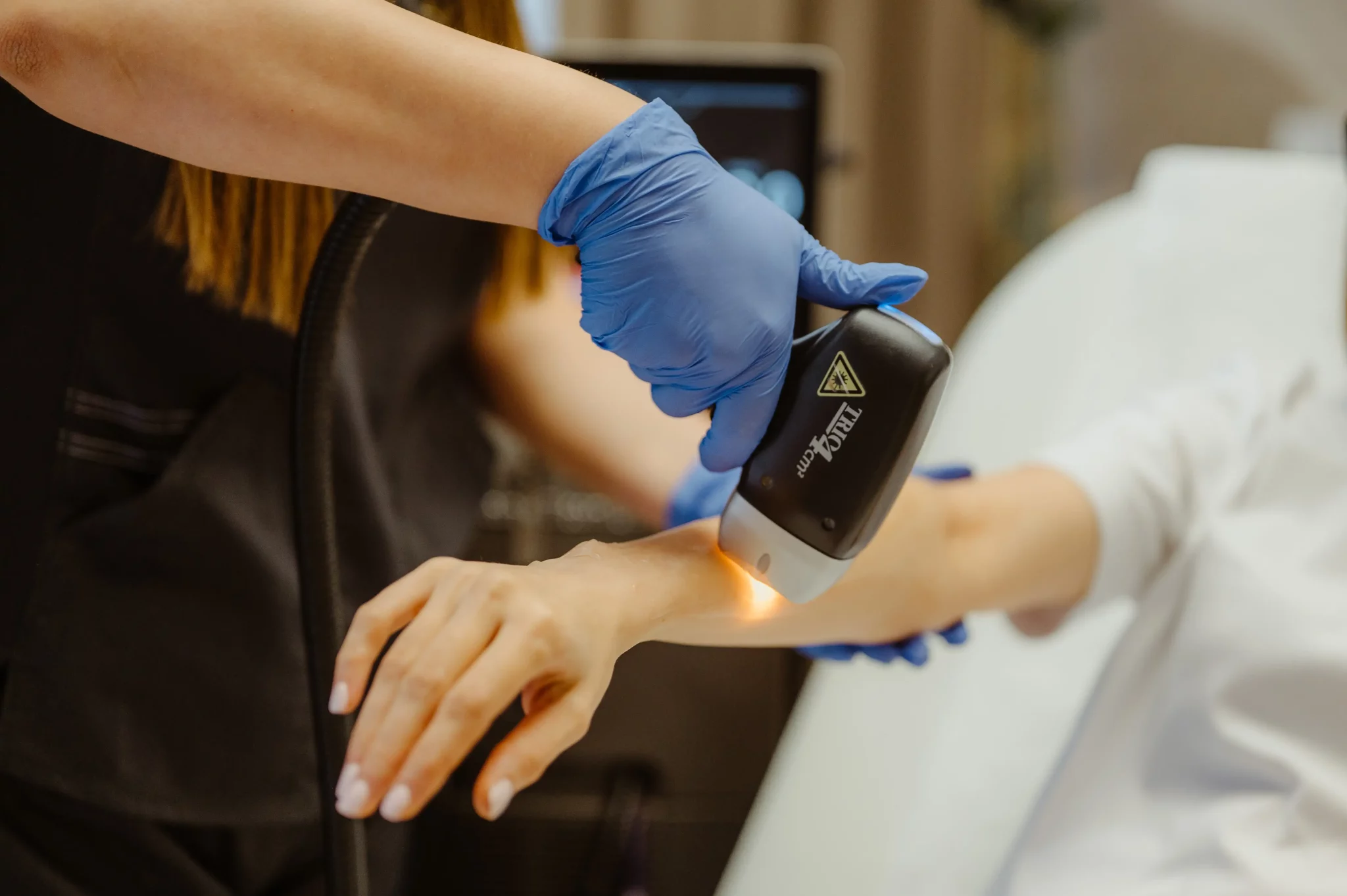
2. Laser Treatments
Laser therapies precisely target pigmented areas without affecting surrounding skin. Benefits include:
- Rapid reduction of stubborn spots
- Improved skin tone and texture
- Long-lasting results with minimal downtime
Laser treatments are highly effective for sunspots, melasma, and post-inflammatory pigmentation.
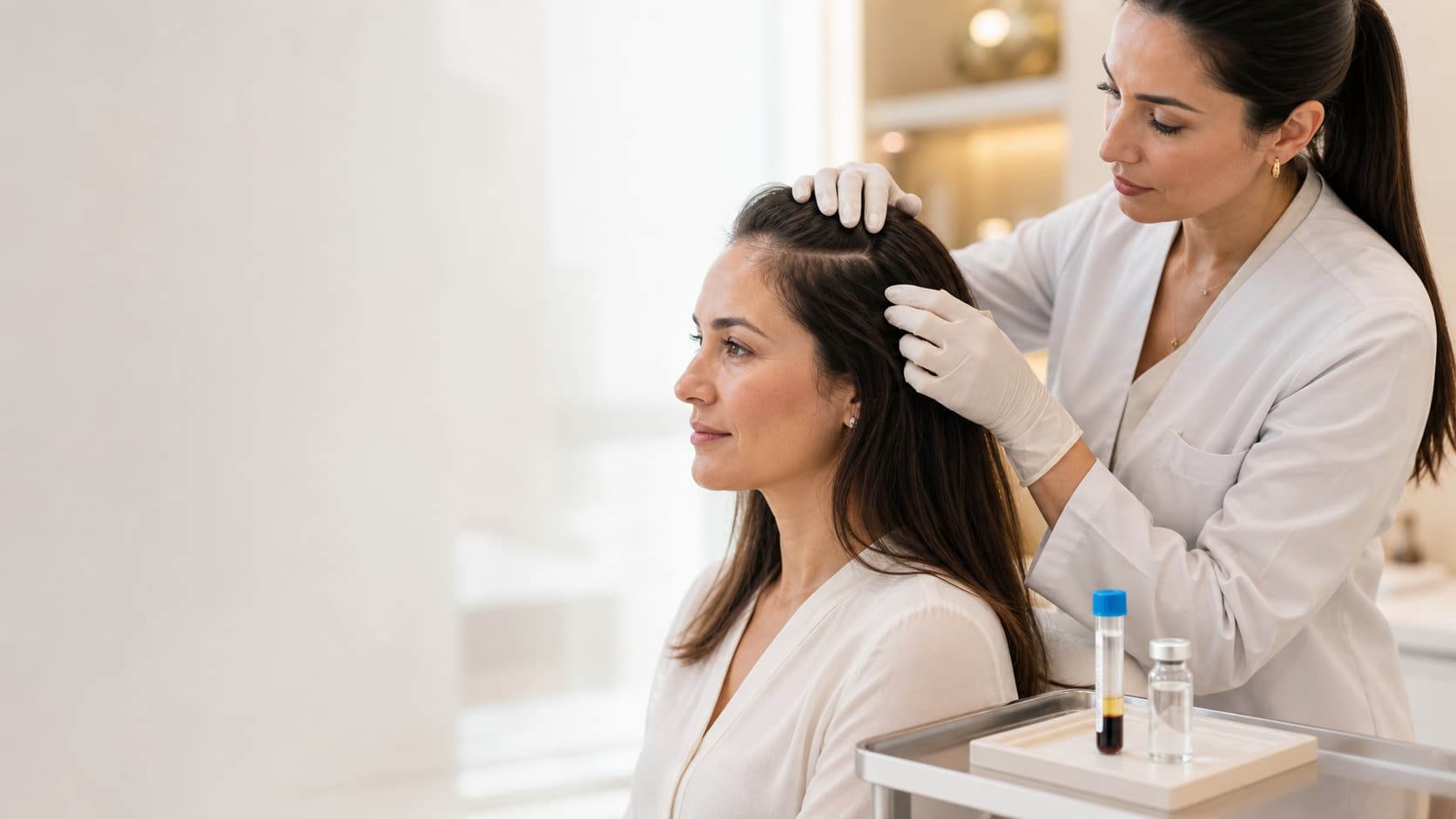
3. Microneedling with PRP or Serums
Microneedling involves tiny, controlled punctures that stimulate collagen production and enhance skin absorption of topical treatments. When combined with:
- PRP (Platelet-Rich Plasma): Accelerates healing and rejuvenates the skin
- Lightening serums: Enhance melanin reduction
This method effectively reduces dark spots while improving overall skin health.
4. Topical Treatments
Medical-grade creams and serums can help fade hyperpigmentation over time. Common ingredients include:
- Vitamin C: Brightens and reduces melanin formation
- Niacinamide: Improves skin tone and barrier function
- Retinoids: Promote cell turnover and reduce dark patches
- Hydroquinone (prescribed): Lightens stubborn pigmentation
Consistency is key with topical treatments, and they often work best in combination with professional procedures.
Preventing Hyperpigmentation
Preventive measures are just as important as treatment in managing hyperpigmentation:
- Daily Sun Protection: Use broad-spectrum sunscreen with SPF 30+ and reapply every 2–3 hours
- Avoid Picking or Scratching: Prevent post-inflammatory pigmentation from acne or injuries
- Use Protective Clothing: Hats, sunglasses, and long sleeves reduce UV exposure
- Follow a Gentle Skincare Routine: Avoid harsh scrubs or products that irritate the skin
Prevention ensures that treatments are more effective and helps maintain long-term results.
Lifestyle Factors That Support Treatment
Supporting your skin from the inside enhances treatment outcomes:
- Healthy Diet: Antioxidant-rich foods like berries, leafy greens, and nuts protect skin from free radical damage
- Hydration: Proper water intake keeps skin supple and promotes healing
- Adequate Sleep: Supports skin regeneration and repair
- Stress Management: Reduces hormonal triggers that can worsen pigmentation, such as melasma
A holistic approach ensures that hyperpigmentation is addressed safely and sustainably.
Choosing the Right Professional Guidance
Consulting with a licensed dermatologist or aesthetic professional is essential for treating hyperpigmentation effectively. They can:
- Identify the type and cause of pigmentation
- Recommend a combination of treatments tailored to your skin
- Monitor progress and adjust protocols as needed
- Provide guidance on home-care and preventive measures
Professional guidance maximizes safety, minimizes side effects, and ensures the best results.
How to treat hyperpigmentation effectively involves a combination of professional treatments, topical solutions, preventive strategies, and healthy lifestyle habits. From chemical peels and laser therapy to targeted serums and sun protection, there are multiple ways to restore an even, radiant complexion.
The key is consistency, patience, and professional guidance. With the right approach, hyperpigmentation can be significantly reduced, giving your skin a healthy, luminous, and confident glow.