Getting a tattoo often marks a memorable chapter in life. Sometimes it celebrates a milestone, represents a meaningful relationship, or simply reflects a personal style at that moment. Years later, however, perspectives can change. Careers evolve, tastes mature, relationships end, or an old design simply no longer feels like part of who you are.
This is why Tattoo Removal Dubai has become one of the most requested aesthetic treatments in recent years. People are no longer asking whether tattoos can be removed—they’re asking how effectively they can disappear and, perhaps most importantly, how long the process will actually take.
One of the biggest misconceptions is that every tattoo disappears after three or four sessions. In reality, there is no universal answer. Every tattoo responds differently because every tattoo is unique. The number of treatments depends on several factors including ink colour, depth, age of the tattoo, skin type, and even where it sits on the body.
Understanding these factors before beginning treatment helps set realistic expectations and ensures you’re prepared for the journey ahead.
Why Tattoo Removal Isn’t Instant
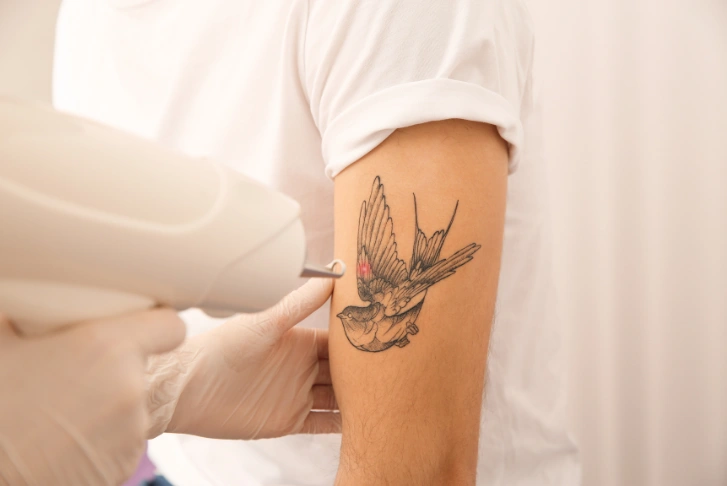
Modern laser technology has transformed tattoo removal dramatically over the last decade. Instead of damaging the surrounding skin, advanced laser systems target tattoo pigments beneath the surface.
The laser emits short bursts of energy that break large ink particles into tiny fragments. Once fragmented, your body’s immune system gradually clears these particles away over the following weeks.
This process explains why tattoos fade progressively rather than disappearing immediately after treatment.
Each session removes another layer of pigment, allowing the tattoo to become lighter over time until very little ink remains.
The body’s natural healing response plays just as important a role as the laser itself, which is why treatments are spaced several weeks apart.
So, How Many Sessions Will You Need?
This is the question every patient asks during consultation, and while no ethical practitioner can promise an exact number, there are realistic averages.
Small, professionally applied black tattoos often require between six and eight sessions.
Older tattoos that have naturally faded over the years sometimes respond more quickly because part of the ink has already broken down.
Large, colourful tattoos usually require anywhere from eight to twelve sessions, and occasionally more if several resistant colours are present.
Cover-up tattoos can be among the most challenging because multiple layers of ink have been deposited into the skin.
Rather than focusing on reaching zero ink immediately, most treatment plans aim for gradual improvement while protecting the surrounding skin. Every appointment builds on the results of the previous one.
The Five Biggest Factors That Affect Your Results
1. Tattoo Colours
Not all tattoo pigments respond equally.
Black ink is generally the easiest colour to remove because it absorbs laser energy efficiently.
Dark blue and dark green often respond well too, although they may require additional treatments.
Colours such as yellow, turquoise, fluorescent shades, and some light greens can be significantly more resistant because they reflect rather than absorb certain laser wavelengths.
Modern laser platforms use multiple wavelengths specifically designed to target different pigments, making it possible to treat a wider range of colours than older technologies.
2. Professional vs Amateur Tattoos
Professional tattoos usually contain dense, deeply placed pigment, which often means more sessions.
Amateur tattoos are frequently more superficial and contain less ink, allowing them to fade faster in many cases.
However, the quality of ink used in amateur tattoos varies considerably, making every case slightly different.
3. Tattoo Age
Time naturally breaks down tattoo pigment.
A tattoo that’s fifteen years old has already undergone years of gradual fading through sun exposure and natural immune activity.
Newer tattoos often appear brighter and more saturated, requiring additional tattoo removal treatment sessions before noticeable fading occurs.
Age alone doesn’t determine success, but it certainly influences the overall treatment timeline.
4. Tattoo Size
A small wrist tattoo obviously requires less treatment than a full sleeve or an extensive back piece.
Larger tattoos contain significantly more pigment, meaning more ink needs to be fragmented and removed by the body.
This doesn’t necessarily mean each session takes much longer, but it often increases the total number of appointments required.
5. Where the Tattoo Is Located
Blood circulation influences healing and pigment removal.
Areas closer to the heart, such as the chest or upper arms, often respond more quickly because circulation supports the body’s natural clearing process.
Tattoos on the hands, fingers, ankles, and feet may fade more slowly due to reduced circulation.
This is one reason why two identical tattoos on different body areas may require completely different treatment plans.
Your Immune System Does More Than You Think
One aspect people rarely consider is that the laser isn’t actually removing the tattoo.
The laser simply breaks apart the pigment.
Your immune system completes the job.
Healthy lifestyle habits—including staying hydrated, exercising regularly, getting sufficient sleep, and avoiding smoking—can all contribute to better healing between sessions.
While these habits won’t dramatically reduce the number of treatments required, they may support more consistent fading throughout the process.
Patients are often surprised to notice their tattoo continues fading several weeks after each appointment because the body is still working long after the laser session has ended.
What Does a Laser Tattoo Removal Session Feel Like?
One of the most common concerns patients have is whether laser tattoo removal is painful. While everyone experiences discomfort differently, most people describe the sensation as similar to the snap of a rubber band against the skin or tiny bursts of heat. The feeling is brief, as each laser pulse lasts only a fraction of a second.
Many modern laser tattoo removal Dubai systems include advanced cooling technology that helps improve comfort during treatment. Depending on the size and location of the tattoo, a session can take anywhere from five minutes for a small design to around 30 minutes for larger pieces.
Immediately after treatment, it’s normal for the area to appear slightly red or swollen. Some patients also notice temporary whitening of the tattoo, which is a normal response to the laser energy. These effects usually settle within a few days.
Why You Need to Wait Between Sessions
A common misconception is that having treatments closer together will speed up the removal process. In reality, the opposite is often true.
After each session, your body needs time to break down and remove the fragmented ink particles. This biological process cannot be rushed, which is why treatments are usually scheduled six to eight weeks apart, depending on your skin’s healing response.
Giving your skin enough time to recover also reduces the risk of irritation while allowing your practitioner to evaluate how the tattoo has responded before adjusting the next treatment.
Patience plays an important role in achieving the best possible outcome.
Can Every Tattoo Be Completely Removed?
Advances in laser technology have made complete removal possible for many tattoos, but it’s important to understand that every case is unique.
Several factors influence the final result, including:
- The colours used in the tattoo
- The depth of the ink
- The quality of the original tattoo
- Your skin type
- Your body’s healing response
- How closely you follow aftercare instructions
Some tattoos fade until they are virtually impossible to notice, while others may leave a faint “ghost” image or minimal residual pigment. During your consultation, an experienced practitioner should explain what is realistically achievable based on your specific tattoo rather than promising complete removal for every patient.
The Importance of Aftercare
Your results don’t depend solely on the laser treatment itself. Proper aftercare has a significant impact on healing and the overall success of your tattoo removal treatment.
Following each appointment, patients are generally advised to:
- Keep the treated area clean and dry.
- Avoid scratching or picking at any scabs or blisters.
- Protect the area from direct sun exposure.
- Apply recommended healing products if advised by your practitioner.
- Avoid swimming pools, hot tubs, and excessive heat until the skin has healed.
Ignoring aftercare instructions can delay healing and increase the likelihood of unwanted skin irritation.
Choosing the Right Clinic Matters
Not every clinic uses the same laser technology or follows the same treatment protocols. Selecting the best tattoo removal clinic Dubai isn’t simply about finding the lowest price—it’s about choosing experienced medical professionals who understand how different skin types and tattoo pigments respond to laser treatment.
A thorough consultation should always include:
- Assessment of your tattoo’s size, colours, and location.
- Evaluation of your skin type.
- An estimated treatment plan.
- A discussion about expected results.
- Potential risks and recovery guidance.
- A personalised aftercare plan.
Every patient’s skin responds differently, which is why a customised treatment approach consistently delivers better outcomes than a one-size-fits-all protocol.
Why Modern Laser Technology Makes a Difference
Laser technology has advanced significantly over the years. Today’s medical-grade systems are designed to deliver energy more precisely, targeting tattoo pigment while minimising the impact on the surrounding skin.
This allows practitioners to treat a wider range of ink colours, improve patient comfort, and reduce recovery time compared to older laser devices.
Although no laser can instantly erase a tattoo, newer systems have made the treatment process safer, more efficient, and more predictable than ever before.
Setting Realistic Expectations
Many patients searching online for how many tattoo removal sessions they need hope to find a simple number. The reality is that successful tattoo removal is a gradual process rather than a quick fix.
Some tattoos begin fading noticeably after the first or second session, while others require several treatments before major changes become visible. Consistency, realistic expectations, and working with experienced practitioners are all key to achieving the best possible result.
Rather than focusing solely on the finish line, it’s helpful to appreciate the steady progress made after each appointment. Every session moves you closer to your goal while giving your skin the time it needs to heal naturally.
Why Choose Roxana Aesthetics?
At Roxana Aesthetics, every laser treatment begins with a personalised consultation because no two tattoos are exactly alike. Our experienced team carefully evaluates your tattoo, skin type, and treatment goals before recommending a customised plan designed to achieve the safest and most effective outcome.
Using advanced laser technology, we focus on delivering gradual, consistent results while prioritising skin health throughout every stage of the process. From your first consultation to your final session, you’ll receive professional guidance, realistic expectations, and comprehensive aftercare support to help you achieve the best possible results.
Whether you’re looking to completely remove an unwanted tattoo or lighten it for a future cover-up, our team is here to guide you with expert care and a personalised treatment approach.
Frequently Asked Questions
How many laser sessions does tattoo removal usually take?
Most tattoos require between 6 and 12 sessions, although the exact number depends on factors such as tattoo size, colours, ink depth, age, and your body’s healing response.
Does laser tattoo removal completely remove every tattoo?
Many tattoos can be removed almost completely, but some may leave a faint shadow or minimal residual pigment. Your practitioner can provide a more accurate assessment during your consultation.
Is laser tattoo removal safe?
Yes. When performed by trained professionals using medical-grade laser technology, laser tattoo removal is considered a safe and effective procedure for most healthy adults.
How long should I wait between treatments?
Most patients wait 6 to 8 weeks between sessions to allow the body enough time to naturally eliminate the fragmented ink particles and for the skin to heal properly.
Can coloured tattoos be removed?
Yes, although some colours respond more slowly than others. Black ink typically clears the fastest, while lighter shades such as yellow, turquoise, and fluorescent pigments may require additional sessions.