When your skin is easily irritated or quick to develop dark marks, the promise of a brighter, smoother complexion can feel slightly risky. You want visible change, but not at the cost of redness that lingers or pigmentation that looks worse before it gets better. That is why the pHformula vs chemical peel question comes up so often in consultations.
Both treatments use acids to encourage renewal. The important difference is not simply that one is “gentle” and the other is “strong.” It is how the acids are delivered, how deeply they work, which formula is chosen and how carefully the treatment is matched to your skin. For sensitive or pigment-prone complexions, that control matters.
What is pHformula skin resurfacing?
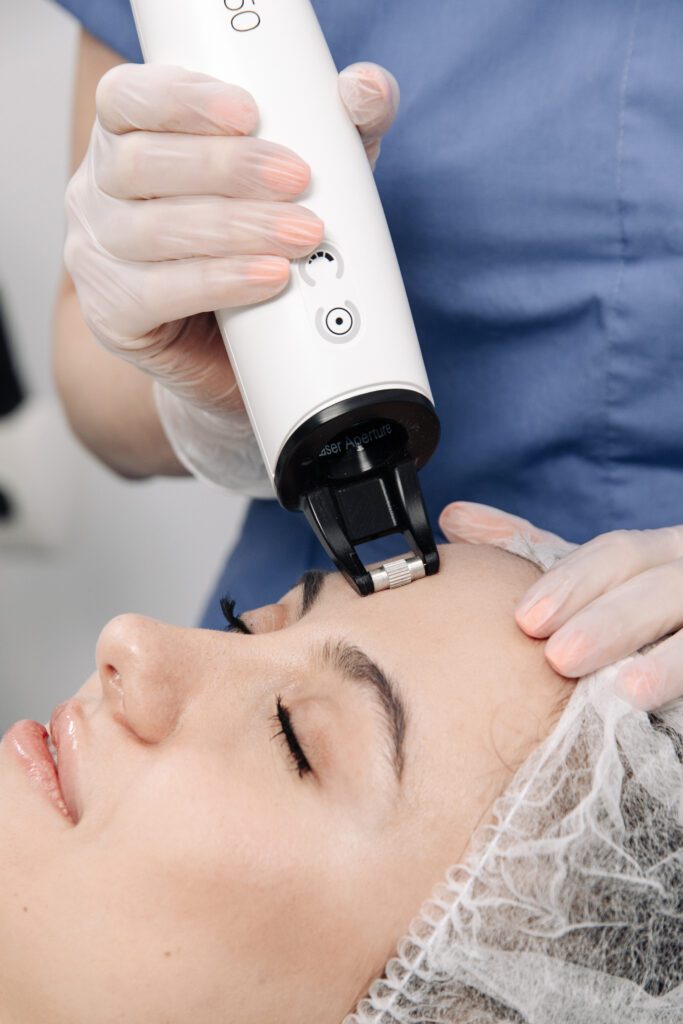
pHformula is described as controlled dermatological skin resurfacing rather than a conventional peel. Its formulas combine exfoliating acids with a delivery complex designed to release active ingredients in a controlled way. Instead of pursuing dramatic shedding, the treatment aims to accelerate cell turnover while limiting unnecessary surface disruption.
Different protocols can be selected for acne-prone skin, uneven pigmentation, visible ageing or persistent redness. The brand’s M.E.L.A. approach targets dark spots, while its C.R. complexes are formulated for redness and skin that may be sensitive or rosacea-prone. At Roxana Aesthetics Clinic, a pHformula treatment in Dubai is personalised after the skin has been assessed rather than chosen from a standard menu.
That does not make pHformula acid-free, nor does it mean every sensitive complexion will tolerate it. It does mean the practitioner can adjust the protocol and layering with a more measured treatment experience in mind.
What does a chemical peel do?
A chemical peel places a selected acid solution on the skin to remove damaged surface cells and stimulate renewal. “Chemical peel” is a broad category. A light glycolic, lactic, mandelic or salicylic peel is very different from a medium-depth TCA peel, both in what it can treat and how much recovery it requires.
A professionally selected chemical peel in Dubai may improve dullness, clogged pores, post-acne marks, uneven texture and some types of superficial pigmentation. Depending on the acid, concentration, contact time and number of layers, downtime can range from little visible flaking to several days of peeling.
The word “peel” can therefore be misleading. A mild peel may be entirely appropriate for some pigment-prone skin, while an aggressive one may create too much inflammation. The name of the treatment tells you less than the exact protocol.
pHformula vs chemical peel: the practical differences
The easiest way to compare the two is to look beyond the acid percentage.
| Consideration | pHformula resurfacing | Traditional chemical peel |
|---|---|---|
| Treatment approach | Controlled delivery and layered resurfacing | Controlled exfoliation at a chosen depth |
| Customisation | Protocols for pigmentation, redness, acne and ageing | Choice of acid, strength, timing and depth |
| Visible peeling | Often mild or minimal, although responses vary | Can range from barely noticeable to marked shedding |
| Downtime | Usually designed to be limited | Depends heavily on peel depth and skin response |
| Sensitive skin | May suit selected reactive skin after assessment | Usually limited to carefully chosen superficial peels |
| Pigment-prone skin | Targeted options are available | Can help, but excess inflammation may trigger new pigment |
Neither column guarantees a result. Your barrier health, current skincare, medications, recent sun exposure and history of pigmentation can change how your skin responds.
Which is better for sensitive skin?
For genuinely sensitive skin, pHformula is often the more considered starting point. Its controlled-delivery concept and redness-focused protocols are intended to reduce the abrupt surface trauma associated with a stronger traditional peel. People who dislike obvious shedding may also find that approach easier to fit around work and social plans.
Still, “sensitive” covers several situations. Skin may feel temporarily sensitised because of over-exfoliation, retinoid use, a damaged barrier or recent sun exposure. It may also be reactive because of eczema, rosacea or another condition. In those cases, the wisest treatment may be no resurfacing at all until the skin is calm.
A superficial lactic or mandelic peel can work well for some people, but only after contraindications have been checked. If your face currently stings when you apply bland moisturiser, that is a sign to pause, not a challenge to find a stronger treatment. Good skin resurfacing for sensitive skin begins with restraint.
Which is better for pigmented or melanin-rich skin?
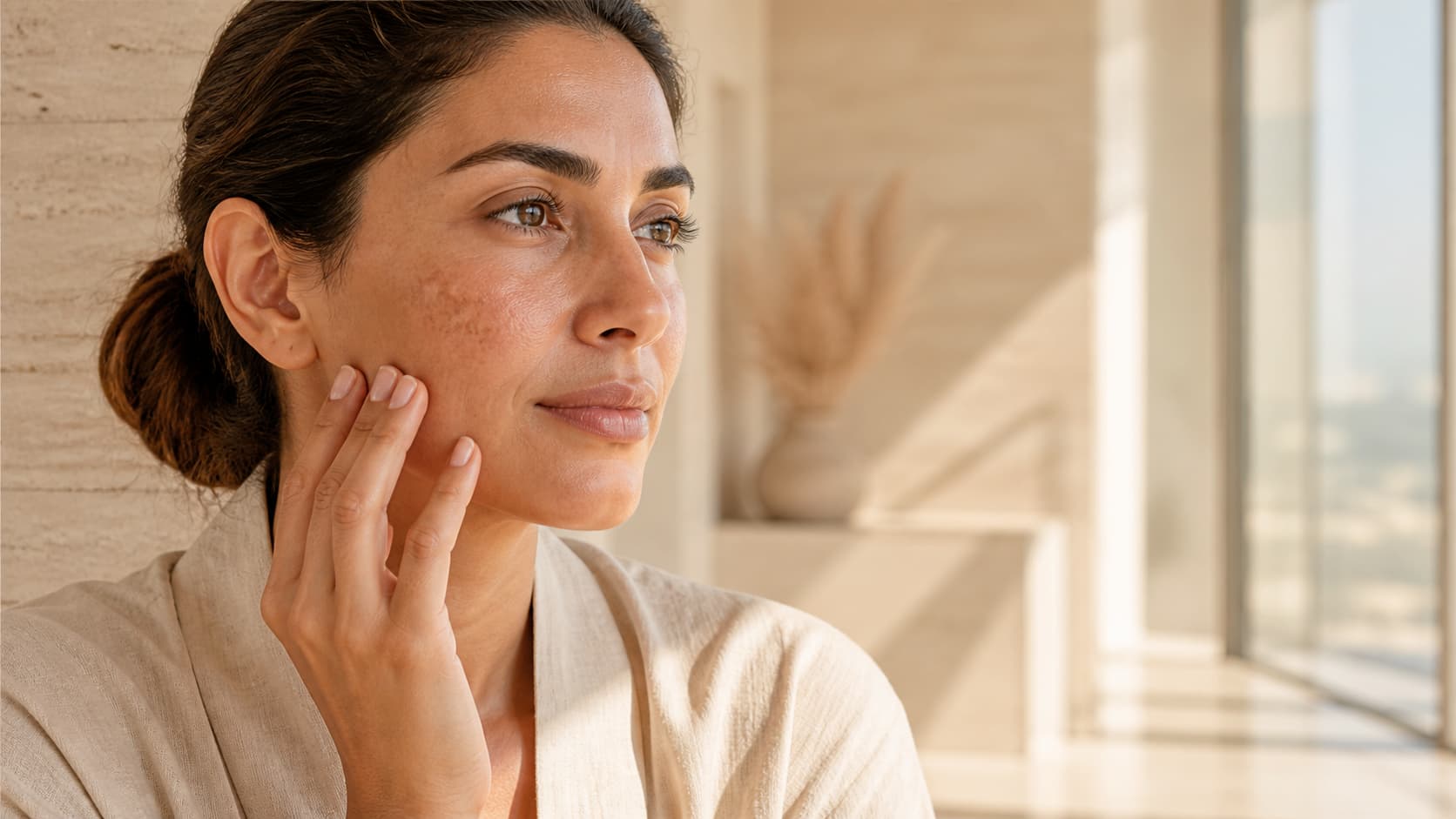
Pigmented skin and darker skin tones are not the same thing, although they can overlap. Pigmentation may include sun spots, melasma or the flat brown marks left after acne. Each behaves differently, so correct identification comes before choosing an acid.
Melanin-rich skin can respond beautifully to resurfacing, but inflammation deserves particular attention. When skin is irritated or injured, it may produce excess pigment during healing, known as post-inflammatory hyperpigmentation. More aggressive treatment is not necessarily faster if it creates a new mark that takes months to fade.
For diffuse uneven tone, recurring post-acne marks or skin that has reacted badly to peels before, pHformula may offer the better balance of gradual renewal and control. Its pigmentation-focused resurfacing options make it a sensible treatment to discuss. A superficial chemical peel may be the stronger choice when the concern is well defined, the skin barrier is stable and the practitioner judges that a particular acid will be more effective.
Melasma needs extra care. Heat, sunlight, hormones and irritation can all influence it, which means resurfacing is usually one part of a longer plan rather than a one-session cure. Roxana’s hyperpigmentation treatment in Dubai starts with assessing the type, depth and likely trigger before a treatment route is recommended.
What results can you realistically expect?
With pHformula, changes tend to build across a course: fresher tone, smoother texture and gradual softening of superficial discolouration. The appeal is progress without chasing a dramatic “peel.” The number and spacing of sessions will depend on your concern and how your skin responds.
A chemical peel may produce a more obvious short-term renewal, particularly when rough texture, congestion or surface sun damage is the main issue. It can also involve more redness, tightness or flaking. Deeper does not automatically mean better, especially where sensitivity or pigmentation is involved.
Neither option can promise to erase deep pigmentation, acne scarring or melasma permanently. New breakouts, ultraviolet exposure and hormonal changes can bring colour back. A credible plan sets expectations early and includes maintenance rather than selling a once-and-done transformation.
How to prepare for resurfacing
Bring an honest list of everything you use, including retinoids, exfoliating toners, acne prescriptions and recent procedures. Mention cold sores, pregnancy, active dermatitis, a tendency to scar and any previous reaction that left your skin darker. Do not hide a recent beach day because you are eager to keep the appointment.
Your practitioner may ask you to pause certain active products before treatment. Follow the individual instructions you receive rather than copying someone else’s routine online. Avoid waxing or harsh scrubs near the treatment date, and arrive with skin that is calm and intact.
Afterwards, keep care deliberately simple. Use the recommended gentle cleanser and moisturiser, apply broad-spectrum sunscreen every morning and avoid picking at flakes. Dubai’s strong year-round UV exposure makes diligent sun protection especially important. Hold retinoids, exfoliating acids and scrubs until your practitioner confirms that the skin is ready.
When a gentler facial may make more sense
Not every dull or uneven complexion needs acid resurfacing immediately. If dehydration, congestion or a stressed barrier is the bigger issue, a lower-intensity treatment may be a smarter first step.
Roxana’s HydraFacial treatment in Dubai combines cleansing, controlled exfoliation, extraction and hydration and may be considered for clients seeking refreshment with no planned downtime. It is not a substitute for targeted pigment treatment, but it can be part of a staged skin plan.
So, which treatment wins?
In the pHformula vs chemical peel comparison, pHformula often has the edge for sensitive, reactive or pigment-prone skin because the treatment is built around controlled delivery, customisation and limited disruption. A traditional superficial peel can be better when the skin is resilient and a specific acid and depth closely match the concern.
The real winner is not a brand or a peel strength. It is the protocol that creates enough renewal to improve the skin without provoking avoidable inflammation.
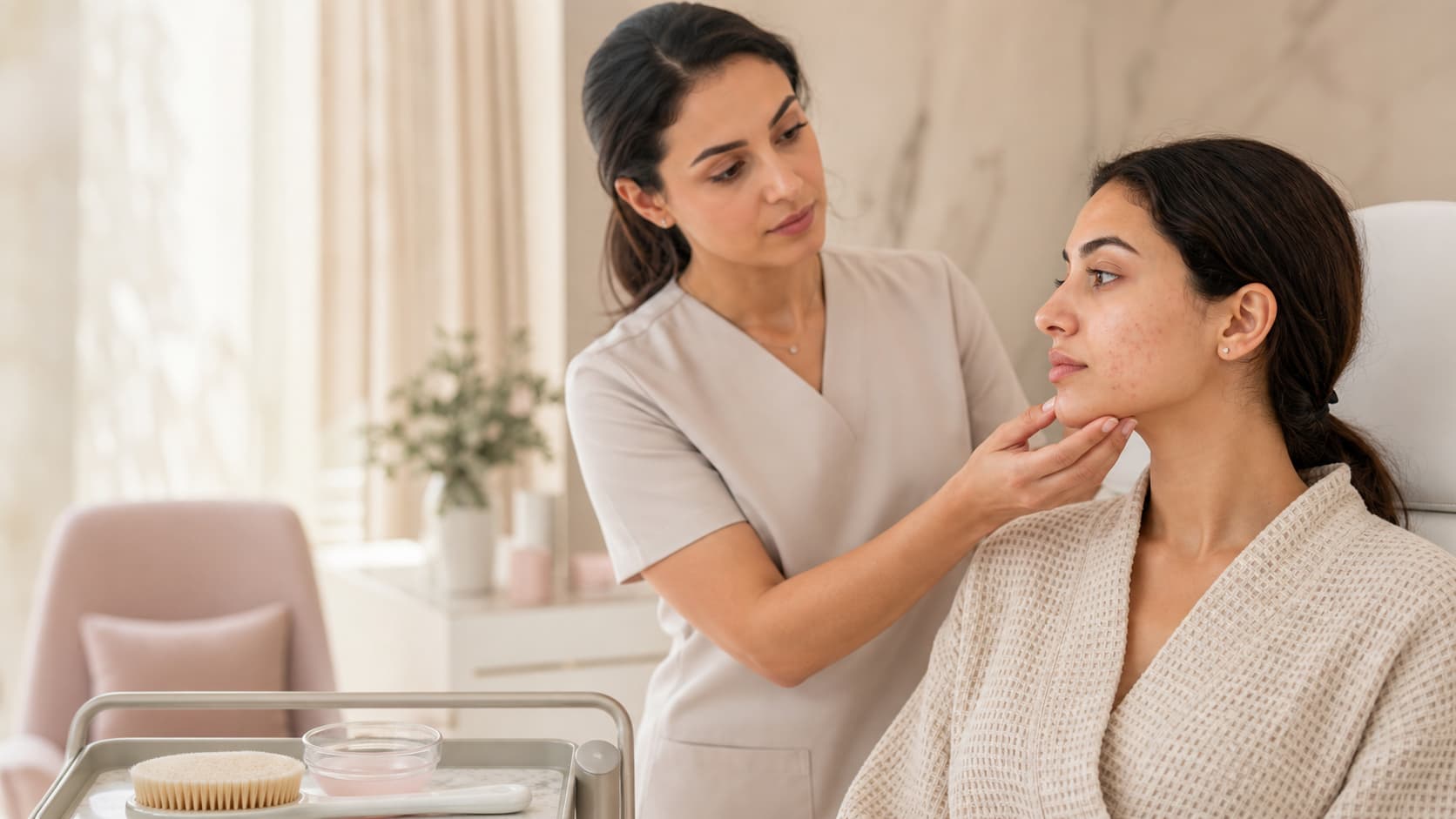
At Roxana Aesthetics Clinic, your consultation is the point where that decision should be made. A specialist can examine your barrier, skin tone, pigmentation pattern and treatment history before recommending pHformula, a carefully selected chemical peel or a gentler alternative.
If you are weighing these options, book a skin assessment rather than guessing from what worked for someone else. Sensitive and pigmented skin can absolutely be resurfaced; it simply deserves a thoughtful pace.