Hyperpigmentation is one of the most common skin concerns—and one of the most misunderstood. Many people try countless creams, home remedies, and trending products, only to see minimal change. The reality is that treating pigmentation requires a clear understanding of its cause, consistency in care, and in many cases, professional support.
If you’ve been searching for a reliable hyperpigmentation treatment, this guide breaks down what truly makes a difference.
What Causes Dark Spots and Hyperpigmentation?
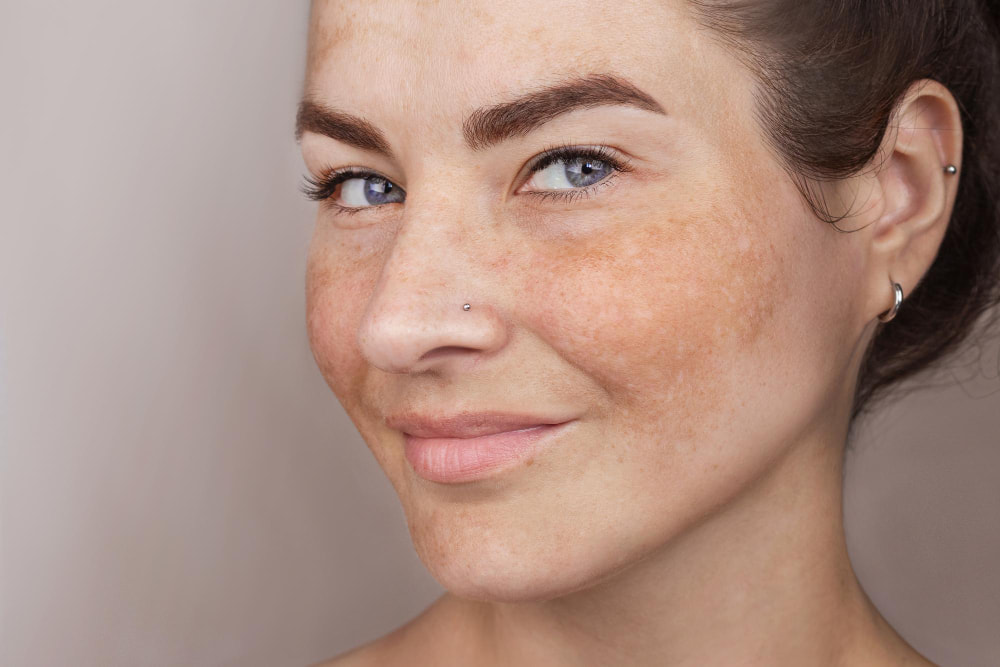
Hyperpigmentation occurs when the skin produces excess melanin, the pigment responsible for color. This can happen for several reasons, and identifying the cause is key to choosing the right approach.
Common triggers include:
- Sun exposure, which stimulates melanin production
- Acne or inflammation, leading to post-inflammatory marks
- Hormonal changes, often seen in melasma
- Aging, which can result in sunspots or age spots
Not all pigmentation is the same. What works for one type may not be effective for another, which is why a personalized approach is essential.
Why Dark Spots Are So Difficult to Treat
Many people expect quick results, but pigmentation sits deeper in the skin than surface-level concerns. Even with the best dark spots removal products, improvement takes time.
There are a few reasons why:
- Melanin can be stored in deeper layers of the skin
- Sun exposure can continuously trigger new pigmentation
- Inconsistent skincare routines slow down progress
This is why most effective treatments focus on both prevention and correction.
Skincare Ingredients That Actually Work
When it comes to how to remove dark spots, not all ingredients are created equal. Some have strong scientific backing and are widely used in dermatology.
1. Vitamin C
A powerful antioxidant that helps brighten the skin and reduce pigmentation over time.
2. Retinoids
These promote skin cell turnover, helping fade dark spots and improve overall texture.
3. Niacinamide
Known for its ability to reduce discoloration and strengthen the skin barrier.
4. Alpha Arbutin
Targets melanin production directly, making it effective for pigmentation concerns.
5. Chemical Exfoliants (AHAs/BHAs)
Help remove dead skin cells, allowing fresher, more even-toned skin to surface.
Consistency is more important than intensity. Using the right ingredients regularly often delivers better outcomes than switching products frequently.
The Role of Sunscreen in Treating Pigmentation
One of the most overlooked aspects of uneven skin tone treatment is sun protection.
Without daily sunscreen:
- Existing pigmentation can become darker
- New spots can develop quickly
- Treatments become less effective
A broad-spectrum SPF should be applied every morning, even on cloudy days. This is not optional—it is foundational to any successful pigmentation removal treatment.
When Skincare Isn’t Enough
While skincare plays a crucial role, it has limitations. Stubborn or deeper pigmentation often requires professional intervention.
If you notice that:
- Dark spots are not fading after months of consistent care
- Pigmentation appears patchy or widespread
- Your skin tone remains uneven despite using active ingredients
It may be time to consider advanced treatments.
Advanced Treatments That Deliver Real Results
Modern aesthetic clinics offer several clinically proven solutions for hyperpigmentation treatment. These treatments target pigment at deeper levels, where topical products cannot reach.
1. Chemical Peels
These exfoliate the outer layers of skin, helping reduce surface pigmentation and improve brightness.
2. Laser Treatments
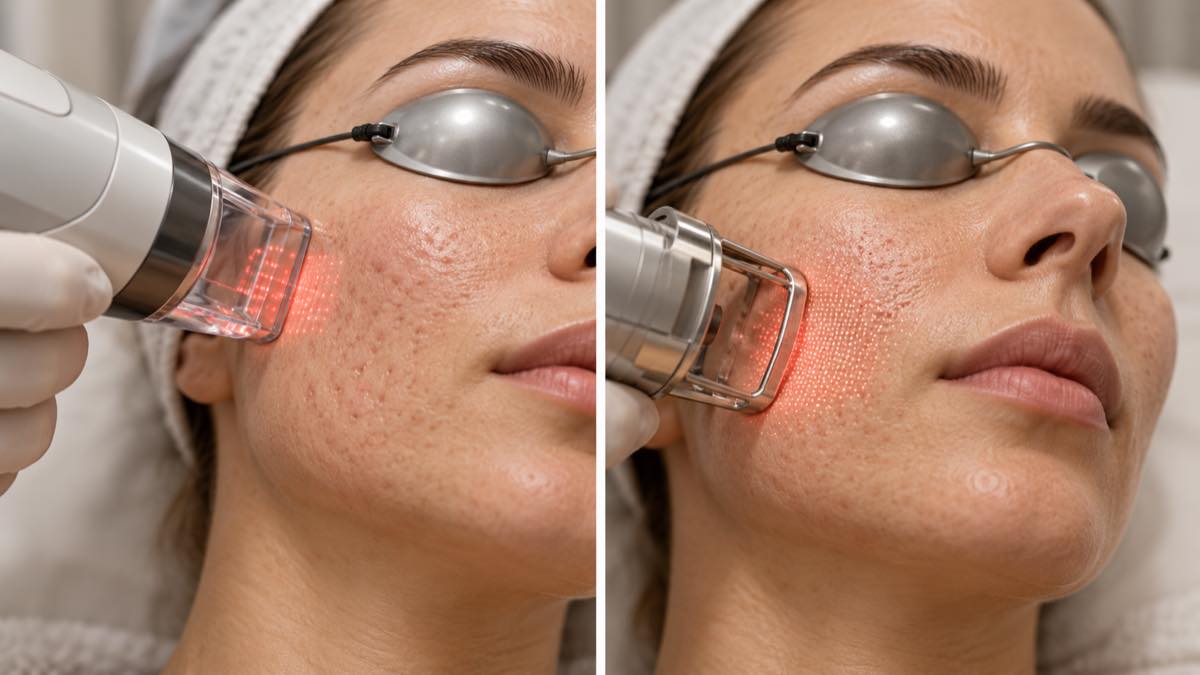
Laser technology breaks down melanin deposits, making it effective for deeper pigmentation concerns.
3. Microneedling with Active Serums
Stimulates collagen while delivering brightening ingredients deeper into the skin.
4. Skin Boosters and Regenerative Treatments
Help improve overall skin quality while gradually reducing uneven tone.
Each treatment is selected based on skin type, pigmentation type, and desired outcomes. A tailored plan ensures safer and more effective results.
How Long Does It Take to See Results?
One of the most common questions around dark spots removal is how quickly results appear.
The answer depends on several factors:
- Type and depth of pigmentation
- Consistency of skincare routine
- Use of sun protection
- Type of professional treatments
In general:
- Mild pigmentation may improve within a few weeks
- Moderate cases can take a few months
- Deeper pigmentation may require multiple sessions
Patience is key. Gradual improvement is more sustainable and safer for the skin.
Common Mistakes That Make Pigmentation Worse
Many people unknowingly slow down their progress or even worsen their pigmentation.
Avoid these common mistakes:
- Skipping sunscreen
- Over-exfoliating the skin
- Picking at acne or blemishes
- Using harsh or unregulated products
A balanced, consistent approach is always more effective than aggressive treatments.
Building the Right Routine for Even Skin Tone
A simple but effective routine can significantly support uneven skin tone treatment.
Morning Routine
- Gentle cleanser
- Vitamin C serum
- Moisturizer
- Broad-spectrum sunscreen
Evening Routine
- Cleanser
- Targeted treatment (retinoid or brightening serum)
- Moisturizer
Adding professional treatments when needed can enhance and accelerate results.
Who Is a Good Candidate for Pigmentation Treatments?
Most people experiencing dark spots can benefit from some form of pigmentation removal treatments, but suitability depends on individual factors.
You may be a good candidate if:
- You have visible dark spots or uneven tone
- Your skin is generally healthy
- You are committed to consistent aftercare
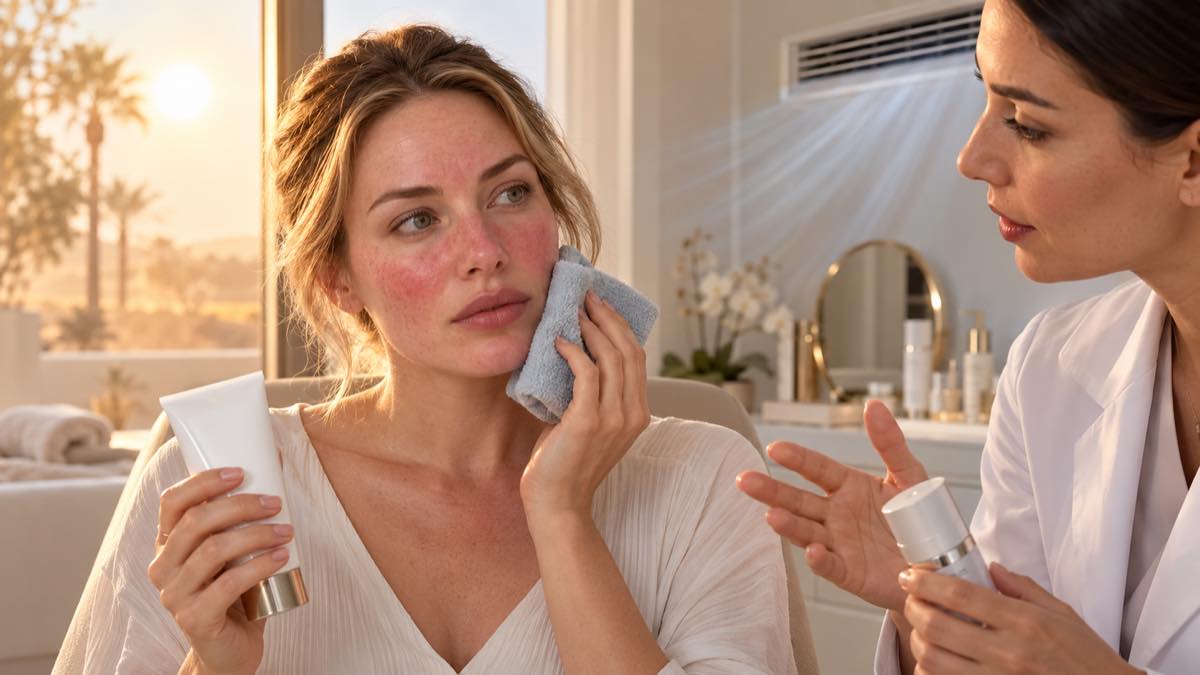
However, some conditions require a more cautious approach, especially for sensitive or reactive skin types. A consultation helps determine the safest path forward.
A More Realistic Approach to Clearer Skin
The idea of completely flawless skin is often unrealistic. However, achieving a more even, brighter, and healthier complexion is absolutely possible.
The key lies in:
- Understanding your skin
- Choosing the right treatments
- Staying consistent over time
Effective hyperpigmentation treatment is not about quick fixes—it is about making informed, sustainable choices that support long-term skin health.
Final Thoughts
Dark spots and hyperpigmentation can feel persistent, but they are not permanent. With the right combination of skincare, sun protection, and professional treatments, noticeable improvement is achievable.
If you’ve been struggling with how to remove dark spots, the most important step is moving away from trial-and-error and toward a structured, personalized approach.
Clearer, more even-looking skin is not about doing more—it is about doing what works.