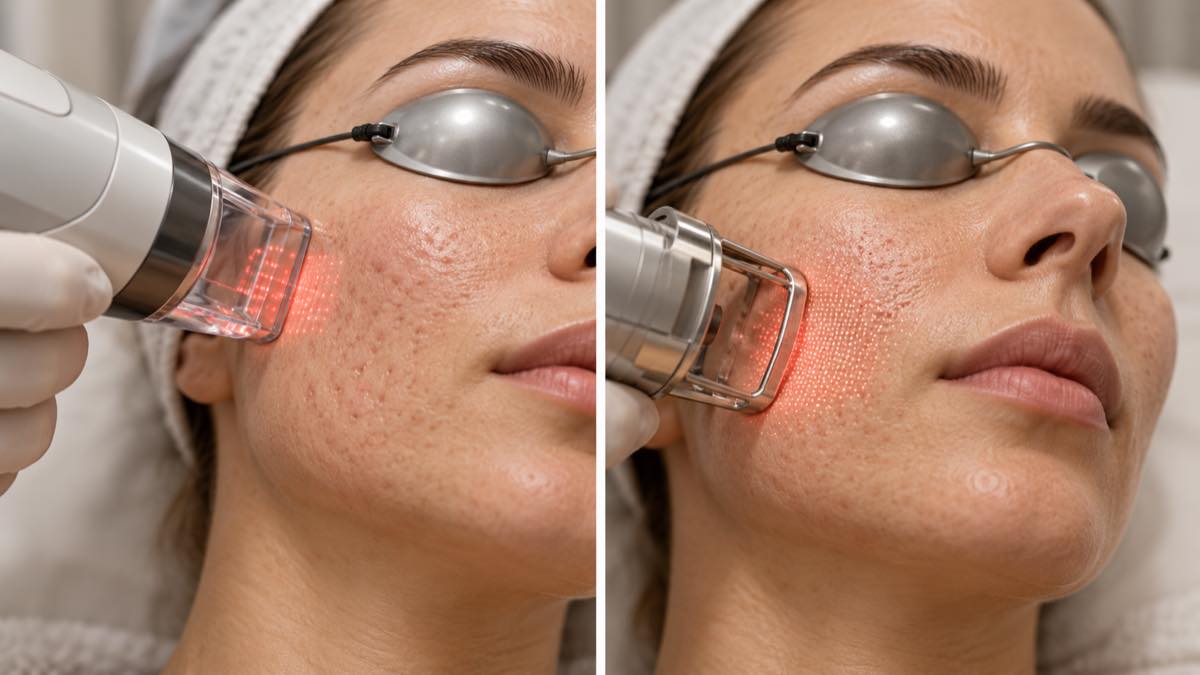
If you have heard people talking about a “salmon DNA facial,” you may have pictured a strange new skincare ingredient being spread across the face. The reality is far more refined. A professional Salmon DNA skin treatment uses carefully purified DNA fragments known as polynucleotides or polydeoxyribonucleotide, usually shortened to PN and PDRN.
These substances are attracting attention because they take a different approach to skin rejuvenation. Rather than adding volume in the way a dermal filler does, a PDRN skin repair treatment is intended to support the biological environment in which the skin repairs and renews itself.
That distinction is important. Salmon DNA is not designed to dramatically alter facial features, and it should not be presented as an instant cure for every sign of ageing. Its appeal lies in gradual improvements to skin quality, including hydration, texture, elasticity and overall resilience.
What Is a PDRN Skin Repair Treatment?
PDRN is made from chains of deoxyribonucleotides, the individual building blocks found in DNA. The material used in aesthetic products is commonly obtained from salmon or trout and then processed through purification procedures designed to remove proteins and other unwanted biological material.
The finished product does not contain living fish cells. Nor can it transfer the genetic characteristics of a salmon to human skin. It consists of purified DNA fragments formulated for medical or aesthetic use.
Polynucleotides and PDRN are closely related, although the names should not always be treated as interchangeable. PDRN generally describes shorter DNA fragments, while PN products may contain longer nucleotide chains. Formulations, concentrations and approved uses can vary between products. A qualified practitioner should therefore explain exactly which product is being recommended rather than relying on the broad “salmon DNA” label.
How Does Salmon DNA Work in the Skin?
The science behind a PDRN skin repair treatment centres on cellular signalling and the skin’s natural repair processes. Research suggests that PDRN can interact with adenosine A2A receptors, which are found on several types of cells involved in tissue repair, including fibroblasts and endothelial cells.
Activation of this pathway has been associated with processes involved in tissue recovery, inflammation regulation and the formation of new blood vessels. PDRN may also provide nucleotides that cells can reuse through what scientists call the salvage pathway. This gives damaged or actively repairing cells access to useful molecular building blocks without requiring them to produce everything from the beginning.
Fibroblasts are especially relevant to aesthetic medicine because they help produce collagen and other components of the extracellular matrix. These structures give the skin much of its firmness and support. By encouraging a healthier repair environment, PDRN and polynucleotides may gradually improve how the skin looks and feels.
However, laboratory mechanisms do not automatically guarantee identical results in every patient. Age, sun exposure, lifestyle, skin condition, treatment technique and the formulation used can all affect the outcome.
What Are the Potential PDRN Treatment Benefits?
The most frequently discussed PDRN treatment benefits involve skin quality rather than facial reshaping. Patients often choose the treatment when their skin looks dehydrated, tired, crepey or less elastic than it once did.
Potential improvements may include better hydration, smoother texture and a fresher appearance. Some patients also pursue treatment for fine lines, mild textural irregularities or delicate areas where adding noticeable volume would not be desirable.
Polynucleotides can bind water within the tissue, which may contribute to a more supple appearance. Their proposed effect on fibroblast activity and the extracellular matrix may also support gradual changes in elasticity and firmness. This is why polynucleotide skin rejuvenation is frequently described as regenerative rather than corrective.
Results are generally subtle and progressive. The aim is not to make the face look filled or frozen. It is to help the skin appear healthier, more rested and better hydrated while preserving normal expression and facial character.
What Does the Clinical Evidence Say?
There is genuine scientific interest in PDRN, particularly in relation to wound healing and tissue repair. Research has explored its influence on adenosine receptors, inflammation, vascular growth factors and fibroblast activity.
The evidence for cosmetic rejuvenation is promising but still developing. A 2025 systematic review identified nine studies involving 219 patients. The studies reported encouraging changes in wrinkles, texture and elasticity, with side effects generally described as mild and temporary. However, the reviewers rated the available research as low to moderate quality and called for larger, more rigorous studies.
This means that PDRN treatment benefits should be discussed with balance. There is a plausible biological mechanism and a growing body of clinical experience, but the evidence is not strong enough to promise a particular result to every patient. Responsible treatment planning should be based on realistic expectations rather than social-media transformations.
How Are Regenerative Skin Injections Performed?
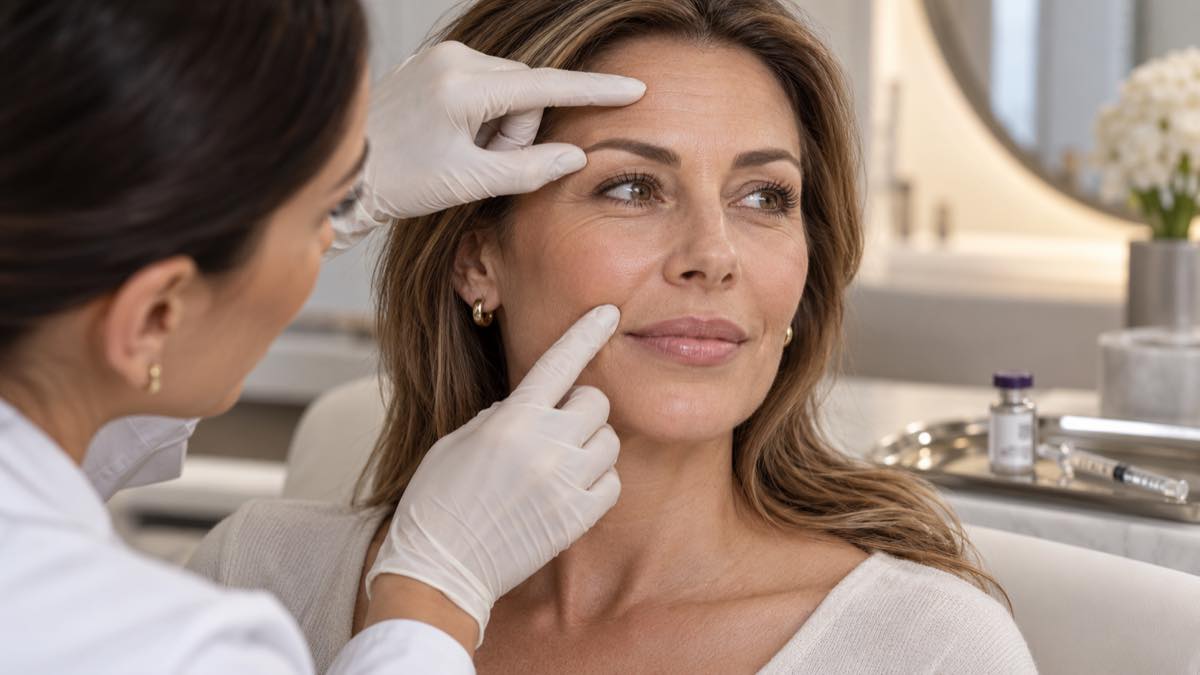
Depending on the product and treatment plan, regenerative skin injections may be placed into targeted areas using a series of small injections. Some products may also be incorporated into other professionally delivered protocols, but the route of administration must be suitable for the specific formulation.
Before treatment, the practitioner should assess the skin, discuss the patient’s medical history and identify the concerns being treated. The skin is cleansed, and a topical numbing product may be used where appropriate. Small amounts of product are then distributed across the selected area.
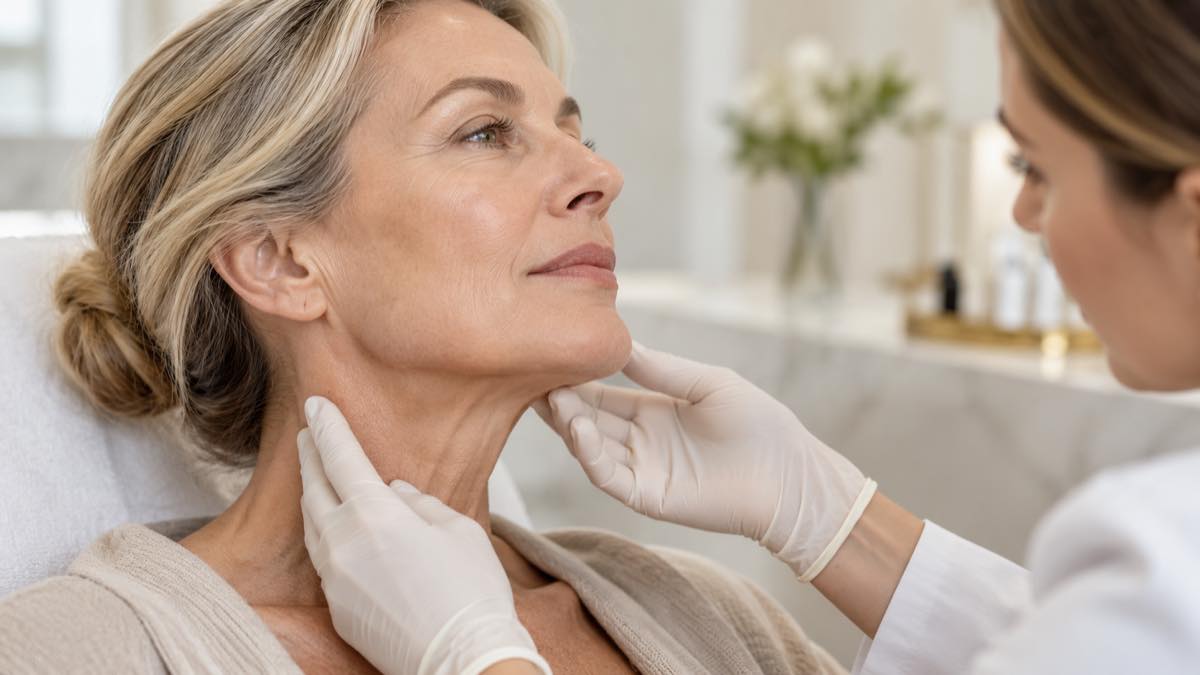
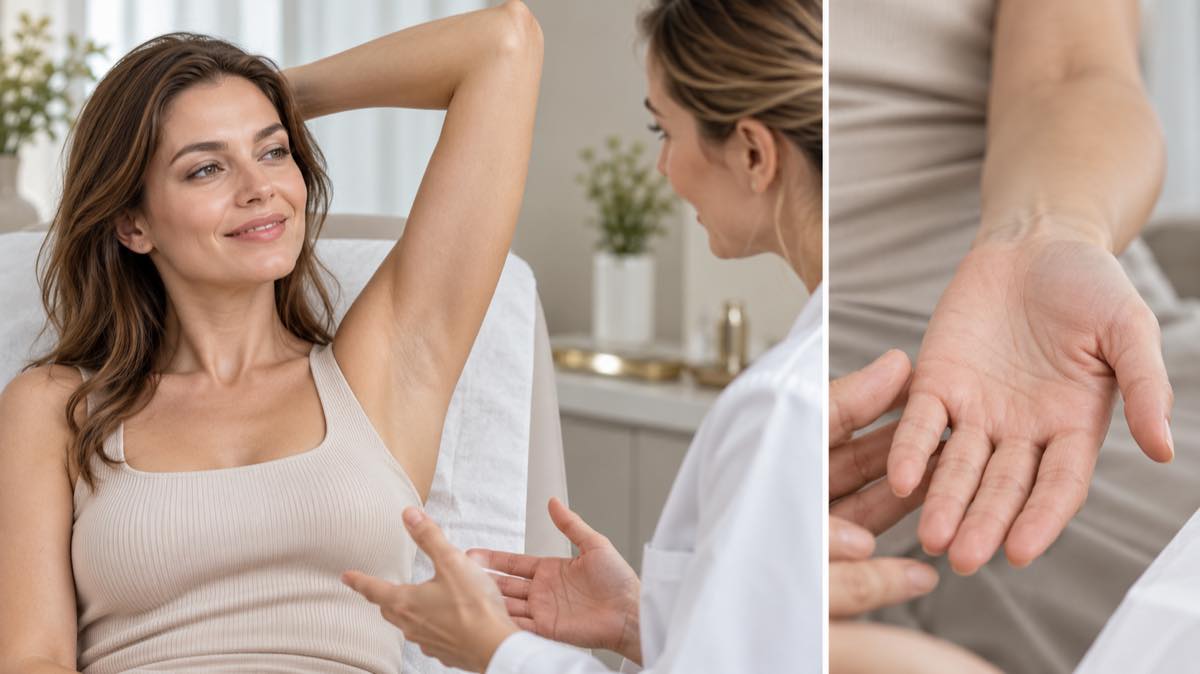
The face is a common treatment area, but the neck, décolletage, hands and delicate under-eye region may also be considered. Suitability depends on the product, the patient’s anatomy and the practitioner’s assessment.
Appointments are usually relatively short, although consultation, preparation and aftercare guidance all form part of a safe treatment experience.
What Should You Expect Afterwards?
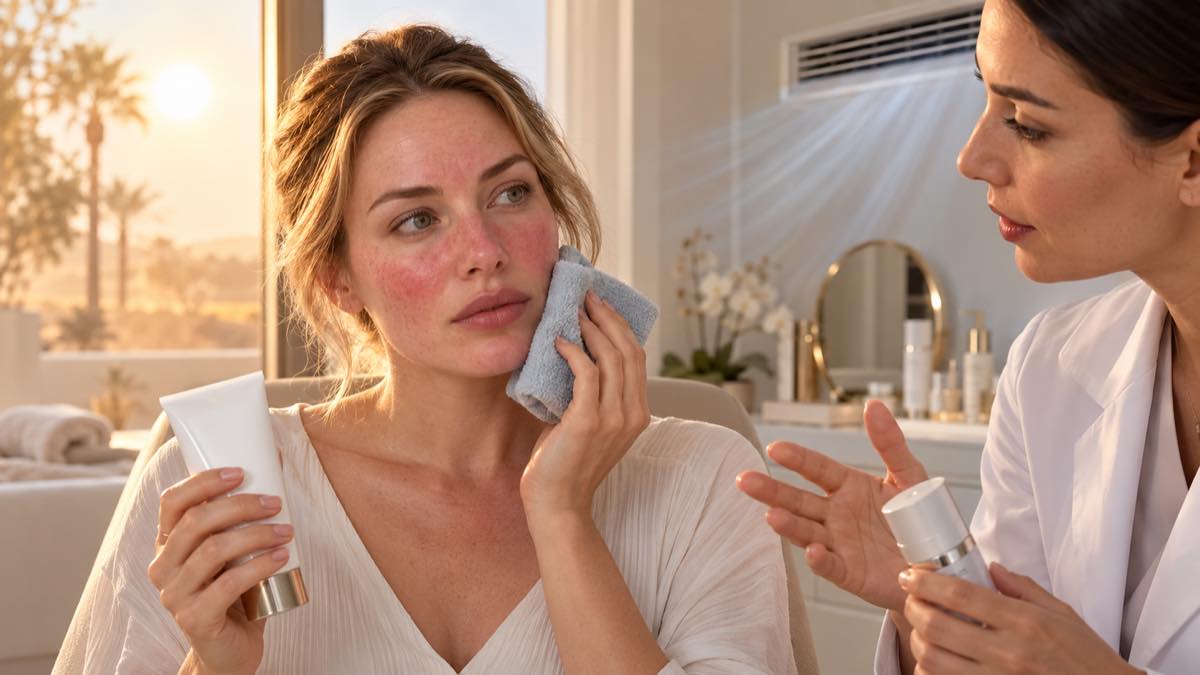
Temporary redness, tenderness, swelling, bruising or small raised bumps can appear after treatment. These effects often settle within several hours or days, although recovery differs from person to person.
Patients are normally advised not to press or rub the treated area unless specifically instructed. Strenuous exercise, saunas, excessive heat, swimming and alcohol may need to be avoided for a short period. Gentle skincare and daily broad-spectrum sunscreen are particularly important while the skin settles.
Because regenerative treatments work gradually, the final outcome should not be judged immediately. Early hydration may become noticeable before changes associated with collagen support or skin remodelling. A practitioner may recommend a course of sessions followed by maintenance, but the schedule should be personalised rather than assumed.
How Does Salmon DNA Differ From Dermal Filler?
Dermal filler and polynucleotide skin rejuvenation can both improve the appearance of the face, but they have different purposes.
Hyaluronic acid filler is generally used to restore volume, enhance contours or support particular facial features. Its effect is related partly to the structure and volume of the injected gel. Salmon DNA and polynucleotide products are used primarily to improve the condition of the skin rather than build or reshape facial contours.
A person concerned about volume loss in the cheeks may benefit more from filler or another structural treatment. Someone whose main concerns are dehydration, fine texture and general skin quality may be better suited to a skin-repair approach. In some cases, treatments can be combined as part of a carefully staged plan.
A consultation helps avoid expecting one procedure to perform a job for which it was not designed.
Who May Be Suitable for Salmon DNA Treatment?
A Salmon DNA skin treatment may be considered by adults who want gradual improvement without a pronounced change in facial volume. It may be especially appealing to people concerned about dullness, dehydration, early fine lines, reduced elasticity or thin-looking skin.
Treatment may not be appropriate during pregnancy or breastfeeding, in the presence of an active infection, or for patients with certain medical conditions. People with known fish allergies should disclose them, even though medical-grade products undergo purification. Any history of significant allergies, immune disorders, bleeding problems or reactions to injectable treatments must also be discussed.
Product suitability and regulatory status differ between countries and formulations. Patients should ask what is being used, where it was sourced and whether it is authorised for the proposed method of treatment.
Is PDRN the Future of Regenerative Aesthetics?
PDRN is part of a broader shift towards treatments that focus on skin function and quality. Many patients no longer want a visibly “done” result. They want their skin to look healthier while retaining their natural features, expressions and proportions.
That is where a PDRN skin repair treatment may have a valuable role. It offers an option for people who are interested in progressive, biologically focused rejuvenation rather than immediate structural alteration.
Still, the best results do not come from following trends in isolation. They come from matching the right product and technique to the condition of the skin. Salmon DNA cannot replace sun protection, consistent home care or treatments designed for significant pigmentation, scarring, laxity or volume loss.
At Roxana Aesthetics, treatment begins with a professional assessment of the skin, medical history and desired outcome. This allows the practitioner to determine whether Salmon DNA, Rejuran, another skin booster or a different treatment approach is most appropriate.
If you are curious about regenerative skincare, schedule a consultation with Roxana Aesthetics. A personalised assessment can help you understand what the treatment may realistically achieve and whether it belongs in your long-term skin plan.
This article is intended for general education and does not replace personalised medical advice.