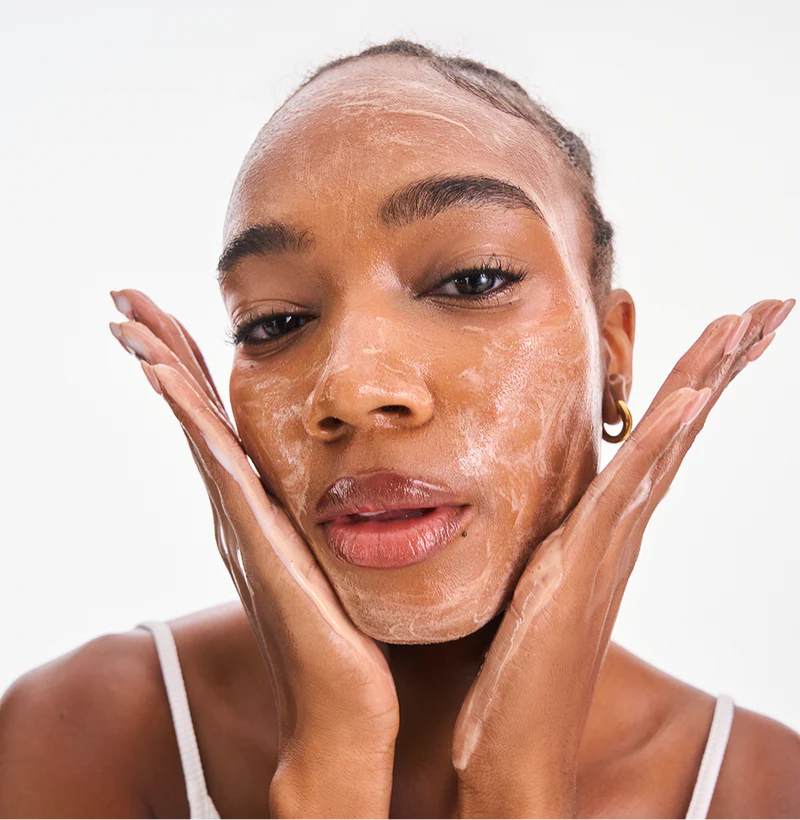
Exfoliation is often promoted as a key step in achieving smooth, glowing skin. While exfoliating helps remove dead skin cells and improves texture, doing it too often—or incorrectly—can cause more harm than good. So, can you over-exfoliate your skin? The answer is yes, and it’s more common than many people realize.
What Is Exfoliation and Why Is It Important?
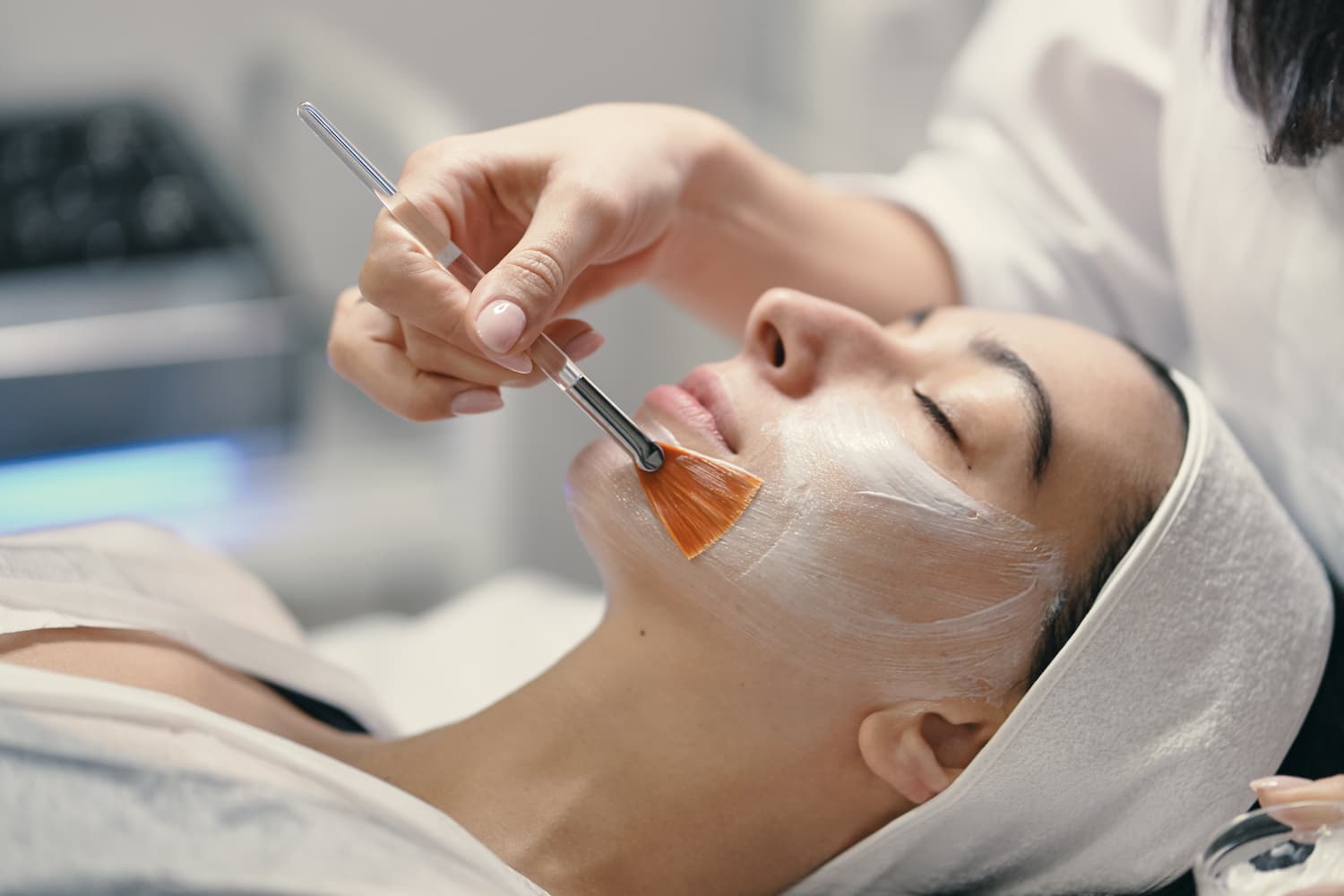
Exfoliation removes dead cells from the surface of the skin, allowing fresh skin cells to emerge. It helps unclog pores, improve product absorption, and enhance overall skin radiance. Exfoliation can be done physically, using scrubs or brushes, or chemically, using acids and active ingredients.
When done in moderation and suited to your skin type, exfoliation is beneficial. However, excessive exfoliation can damage the skin’s natural protective barrier.
Signs You Are Over-Exfoliating
Over-exfoliation often shows clear warning signs. Common symptoms include persistent redness, burning or stinging sensations, increased sensitivity, dryness, tightness, and flaky patches. Some people also experience sudden breakouts, inflammation, or shiny, thin-looking skin.
In severe cases, the skin barrier becomes compromised, making the skin more prone to infections, pigmentation, and premature aging.
Why Over-Exfoliation Is Harmful
Your skin barrier plays a crucial role in retaining moisture and protecting against environmental damage. Over-exfoliating strips away essential lipids, weakens the barrier, and disrupts the skin’s natural balance. This can lead to chronic irritation, dehydration, and delayed healing.
Using multiple exfoliating products at once—such as scrubs combined with chemical exfoliants or retinoids—is a common cause of skin damage.
How to Exfoliate Safely
Safe exfoliation depends on your skin type and concerns. Most people only need exfoliation one to two times per week. Sensitive or dry skin types may need even less. Choosing gentle formulations and avoiding harsh scrubs is key.
Dermatologists often recommend ingredients like mild alpha hydroxy acids, polyhydroxy acids, or enzyme-based exfoliants for controlled and effective exfoliation. Always follow exfoliation with a soothing moisturizer and broad-spectrum sunscreen.
What to Do If You’ve Over-Exfoliated
If you suspect over-exfoliation, stop all active products immediately. Focus on barrier repair by using gentle cleansers, hydrating serums, and barrier-strengthening moisturizers. Avoid exfoliants, retinoids, and strong actives until your skin has fully recovered.
If irritation persists or worsens, consulting a dermatologist is essential. Professional guidance can prevent long-term damage and help restore skin health safely.
Expert Advice: Less Is More
Healthy skin doesn’t require aggressive exfoliation. Consistency, patience, and personalized skincare routines deliver better results than frequent treatments. Professional treatments and expert advice ensure exfoliation is done safely and effectively—without compromising your skin barrier.