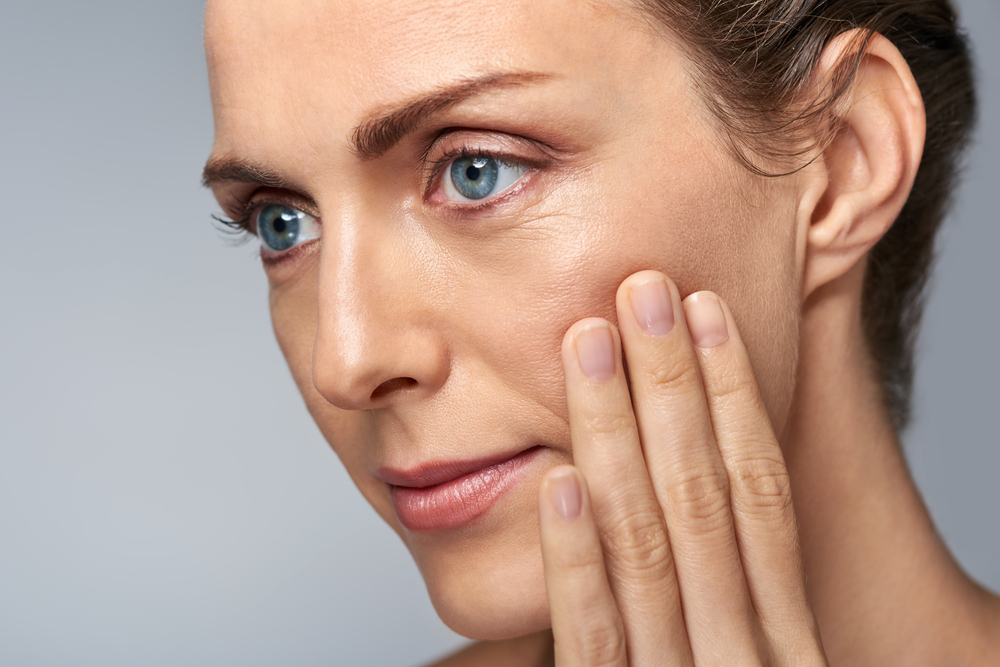
Aging is a natural process, but when it comes to skin, many people wonder if aging can actually be reversed—or if we can only slow it down. With the rise of advanced dermatological treatments and skincare science, the line between prevention and reversal has become less clear. So what does dermatology really say about reversing skin aging?
Understanding How Skin Ages
Skin aging happens due to a combination of intrinsic (natural) and extrinsic (environmental) factors. Intrinsic aging is driven by genetics and time, leading to gradual thinning of the skin, reduced collagen production, and slower cell turnover. Extrinsic aging, on the other hand, is caused by external factors such as sun exposure, pollution, smoking, stress, and poor skincare habits.
While intrinsic aging cannot be stopped, extrinsic aging is largely preventable and treatable, which is where dermatology plays a key role.
Can Skin Aging Be Reversed?
From a medical standpoint, dermatologists agree that true reversal of aging at a cellular level isn’t possible. However, many visible signs of aging—such as fine lines, wrinkles, uneven skin tone, pigmentation, dullness, and loss of firmness—can be significantly improved. In some cases, skin can appear healthier and more youthful than it did years before, which feels like reversal to patients.
What Dermatology Can Do
Modern dermatology focuses on skin regeneration, collagen stimulation, and cellular repair. Clinically proven treatments work by encouraging the skin to behave like younger skin again. These approaches don’t stop time, but they can dramatically improve skin quality.
Professional treatments may help:
-
Boost collagen and elastin production
-
Improve skin texture and tone
-
Reduce pigmentation and sun damage
-
Minimize fine lines and wrinkles
-
Restore hydration and skin barrier strength
When combined with medical-grade skincare, results are more consistent and long-lasting.
The Role of Skincare and Lifestyle
Dermatologists emphasize that in-clinic treatments alone are not enough. Daily skincare and lifestyle choices have a major impact on how well the skin ages.
Key dermatologist-recommended habits include:
-
Daily sun protection to prevent further damage
-
Using ingredients that support skin renewal and repair
-
Maintaining hydration and a balanced diet
-
Managing stress and getting adequate sleep
Consistency is essential. Skin responds best when care is maintained over time rather than through one-time treatments.
Realistic Expectations Matter
One of the most important things dermatology stresses is realistic expectations. Skin can look firmer, smoother, brighter, and more even—but it will still age naturally. The goal is not to erase age, but to age well, maintaining healthy, resilient skin at every stage of life.
The Bottom Line
You can’t completely reverse skin aging, but dermatology can visibly and effectively restore many signs of damage and premature aging. With the right combination of professional treatments, medical guidance, and daily care, skin can look noticeably younger, healthier, and more vibrant for years to come.
If you’re concerned about skin aging, a consultation with a qualified dermatologist is the best way to understand what your skin truly needs and how to treat it safely and effectively.