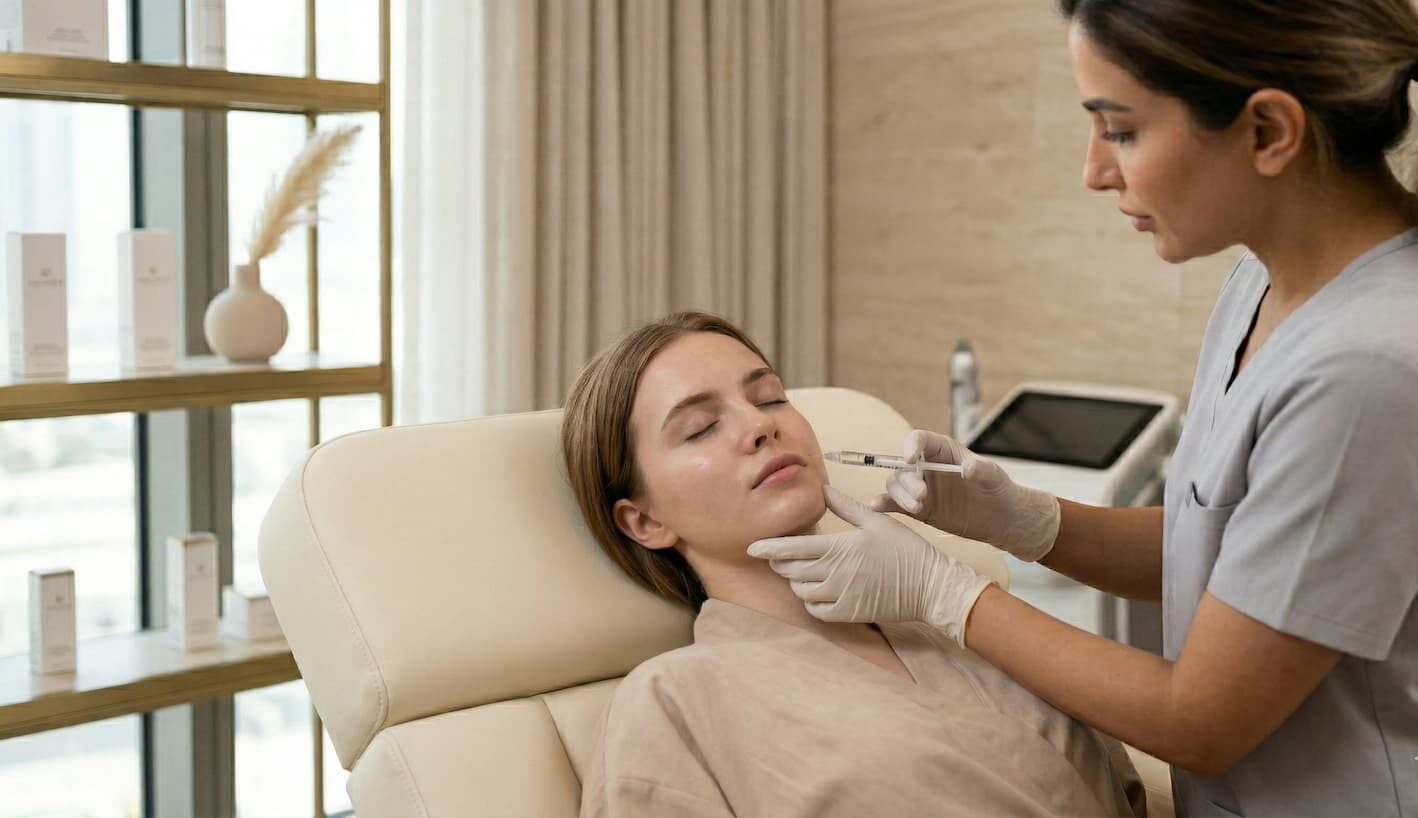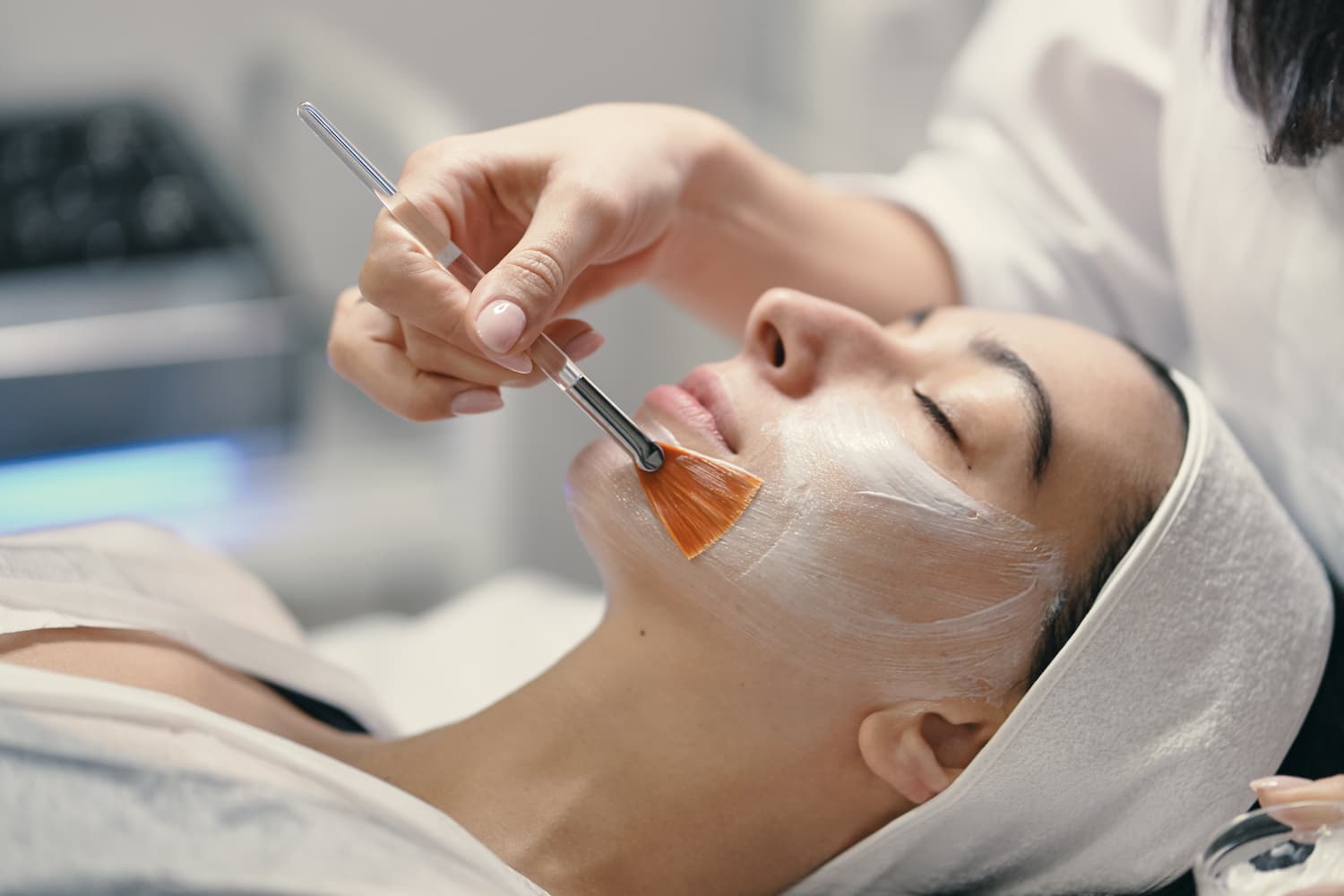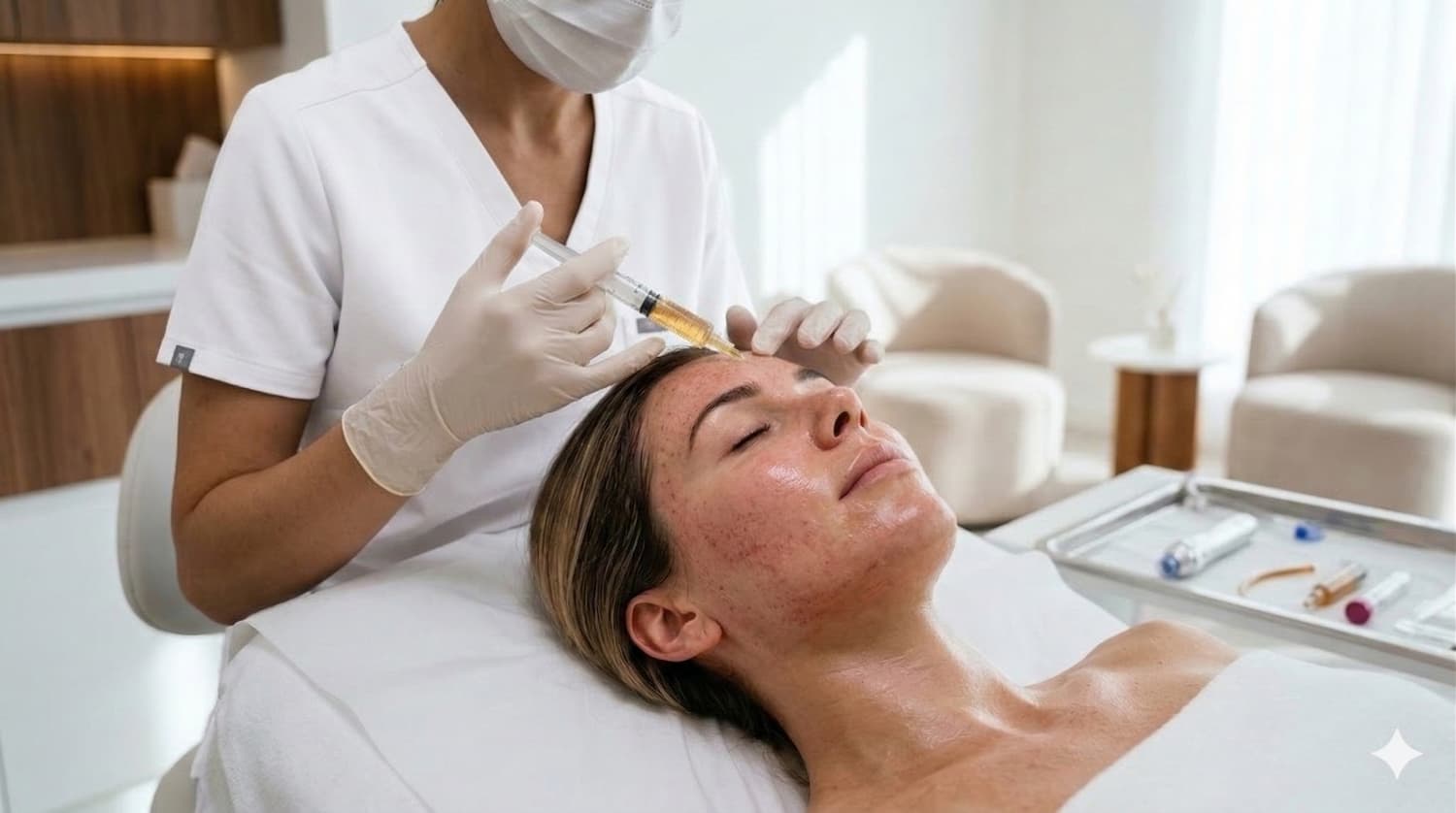

Facial treatments are more than just a luxury—they play an important role in maintaining healthy, radiant skin. From deep cleansing and hydration to anti-aging and acne control, facials support the skin’s natural renewal process. One of the most common questions people ask is how often they should get facial treatments. The answer depends on your skin type, concerns, and long-term skincare goals.
Understanding the right frequency can help you get the best results while keeping your skin balanced and glowing.
Why Regular Facial Treatments Matter
Our skin is constantly exposed to environmental stressors such as pollution, sun exposure, and daily wear. Over time, dead skin cells build up, pores become congested, and hydration levels drop. Facial treatments help cleanse, exfoliate, and nourish the skin, supporting cell turnover and collagen production.
Regular treatments also allow skin professionals to monitor changes in your skin and adjust care as needed, preventing minor concerns from becoming major issues.
General Recommendation for Facial Frequency
For most people, getting a facial once every four to six weeks is ideal. This timing aligns with the skin’s natural regeneration cycle, which typically takes about 28 days. Monthly facials help maintain clear pores, even skin tone, and healthy texture.
However, this is a general guideline. The ideal frequency can vary depending on individual skin needs and the type of facial treatment.
Facial Frequency by Skin Type
Normal Skin:
People with balanced skin benefit from monthly maintenance facials. These treatments focus on cleansing, hydration, and gentle exfoliation to preserve skin health and radiance.
Dry Skin:
Dry skin may benefit from facials every three to four weeks, especially hydrating or barrier-repair treatments. Regular hydration helps restore moisture levels and improve skin comfort.
Oily or Acne-Prone Skin:
Oily and acne-prone skin often requires more frequent care. Facials every two to four weeks can help manage oil production, prevent clogged pores, and reduce breakouts. Deep cleansing and exfoliating treatments are particularly beneficial.
Sensitive Skin:
Sensitive skin needs a gentler approach. Facials every four to six weeks using calming, non-irritating techniques help strengthen the skin barrier without causing inflammation.
Combination Skin:
Combination skin typically does well with monthly facials, with treatments customized for different areas of the face.
Frequency Based on Skin Concerns
Anti-Aging:
For concerns such as fine lines, dullness, and loss of firmness, facials every four weeks support collagen production and skin renewal. Advanced treatments may be scheduled in a series for optimal results.
Acne Management:
Acne-focused facials may be recommended every two to three weeks initially, then spaced out as the skin improves. Consistency is key for long-term clarity.
Pigmentation and Uneven Tone:
Brightening and resurfacing facials are often done every four to six weeks to gradually improve skin tone without overstressing the skin.
Advanced Facial Treatments and Frequency
More advanced treatments such as chemical peels, microneedling, or laser facials require longer intervals between sessions. These treatments work deeper in the skin and need adequate healing time.
- Chemical peels: every 4–6 weeks
- Microneedling: every 4–6 weeks
- Laser facials: as advised by a professional, often several weeks apart
A qualified skincare specialist will recommend the safest and most effective schedule.
Can You Overdo Facials?
Yes, too many facials can irritate the skin, disrupt the skin barrier, and cause sensitivity. Over-exfoliation and frequent aggressive treatments can lead to redness, dryness, and breakouts. This is why professional guidance is essential—more is not always better when it comes to skincare.
The Role of Home Care
Facial treatments work best when paired with a consistent home skincare routine. Using the right cleanser, moisturizer, sunscreen, and targeted products helps maintain results between appointments. Good home care can sometimes allow you to space out professional treatments while still enjoying healthy skin.