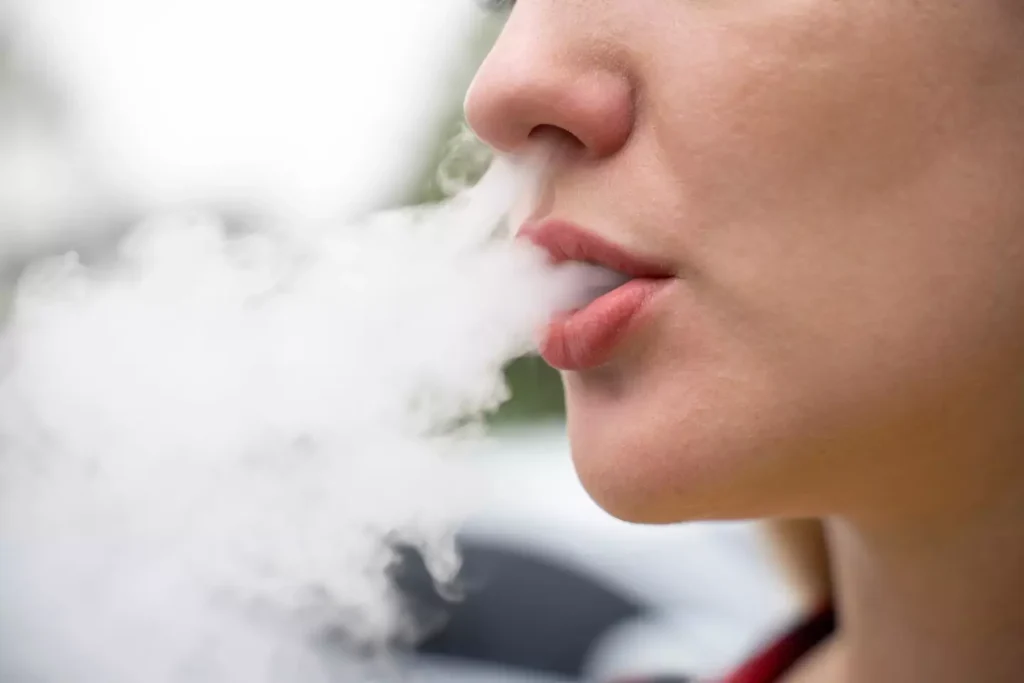
Smoking is widely known for its negative effects on lung and heart health, but it also takes a significant toll on the skin. People who smoke often notice premature aging, wrinkles, and dull complexion earlier than non-smokers. Understanding how smoking accelerates skin aging can help motivate lifestyle changes and support healthier, younger-looking skin.
The Science Behind Smoking and Skin Aging
Cigarette smoke contains thousands of harmful chemicals, including nicotine and free radicals, which damage skin cells and impair blood flow. Free radicals cause oxidative stress, breaking down collagen and elastin—two proteins critical for maintaining skin firmness, elasticity, and smoothness.
Nicotine narrows blood vessels, reducing oxygen and nutrient supply to the skin. This compromises the skin’s ability to repair itself and maintain hydration, leading to dryness and increased vulnerability to damage.
Visible Signs of Smoking-Related Skin Aging
The most common effects of smoking on skin include:
-
Wrinkles and fine lines, particularly around the mouth and eyes (“smoker’s lines”)
-
Loss of elasticity, causing sagging skin
-
Dull and uneven skin tone, often grayish or ashen
-
Delayed wound healing, making cuts and bruises slower to recover
-
Premature age spots due to UV sensitivity and oxidative damage
Even occasional smokers may notice subtle changes in skin texture and tone over time.
How Smoking Interacts with Other Aging Factors
Smoking doesn’t act alone. Combined with sun exposure, poor diet, stress, or inadequate skincare, it dramatically accelerates skin aging. Many smokers notice deeper wrinkles and sagging earlier than non-smokers of the same age because their skin repair mechanisms are compromised.
Can Skincare Help?
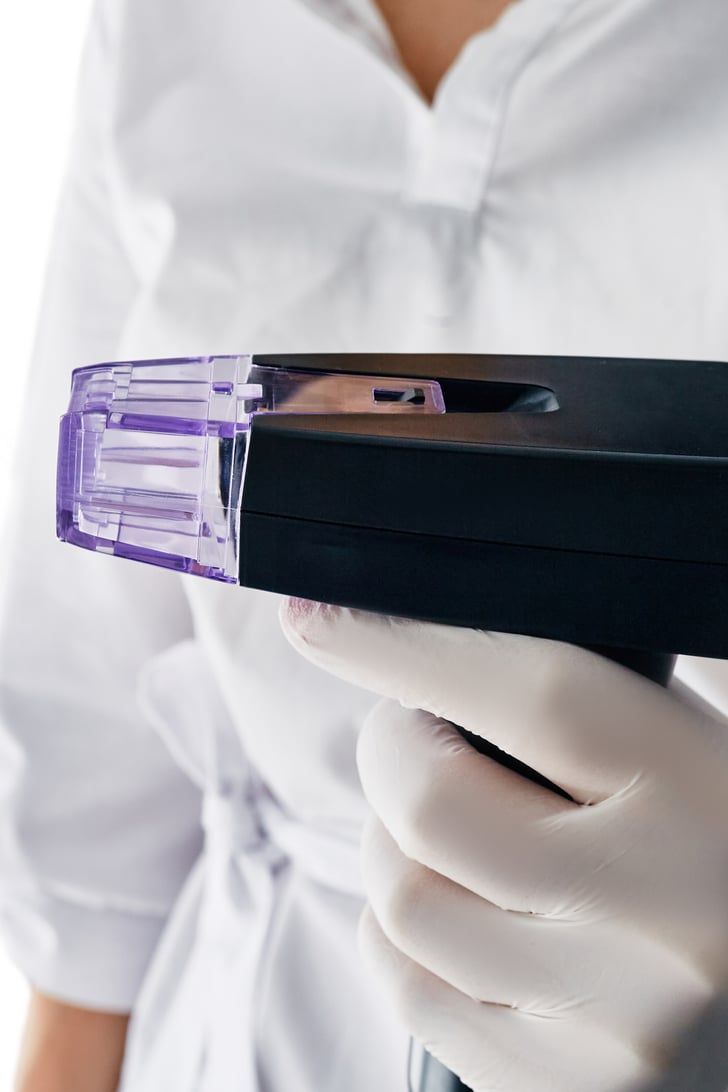
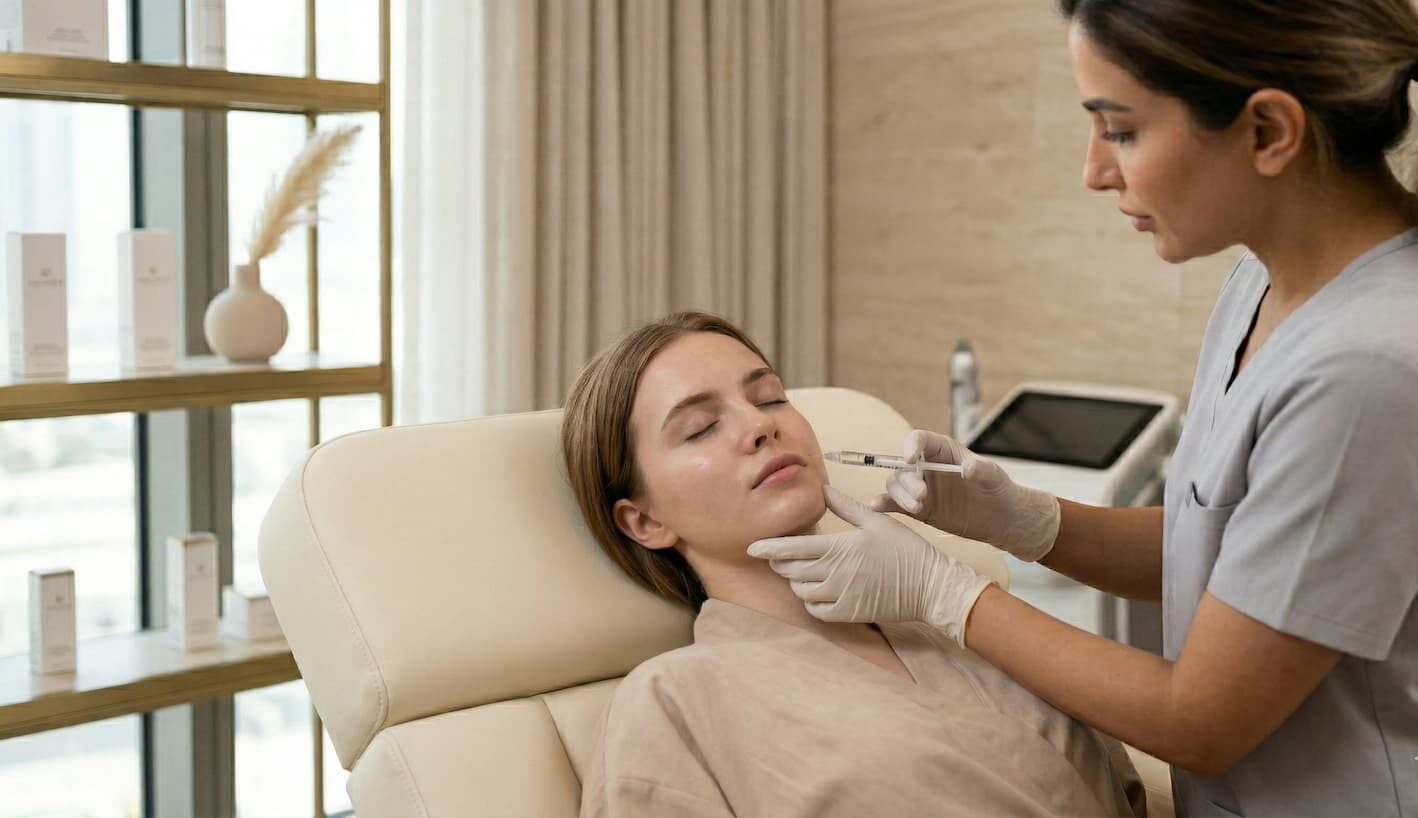
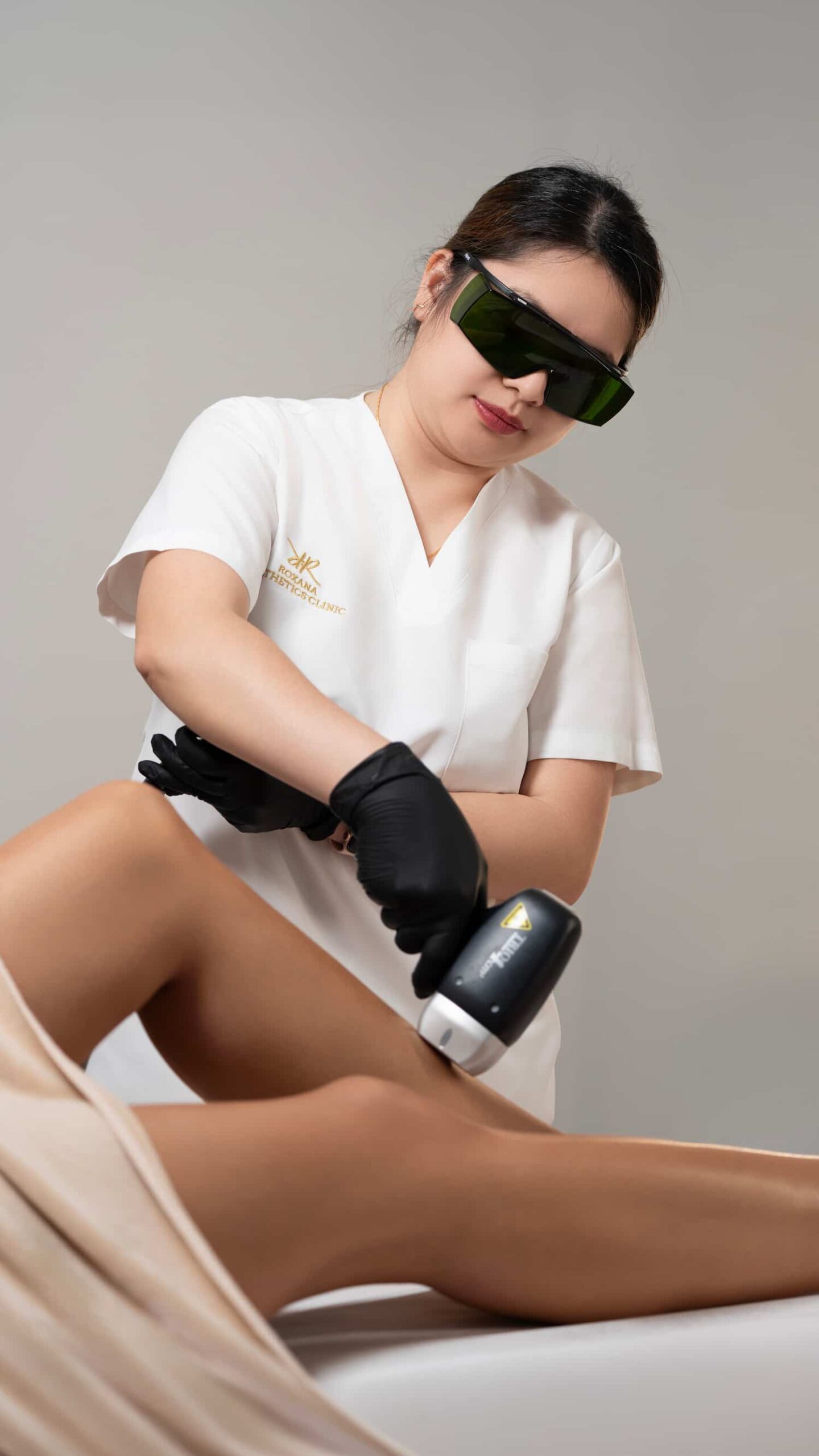
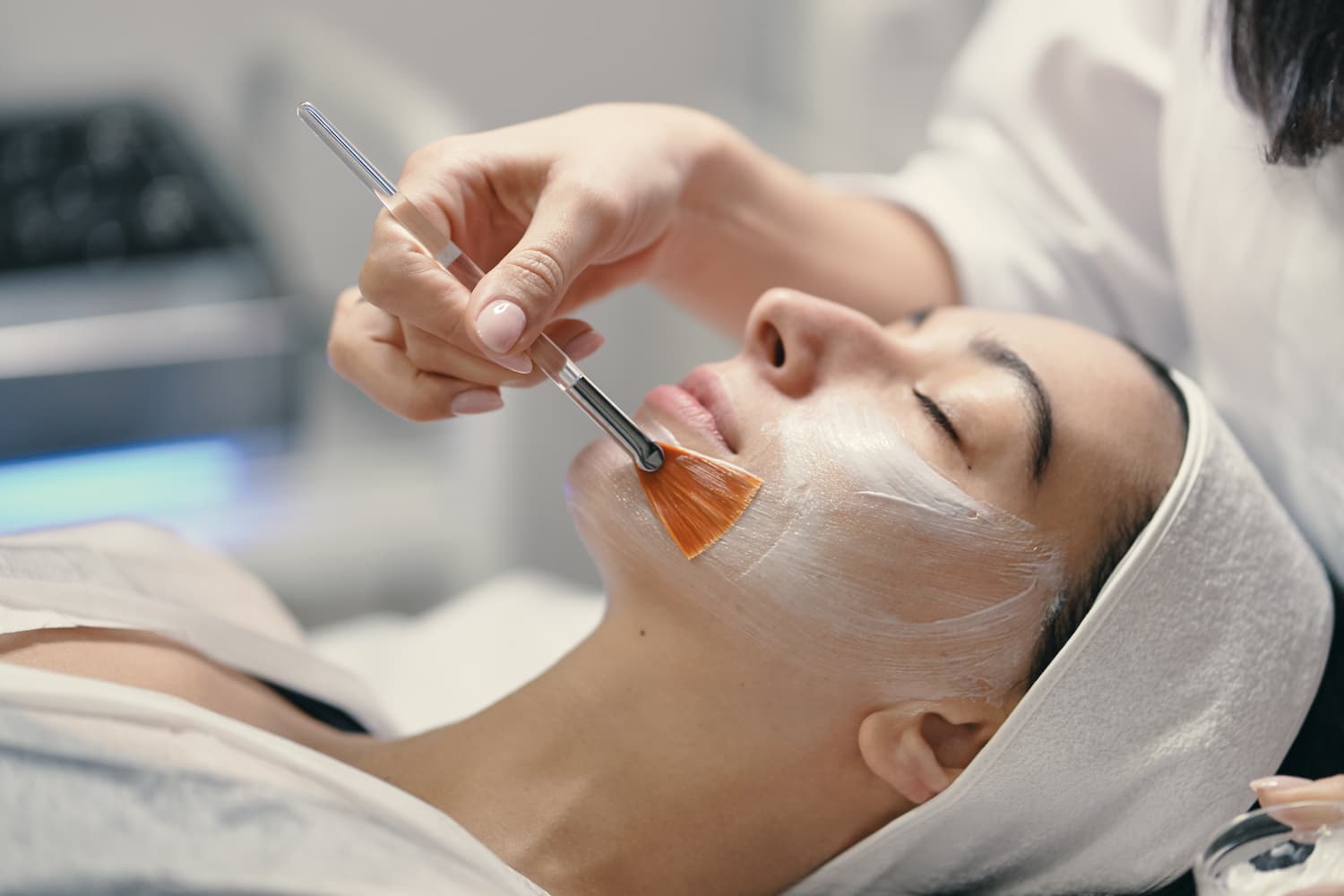
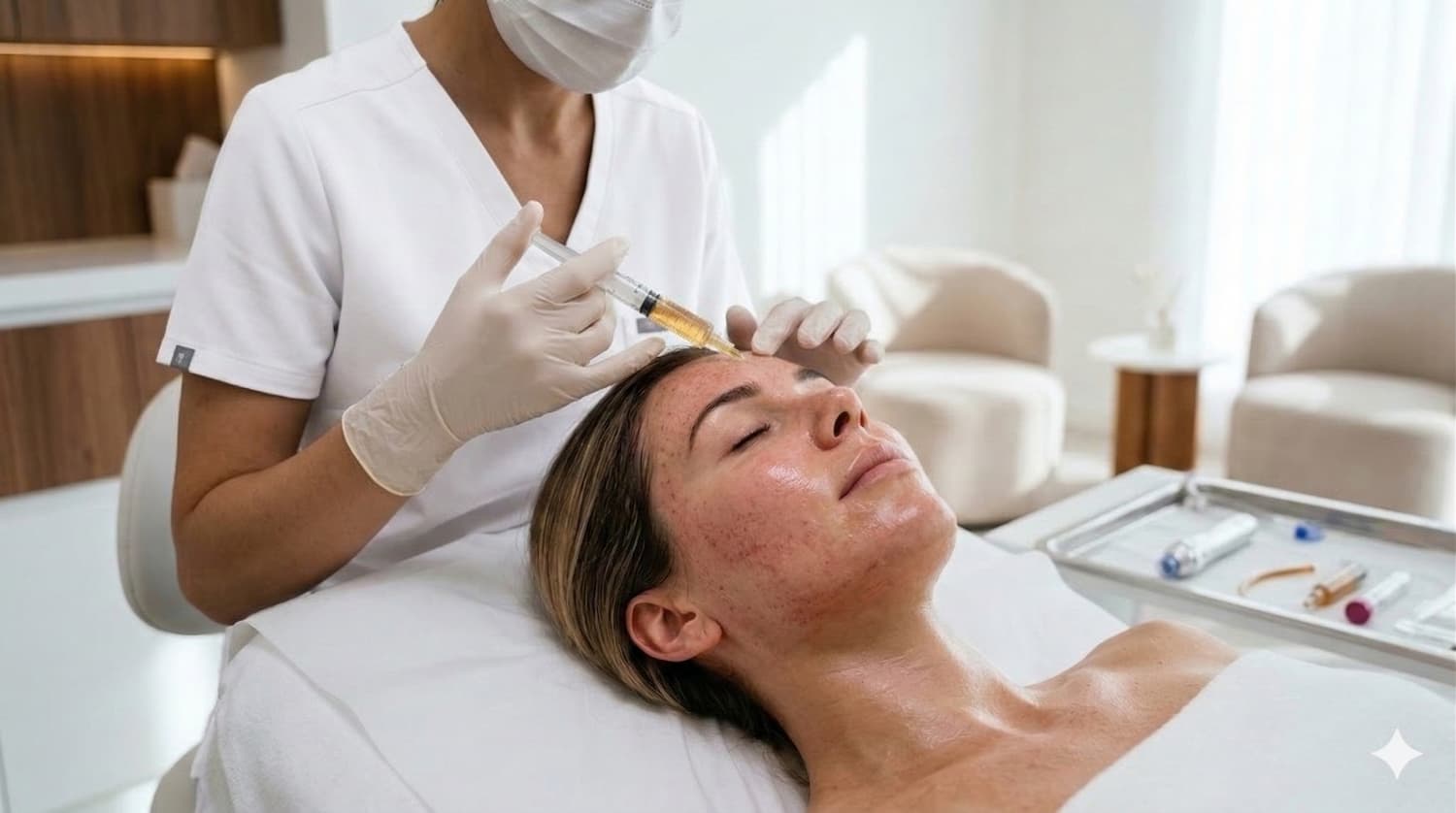
While high-quality skincare products can improve hydration, reduce oxidative stress, and support collagen production, they cannot fully counteract the damage caused by smoking. Antioxidant-rich serums, moisturizers, and professional treatments like laser therapy or microneedling can help minimize visible effects, but quitting smoking is the most effective anti-aging strategy.
Preventing Further Damage
-
Quit smoking: The single most impactful step to prevent further skin aging
-
Protect from the sun: UV exposure worsens smoking-related skin damage
-
Hydrate and nourish: Drink plenty of water and use moisturizers
-
Eat antioxidant-rich foods: Fruits, vegetables, and nuts help combat free radical damage
-
Consult a dermatologist: Professional treatments can help restore collagen and skin texture
Final Thoughts
Smoking accelerates skin aging by breaking down collagen, reducing elasticity, and impairing the skin’s natural repair processes. While skincare can mitigate some damage, quitting smoking and adopting a healthy lifestyle remain the most effective ways to preserve youthful, radiant skin. Your skin reflects your overall health—treat it with care, and it will show the results.