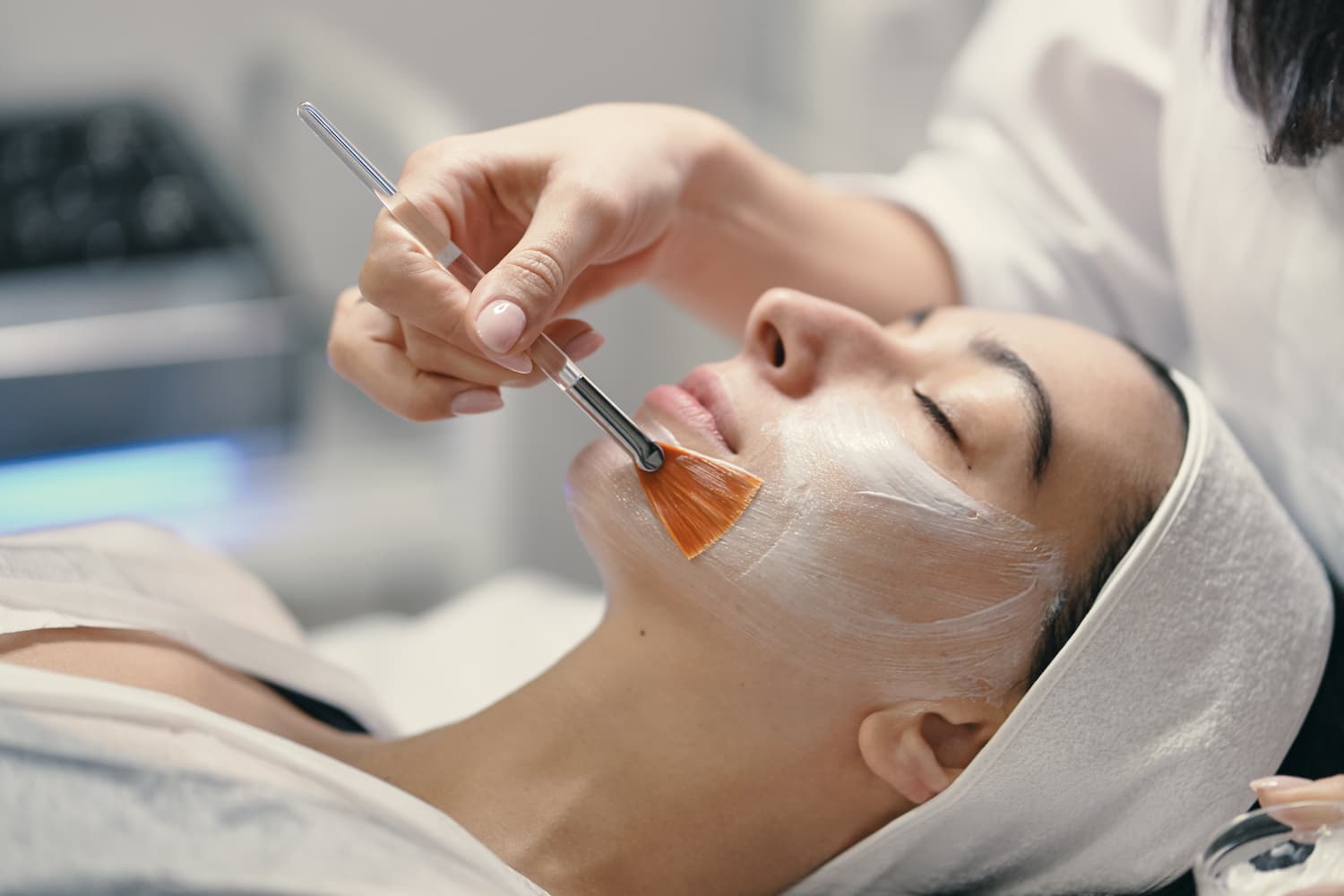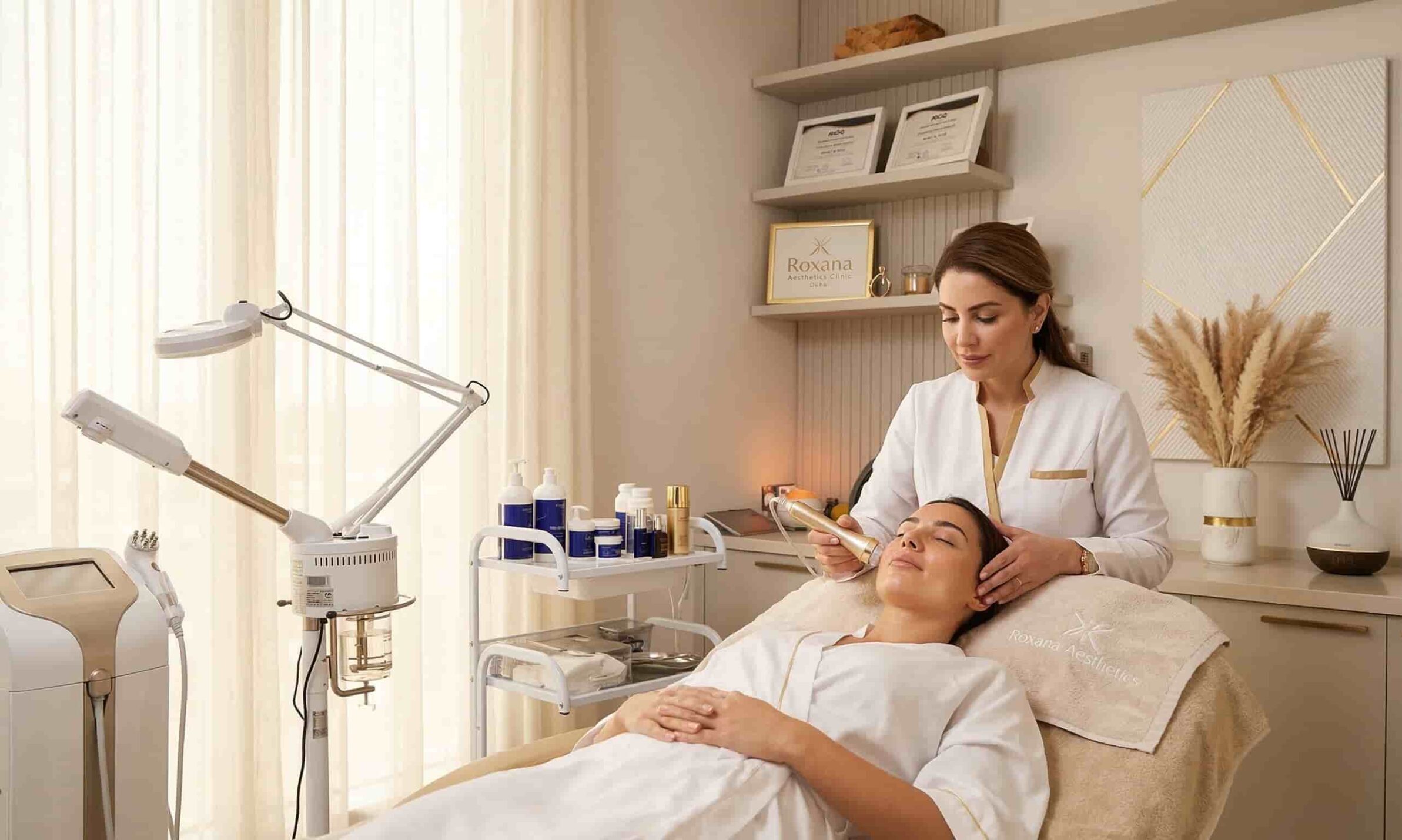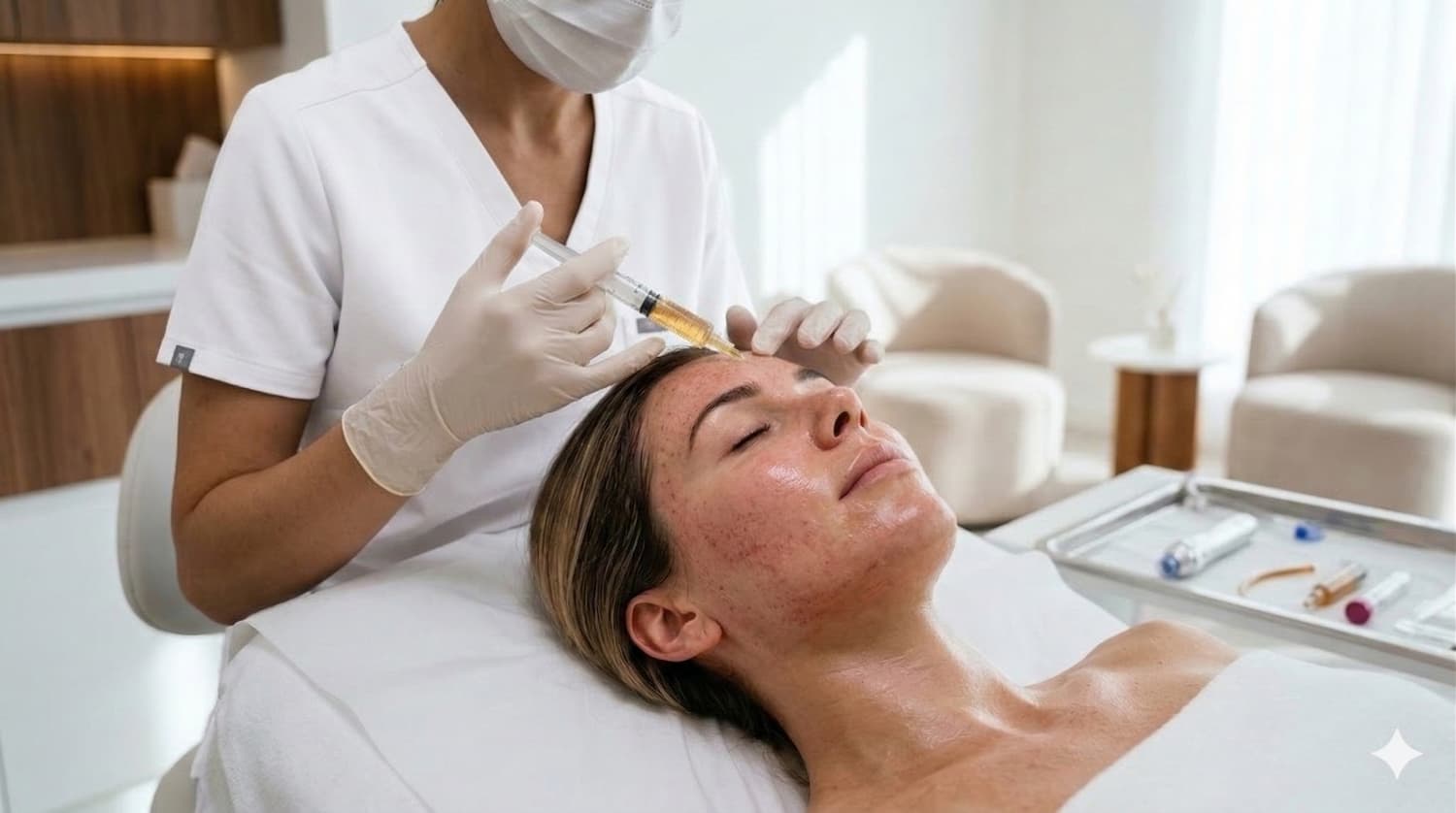
Aesthetic treatments have evolved dramatically over the past decade, driven by innovations in technology. From non-invasive procedures to precision-guided devices, technology is transforming how people approach skincare, anti-aging treatments, and facial and body enhancements. These advancements have made aesthetic procedures safer, more effective, and more accessible, while also improving patient comfort and recovery times.
Understanding the impact of technology on aesthetic treatments highlights why modern procedures are more refined, predictable, and customizable than ever before.
Precision and Personalization
One of the biggest benefits technology brings to aesthetics is precision. Advanced imaging systems and diagnostic tools allow practitioners to assess skin type, structure, and problem areas in detail. This data enables:
- Customized treatment plans tailored to individual anatomy
- Accurate targeting of wrinkles, pigmentation, or volume loss
- Monitoring progress over time to adjust treatments for optimal results
For example, 3D facial imaging can help visualize potential outcomes of fillers, Botox, or surgical procedures, allowing patients and practitioners to collaborate on realistic expectations.
Non-Invasive and Minimally Invasive Procedures
Technology has driven a shift from invasive surgeries to non-surgical or minimally invasive treatments, offering effective results with less downtime. Some innovations include:
1. Laser and Light-Based Therapies
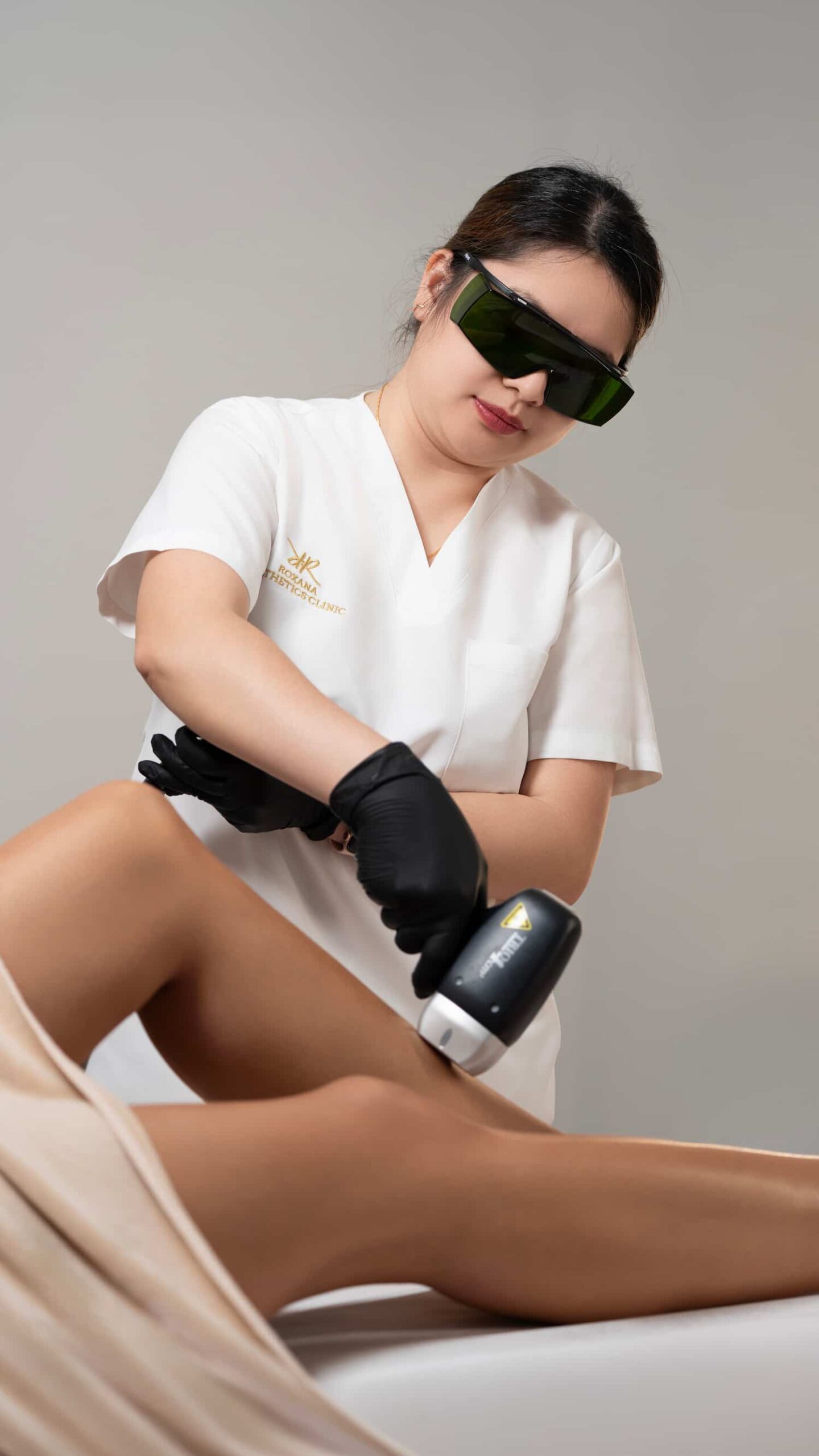
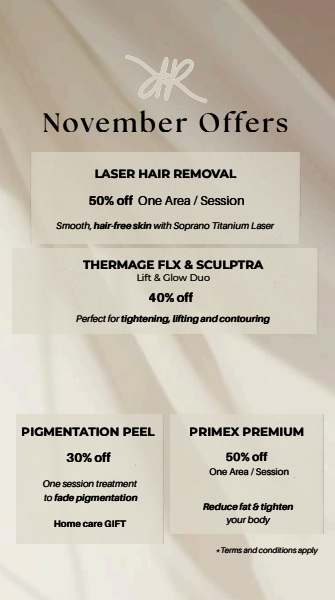
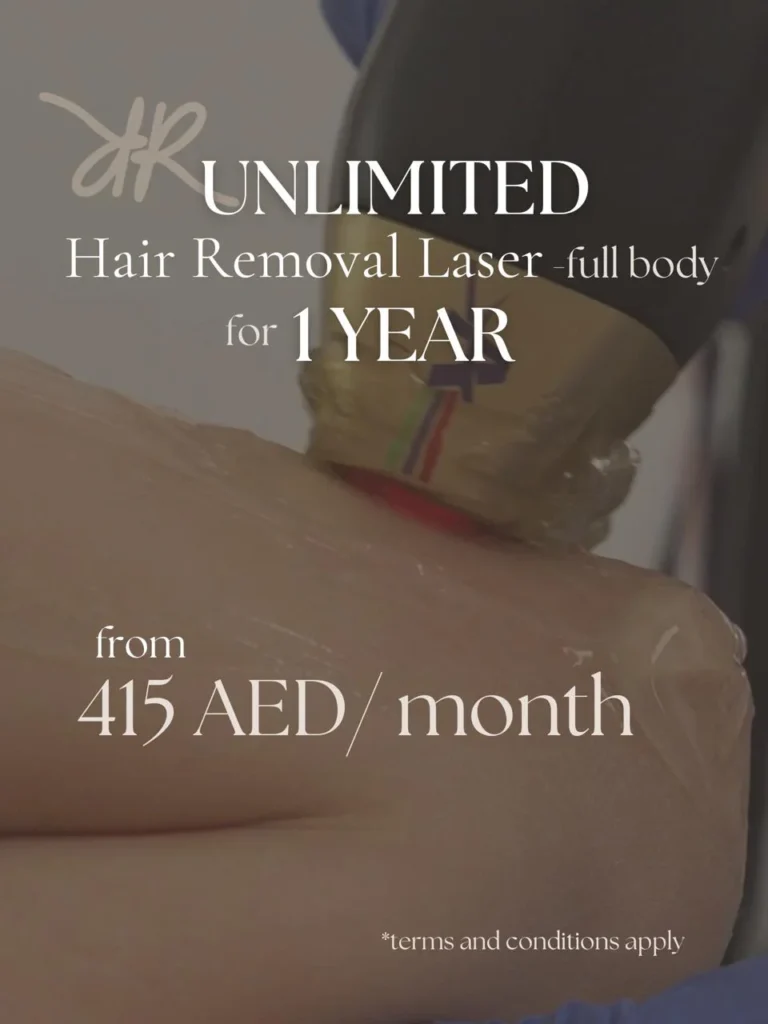
Modern lasers and IPL (Intense Pulsed Light) devices target specific skin concerns with high precision. They can:
- Reduce pigmentation, sun damage, and redness
- Stimulate collagen production to improve skin texture and elasticity
- Treat acne scars and other imperfections with minimal downtime
2. Radiofrequency and Ultrasound Devices
Radiofrequency (RF) and ultrasound technologies are used to tighten and lift skin without surgery. By delivering controlled energy deep into the skin, these devices stimulate collagen and elastin production, improving firmness and contouring areas like the jawline, neck, and cheeks.
3. Cryolipolysis and Body Contouring Devices
Fat reduction and body sculpting have been revolutionized by non-invasive technologies such as cryolipolysis (fat freezing) and high-intensity focused ultrasound (HIFU). These treatments precisely target fat cells or tighten skin, offering sculpted results without surgical intervention.
Enhanced Safety and Comfort
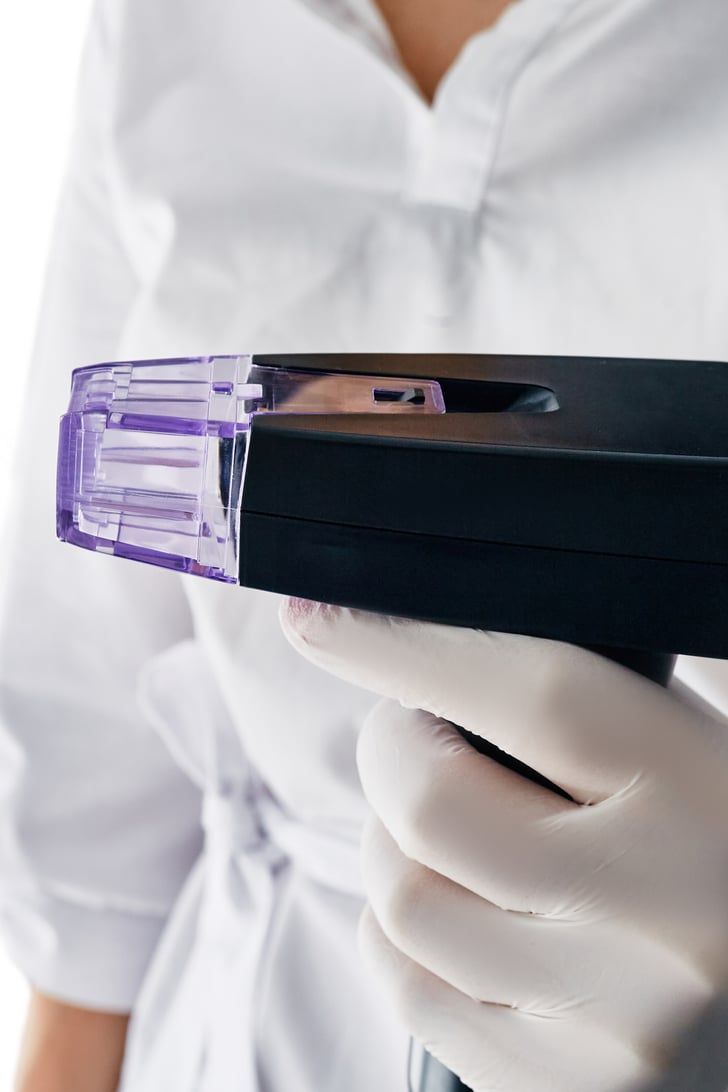
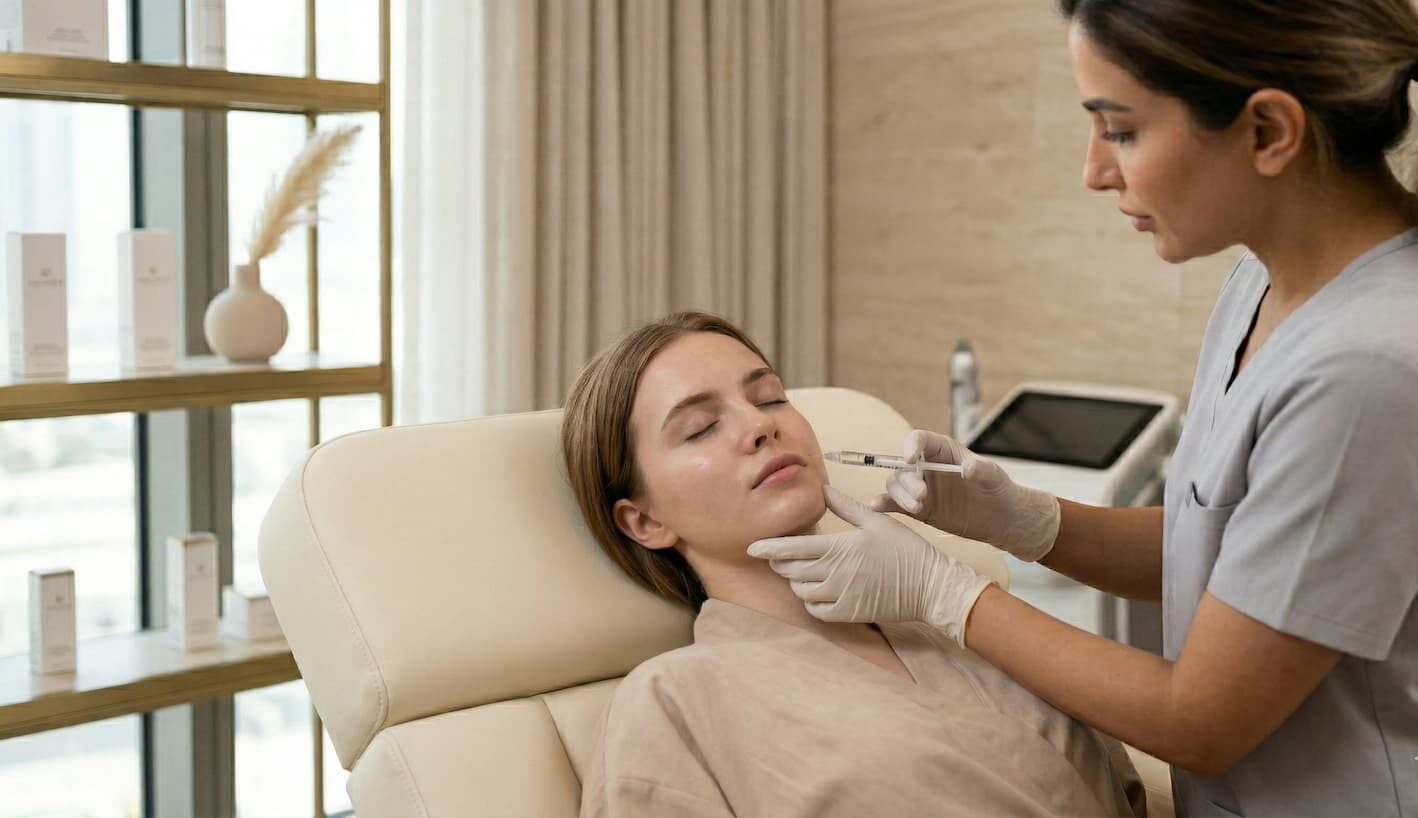
Technology has significantly improved the safety and comfort of aesthetic procedures. Real-time monitoring systems in laser and energy-based devices ensure treatments are delivered at the right intensity, minimizing the risk of burns or tissue damage. Similarly, advanced numbing techniques and precision-guided injections reduce discomfort during procedures like dermal fillers or Botox.
These technological improvements make treatments more accessible to a broader range of patients, including those who were previously hesitant due to fear of pain or complications.
Faster Recovery and Less Downtime
One of the key advantages of technological advancements is reduced recovery time. Non-invasive devices allow patients to return to their daily activities almost immediately, unlike traditional surgical procedures that require extended healing periods. Patients can achieve visible results without disrupting their lifestyle, making aesthetic treatments more convenient and appealing.
Integration with Artificial Intelligence (AI)
Artificial intelligence (AI) is increasingly being integrated into aesthetic medicine. AI-powered tools can:
- Analyze facial symmetry and skin quality
- Predict aging patterns and optimal treatment areas
- Assist practitioners in developing precise treatment plans
By leveraging AI, practitioners can provide data-driven recommendations that enhance accuracy, improve outcomes, and ensure patient satisfaction.
Combination Treatments and Multi-Device Approaches
Technology enables the combination of multiple treatments to address different concerns simultaneously. For example:
- Laser resurfacing combined with dermal fillers for a youthful, smooth complexion
- Ultrasound skin tightening paired with Botox to enhance facial contour and reduce wrinkles
- Cryolipolysis and RF treatments for effective body sculpting and skin firming
This multi-device approach allows for holistic, customized solutions that maximize results while minimizing invasiveness.
Telemedicine and Virtual Consultations
Technology has also expanded access to aesthetic consultations through telemedicine. Virtual assessments allow patients to discuss concerns, review treatment options, and even preview results using 3D simulation software—all from the comfort of home. This convenience improves accessibility and helps patients make informed decisions before undergoing any procedure.
Technology is reshaping the landscape of aesthetic treatments, making procedures safer, more precise, and more effective than ever. From advanced lasers, ultrasound, and RF devices to AI-assisted planning and virtual consultations, patients now have access to a wider range of options with minimal downtime and maximum customization.
As technology continues to advance, aesthetic medicine is moving toward more personalized, non-invasive, and holistic approaches, helping individuals achieve natural-looking results while prioritizing safety, comfort, and long-term skin health.