Oily skin can be frustrating to manage. Excess shine, clogged pores, and frequent breakouts often lead people to overuse harsh products in an attempt to “dry out” their skin. Unfortunately, this approach usually backfires. Learning how to combat oily skin without over-drying is the key to achieving a balanced, healthy complexion while preventing irritation and excess oil production.
Understanding Why Skin Produces Excess Oil
Oil, or sebum, is naturally produced by the skin to protect and hydrate it. Oily skin occurs when sebaceous glands become overactive, often due to genetics, hormonal changes, climate, stress, or improper skincare. When the skin is stripped of its natural oils, it responds by producing even more oil to compensate. This cycle explains why understanding how to combat oily skin without over-drying is essential for long-term skin health.
Gentle Cleansing Is the Foundation
Cleansing is crucial for oily skin, but the choice of cleanser matters. Harsh, alcohol-based cleansers can damage the skin barrier and trigger increased oil production. Instead, use a gentle, pH-balanced cleanser designed to remove excess oil without stripping moisture.
Cleansing twice daily—morning and evening—is usually sufficient. Over-cleansing can disrupt the skin’s natural balance, making oiliness worse rather than better.
Hydration Is Essential, Even for Oily Skin
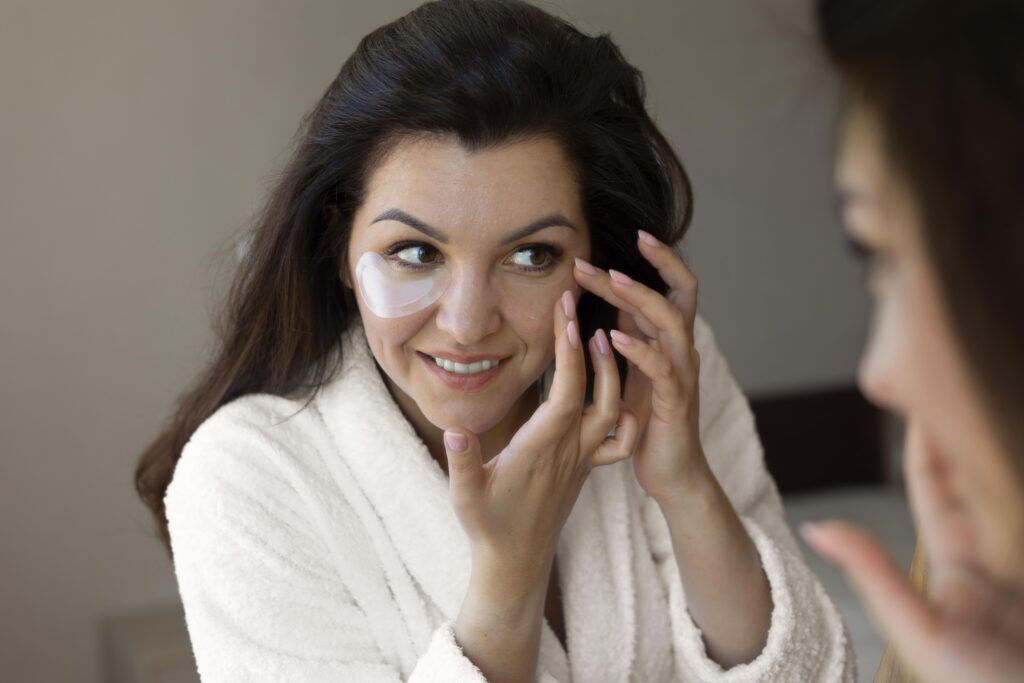
A common misconception is that oily skin does not need moisturizer. In reality, proper hydration is one of the most effective ways to control oil. Lightweight, non-comedogenic moisturizers help maintain the skin barrier and signal to the skin that it does not need to produce excess oil.
Gel-based or water-based moisturizers are ideal options. Hydrated skin appears smoother, less shiny, and healthier overall, reinforcing how to combat oily skin without over-drying effectively.
Exfoliate Strategically, Not Aggressively
Exfoliation helps remove dead skin cells that can clog pores and trap oil. However, excessive exfoliation can irritate the skin and stimulate more oil production. The goal is balance.
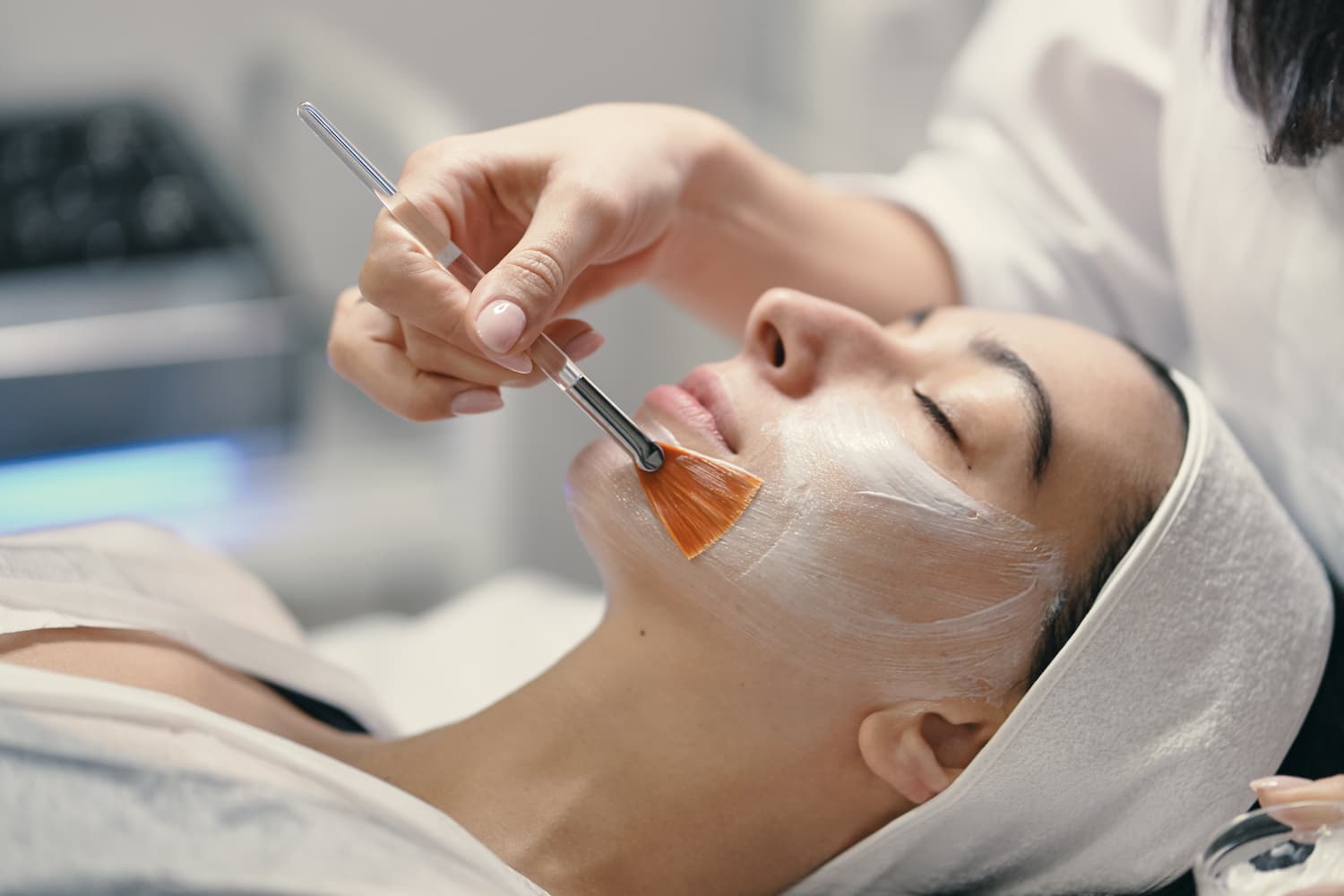
Chemical exfoliants such as salicylic acid or mild fruit acids can penetrate pores and control oil without harsh scrubbing. Exfoliating one to two times per week is usually enough to keep skin smooth and clear without over-drying.
Use Oil-Control Ingredients Wisely
Certain skincare ingredients help regulate oil production while preserving moisture. Niacinamide helps reduce excess sebum and minimizes the appearance of pores. Hyaluronic acid provides hydration without heaviness, while clay-based masks absorb oil without damaging the skin barrier when used occasionally.
Incorporating these ingredients supports how to combat oily skin without over-drying by targeting oil at its source rather than aggressively removing it.
Avoid Heavy and Pore-Clogging Products
Oily skin benefits from lightweight formulations. Thick creams, heavy oils, and pore-clogging makeup can worsen shine and contribute to breakouts. Choosing products labeled “non-comedogenic” helps prevent clogged pores while allowing the skin to breathe.
Switching to oil-free sunscreens and breathable makeup can make a noticeable difference in managing oil throughout the day.
Sun Protection Without Excess Shine
Sun exposure can increase oil production and worsen skin texture. However, many people skip sunscreen because they fear added greasiness. Modern sunscreens are formulated to suit oily skin, offering matte or gel finishes that protect without clogging pores.
Daily sun protection plays a major role in how to combat oily skin without over-drying, as sun damage weakens the skin barrier and disrupts oil balance.
Lifestyle Habits That Affect Oil Production
Skincare alone isn’t the only factor in managing oily skin. Diet, hydration, sleep, and stress levels all influence oil production. Drinking enough water supports skin balance, while limiting sugary and highly processed foods may help reduce excess oil.
Stress management is equally important, as hormonal fluctuations triggered by stress can stimulate oil glands. Healthy lifestyle habits complement skincare efforts and improve overall skin condition.
Professional Treatments for Balanced Skin
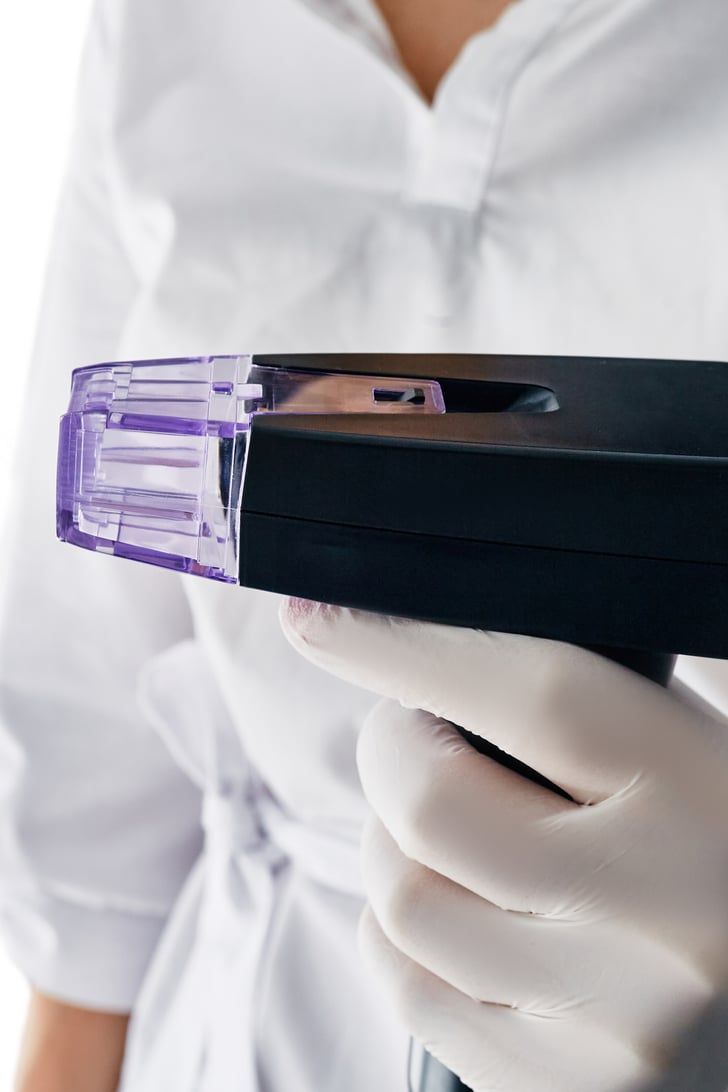
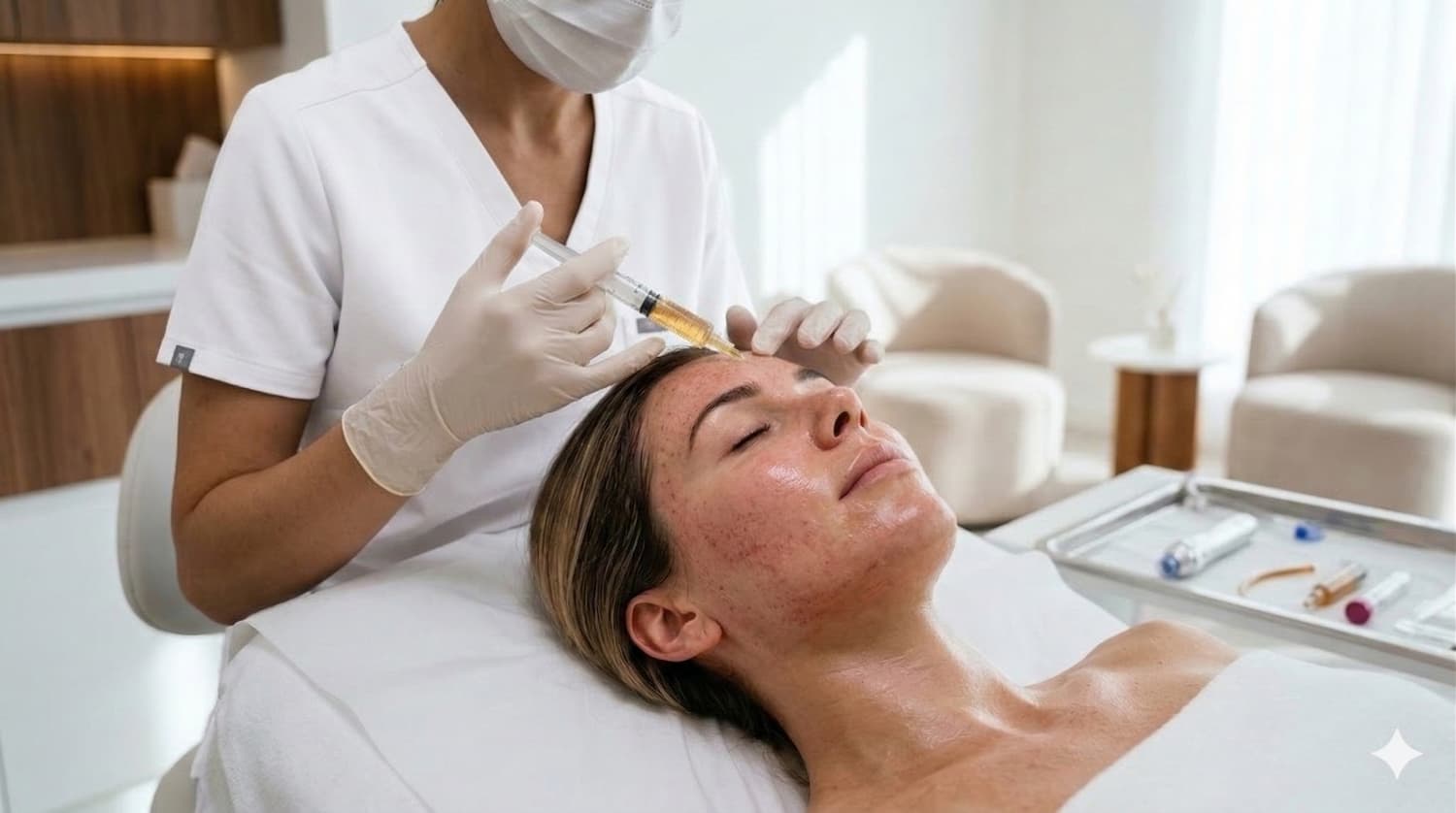
When oily skin becomes difficult to manage, professional treatments can help restore balance without harsh effects. Gentle facials, chemical exfoliation, and hydration-focused treatments cleanse pores, control oil, and support skin health.
These treatments focus on regulating oil rather than stripping the skin, further reinforcing how to combat oily skin without over-drying in a safe and effective way.
Consistency Is the Key to Success
Managing oily skin requires patience and consistency. Switching products too often or using aggressive treatments can disrupt the skin’s natural rhythm. A simple, balanced routine practiced consistently delivers the best long-term results.
With the right approach, oily skin can become clearer, smoother, and more manageable without feeling tight or irritated.
Understanding how to combat oily skin without over-drying shifts the focus from harsh oil removal to gentle balance. Through proper cleansing, hydration, mindful exfoliation, sun protection, and supportive lifestyle habits, oily skin can be effectively managed.
Instead of fighting your skin, work with it. A balanced skincare routine that respects the skin barrier leads to healthier, more comfortable, and naturally radiant skin over time.