As we age, our skin’s needs change. What worked in your 20s may no longer be enough in your 30s, 40s, or 50s. Understanding how skin evolves over time helps you make smarter skincare choices and maintain healthier, more resilient skin at every stage of life.
Skincare After 30: Early Prevention Matters
In your 30s, skin aging often begins subtly. Collagen production starts to slow down, and the skin’s natural repair process becomes less efficient. You may notice early fine lines, dullness, mild pigmentation, or uneven texture—especially if there has been significant sun exposure.
At this stage, skincare should focus on prevention and repair. Supporting collagen, improving cell turnover, and protecting the skin from further damage are key. Sun protection becomes non-negotiable, as UV exposure is one of the biggest contributors to premature aging.
Consistency is more important than complexity. A well-structured routine can help delay visible signs of aging and keep skin looking fresh.
Skincare After 40: Supporting Structure and Hydration
By the 40s, changes in skin become more noticeable. Collagen and elastin loss accelerates, leading to reduced firmness and deeper lines. Skin may feel drier due to a decline in natural oil production, and pigmentation issues can become more prominent.
Skincare in this phase should aim to strengthen the skin barrier, restore hydration, and improve texture and tone. Supporting the skin’s structure becomes essential, as this is when sagging and volume changes start to appear.
Professional guidance can be especially helpful during this stage, as skin concerns tend to overlap and require a more personalized approach.
Skincare After 50: Repair, Comfort, and Skin Health
In the 50s and beyond, hormonal changes significantly affect the skin. Thinning skin, increased sensitivity, dryness, and slower healing are common. Wrinkles become more pronounced, and skin may lose its natural glow.
The focus now shifts toward repair, nourishment, and maintaining skin comfort. Gentle skincare that supports barrier function is crucial. Overly harsh products can do more harm than good at this stage.
Rather than chasing perfection, the goal is to maintain healthy, well-hydrated, and comfortable skin that ages gracefully.
Why One Routine Doesn’t Fit All
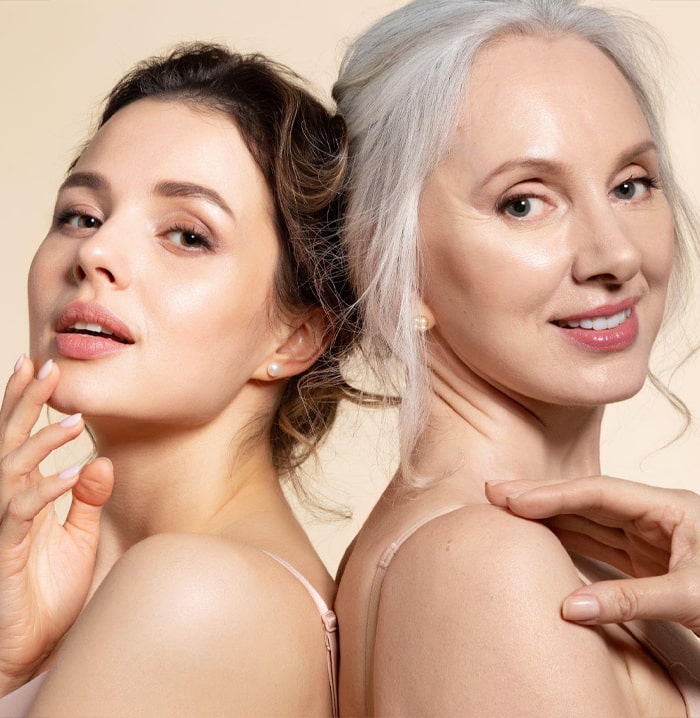
While age offers a general guideline, dermatologists emphasize that skin condition matters more than skin age. Factors such as sun exposure, lifestyle, genetics, stress, and medical history play a major role in how skin behaves over time.
A customized approach ensures the skin receives exactly what it needs—no more, no less.
The Takeaway
Skincare after 30, 40, and 50 isn’t about drastic changes—it’s about smart adjustments. As skin evolves, routines should evolve too. With the right care, guidance, and consistency, healthy skin is achievable at any age.
A professional skin assessment can help you understand how your skin is changing and how to care for it effectively at every stage of life.