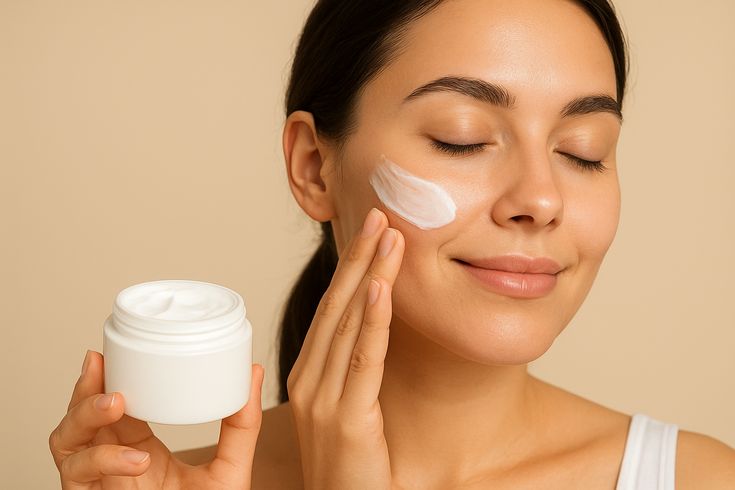
Moisturizing is one of the most essential steps in any skincare routine, yet it is often misunderstood or overlooked. Many people believe that moisturizers are only necessary for dry skin, while those with oily or acne-prone skin avoid them altogether. In reality, moisturizing is vital for all skin types, regardless of age, climate, or skin condition. Proper hydration helps maintain the skin’s protective barrier, supports overall skin health, and prevents a wide range of concerns such as premature aging, irritation, and imbalance.
Understanding the Skin Barrier
The outermost layer of the skin, known as the skin barrier, plays a crucial role in protecting the body from environmental damage, bacteria, pollution, and moisture loss. When this barrier is healthy, the skin appears smooth, resilient, and radiant. However, factors such as harsh cleansers, sun exposure, air conditioning, pollution, and aging can weaken the skin barrier, leading to dehydration and sensitivity.
Moisturizers help strengthen this barrier by sealing in water and replenishing essential lipids. Without regular moisturizing, the skin becomes more vulnerable to dryness, inflammation, and external stressors.
Why Moisturizing Is Essential for Dry Skin
Dry skin lacks sufficient natural oils and struggles to retain moisture. This can lead to flakiness, tightness, itching, and even cracking. For dry skin types, moisturizing is not just about comfort—it is necessary for maintaining skin integrity.
Using a rich moisturizer helps restore hydration, smooth rough texture, and prevent water loss throughout the day. Ingredients such as ceramides, hyaluronic acid, glycerin, and natural oils are especially beneficial for replenishing moisture and reinforcing the skin barrier.
Moisturizing for Oily and Acne-Prone Skin
A common misconception is that oily skin does not need moisturizing. In fact, skipping moisturizer can actually make oily skin worse. When the skin becomes dehydrated, it may compensate by producing more oil, leading to clogged pores and breakouts.
Lightweight, oil-free, or gel-based moisturizers are ideal for oily and acne-prone skin. These formulas hydrate the skin without clogging pores or adding excess shine. Proper moisturizing helps balance oil production, calm inflammation, and support a clearer complexion.
The Role of Moisturizing for Combination Skin
Combination skin can be challenging because it includes both dry and oily areas, typically with an oily T-zone and drier cheeks. Moisturizing helps regulate these imbalances by providing consistent hydration across the face.
Using a well-formulated moisturizer that adapts to the skin’s needs can help maintain harmony, reducing dry patches while preventing excessive oiliness. Some people may choose different moisturizers for different areas, but a balanced formula often works well for combination skin.
Moisturizing and Sensitive Skin
Sensitive skin is more prone to redness, irritation, and reactions. A weakened skin barrier is often the root cause of this sensitivity. Moisturizers designed for sensitive skin focus on calming and repairing rather than adding fragrance or harsh active ingredients.
Regular moisturizing helps reduce redness, soothe irritation, and improve the skin’s tolerance over time. Choosing gentle, fragrance-free products can make a significant difference in maintaining comfort and resilience.
Anti-Aging Benefits of Moisturizing
As we age, the skin’s ability to retain moisture naturally decreases. This loss of hydration contributes to the appearance of fine lines, wrinkles, and dullness. While moisturizers cannot stop aging, they play a key role in slowing visible signs of aging.
Well-hydrated skin appears plumper, smoother, and more youthful. Moisturizers enhance skin elasticity and improve texture, making lines less noticeable and giving the skin a healthy glow. Consistent hydration also supports skin repair and renewal.
Moisturizing in Different Climates
Climate plays a significant role in skin hydration. Hot, dry weather and air-conditioned environments can strip moisture from the skin, while colder climates may cause dryness and irritation. Even in humid conditions, the skin can become dehydrated due to sun exposure and environmental stress.
Adjusting your moisturizer based on the climate helps maintain optimal hydration year-round. Lightweight formulas may work better in warm weather, while richer creams provide extra protection in cooler months.
How to Moisturize Effectively
For best results, moisturizer should be applied to clean, slightly damp skin. This helps lock in water and improve absorption. Using a moisturizer twice daily—morning and night—ensures continuous hydration and protection.
It is also important to choose a product suited to your skin type and concerns. Consistency is key; regular use delivers long-term benefits and keeps the skin balanced and healthy.
Moisturizing is not an optional step or a solution reserved for dry skin—it is a fundamental part of skin care for everyone. From regulating oil production to strengthening the skin barrier and supporting a youthful appearance, the benefits of moisturizing extend far beyond hydration.
No matter your skin type, incorporating the right moisturizer into your daily routine helps protect, nourish, and maintain your skin’s overall health. When the skin is properly hydrated, it functions better, looks healthier, and feels more comfortable every day.