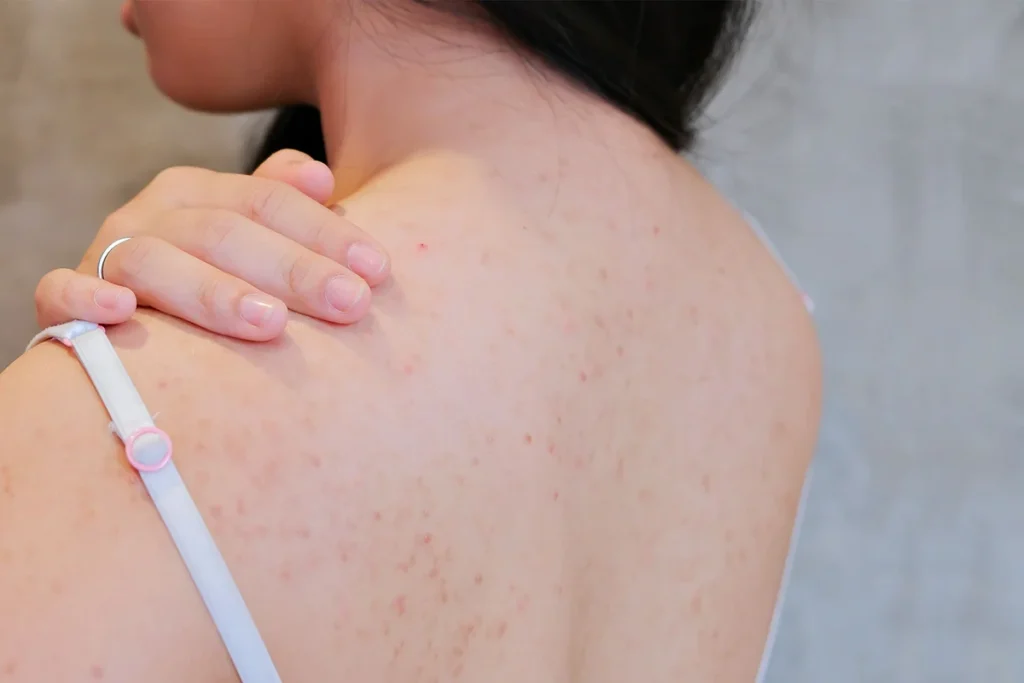
Back acne, often called “bacne,” is a common skin concern that can affect anyone, regardless of age. While most people associate acne with the face, breakouts on the back, shoulders, and chest are also widespread. The good news is that with proper care and treatment, back acne can be managed effectively, helping you feel confident in your skin again.
What Causes Back Acne?
Back acne happens when pores become blocked by excess oil, dead skin cells, or bacteria. Several factors can contribute to these breakouts:
- Overactive Oil Glands
Your skin naturally produces oil to stay hydrated. When oil production is excessive, it can clog pores and trigger acne. - Hormonal Shifts
Hormonal changes during puberty, menstrual cycles, or stress can increase oil production, leading to breakouts. - Sweat and Friction
Physical activity can lead to sweat buildup, which may aggravate acne. Tight clothing or straps rubbing against the back can also worsen the condition. - Bacteria
The bacteria Propionibacterium acnes thrive in clogged pores, causing inflammation and pimples. - Lifestyle Factors
Diet, stress, and skincare habits can influence acne severity. High-sugar or dairy-rich foods may worsen acne in some people.
Signs of Back Acne
Back acne can appear in various forms, from mild to severe:
- Small blackheads or whiteheads
- Red, inflamed pimples
- Painful cysts in more serious cases
- Scars or marks if left untreated
Recognizing the type of acne is important for selecting the right treatment.
How to Treat Back Acne Effectively
Addressing back acne involves a combination of proper skincare, lifestyle adjustments, and sometimes medical guidance. Here are effective strategies:
1. Keep Your Skin Clean
- Shower promptly after sweating to prevent pore clogging.
- Use gentle, acne-fighting body washes with ingredients like salicylic acid or benzoyl peroxide.
- Avoid scrubbing too harshly, as it can irritate the skin.
2. Choose Comfortable Clothing
- Wear loose, breathable fabrics like cotton to reduce friction and allow the skin to breathe.
- Limit tight straps or backpacks that may rub on the skin for long periods.
3. Topical Solutions
- Benzoyl Peroxide: Targets acne-causing bacteria and prevents clogged pores.
- Salicylic Acid: Helps remove dead skin cells and keep pores clear.
- Retinoids: Support skin renewal and prevent future breakouts.
4. Oral Treatments (For Persistent Acne)
- Antibiotics: Reduce bacterial growth and inflammation.
- Hormonal Therapy: Can balance hormone-related acne triggers.
- Isotretinoin: Prescribed for severe acne under dermatological supervision.
5. Lifestyle Habits
- Eat a balanced diet with plenty of fruits, vegetables, and lean proteins.
- Drink enough water to keep skin healthy.
- Manage stress through mindfulness, yoga, or exercise.
6. Professional Care
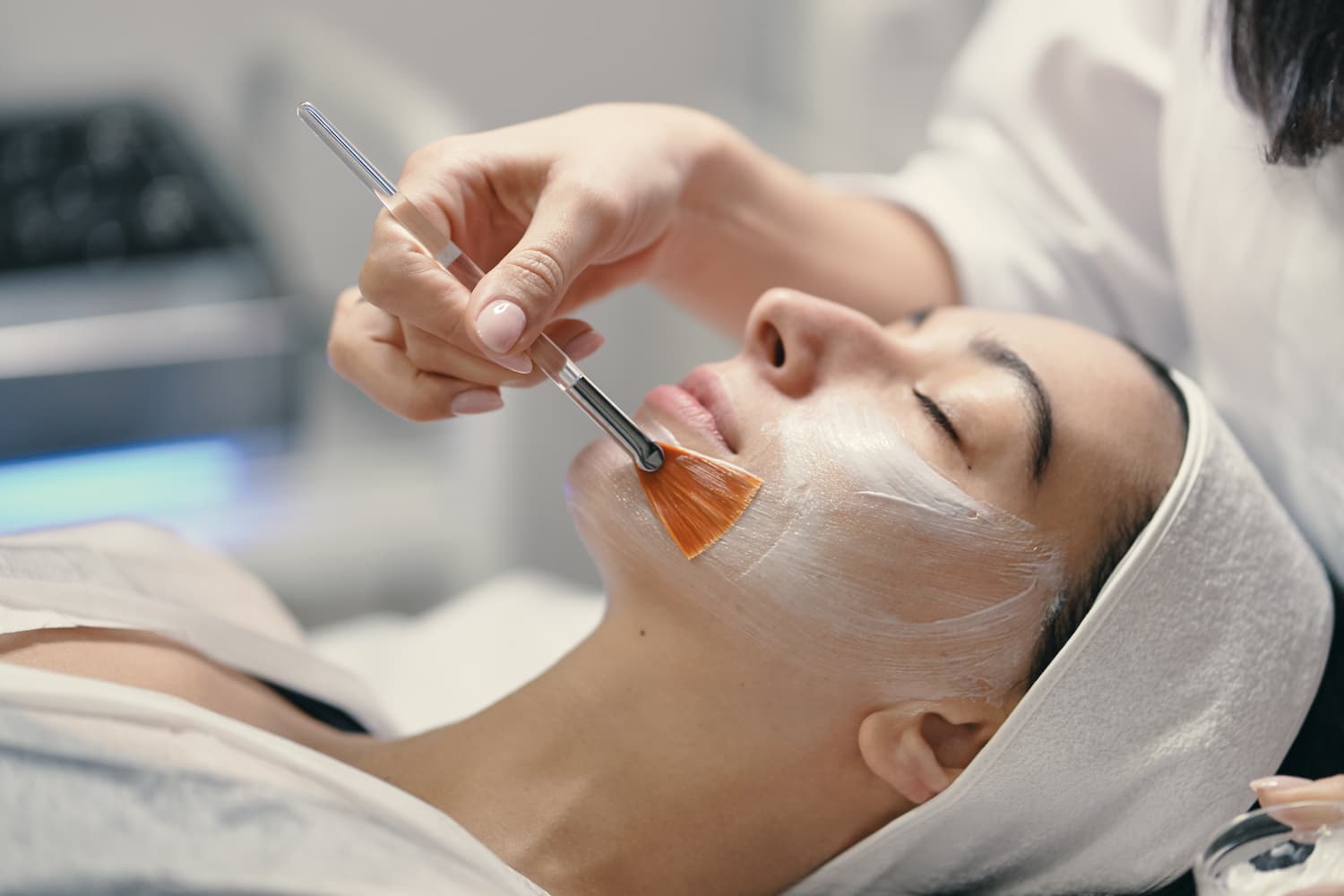
- Chemical Peels: Help exfoliate deeply and unclog pores.
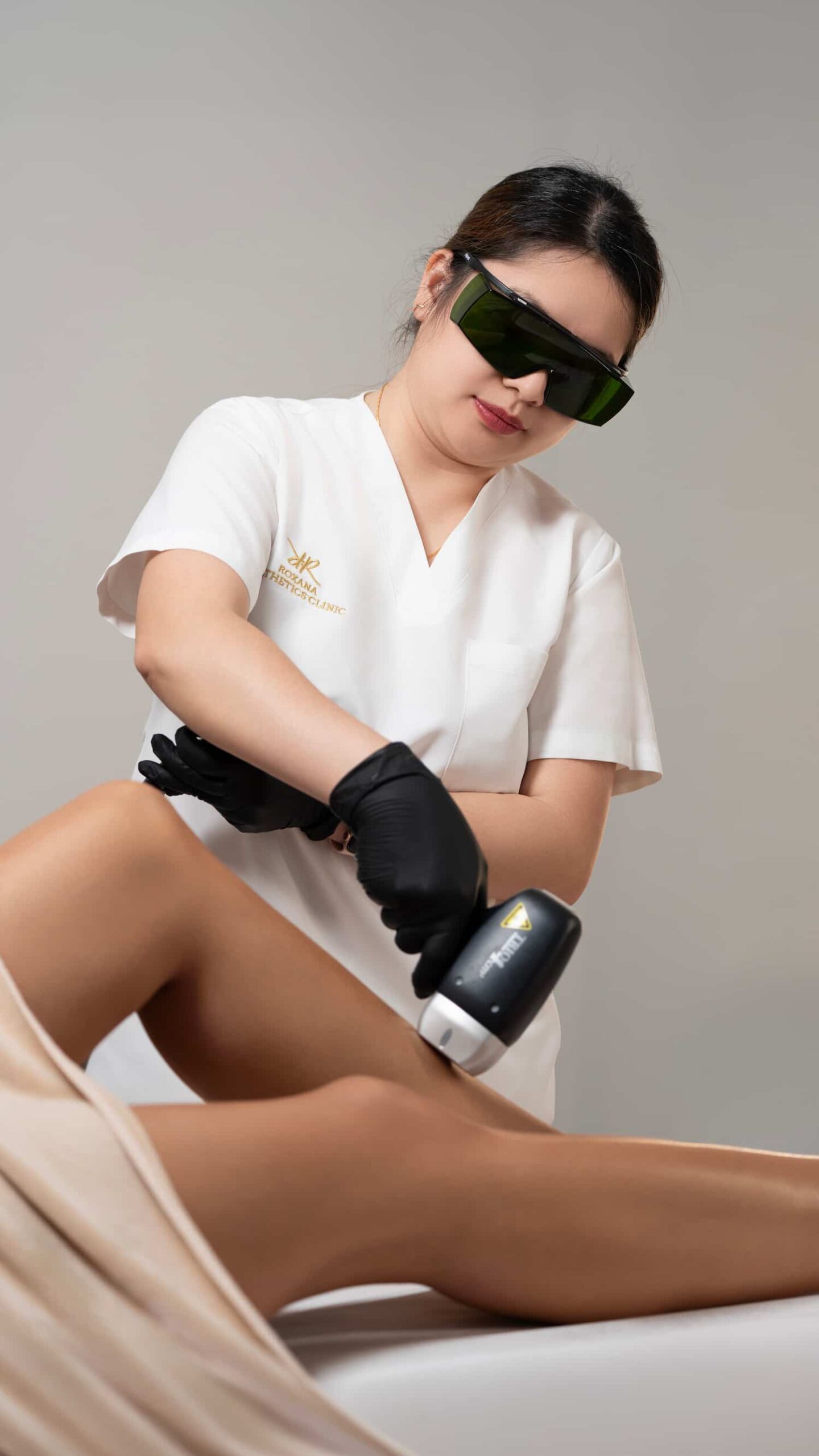
- Laser Treatments: Reduce inflammation and bacteria.
- Professional Extraction: Safely removes large cysts or blackheads.
Preventing Back Acne
Prevention is just as important as treatment. Follow these tips to maintain clear skin:
- Shower after workouts or sweating
- Exfoliate gently once or twice a week
- Use non-comedogenic body care products
- Change bed linens regularly
- Avoid sharing towels or clothes
When to See a Dermatologist
If back acne is severe, painful, or leaving scars, consulting a dermatologist is recommended. They can provide personalized treatments and guidance for long-term results.