When it comes to skincare, many people often confuse skin texture and skin tone. While both play a vital role in the overall appearance of your skin, they refer to different aspects. Understanding these differences is essential for maintaining healthy, radiant skin and choosing the right skincare routine.
What is Skin Texture?
Skin texture refers to the surface quality of your skin—how it feels and looks. It can be smooth, rough, bumpy, or lined. Texture is influenced by factors like the size of your pores, the presence of fine lines or wrinkles, scarring from acne or injuries, and the buildup of dead skin cells.
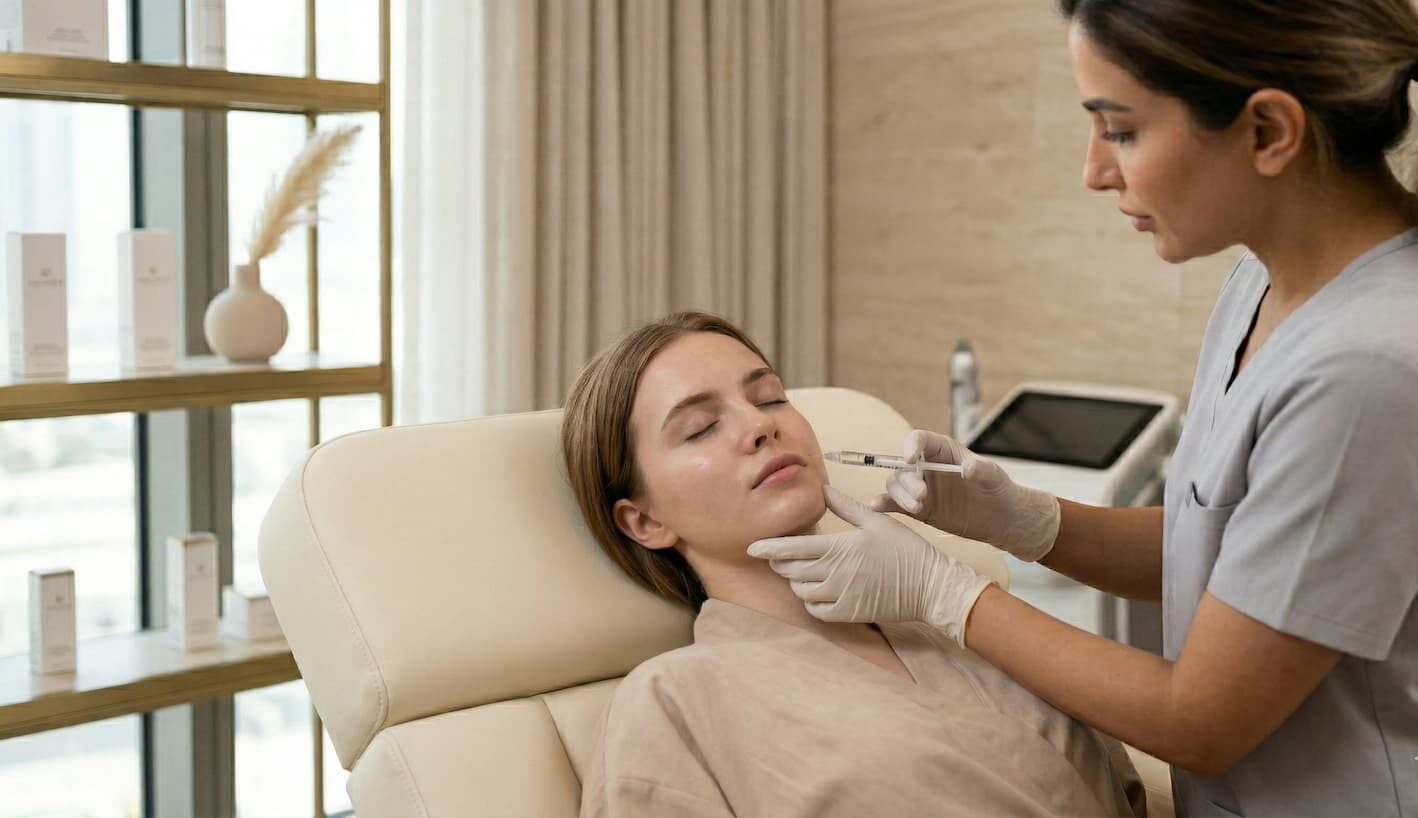
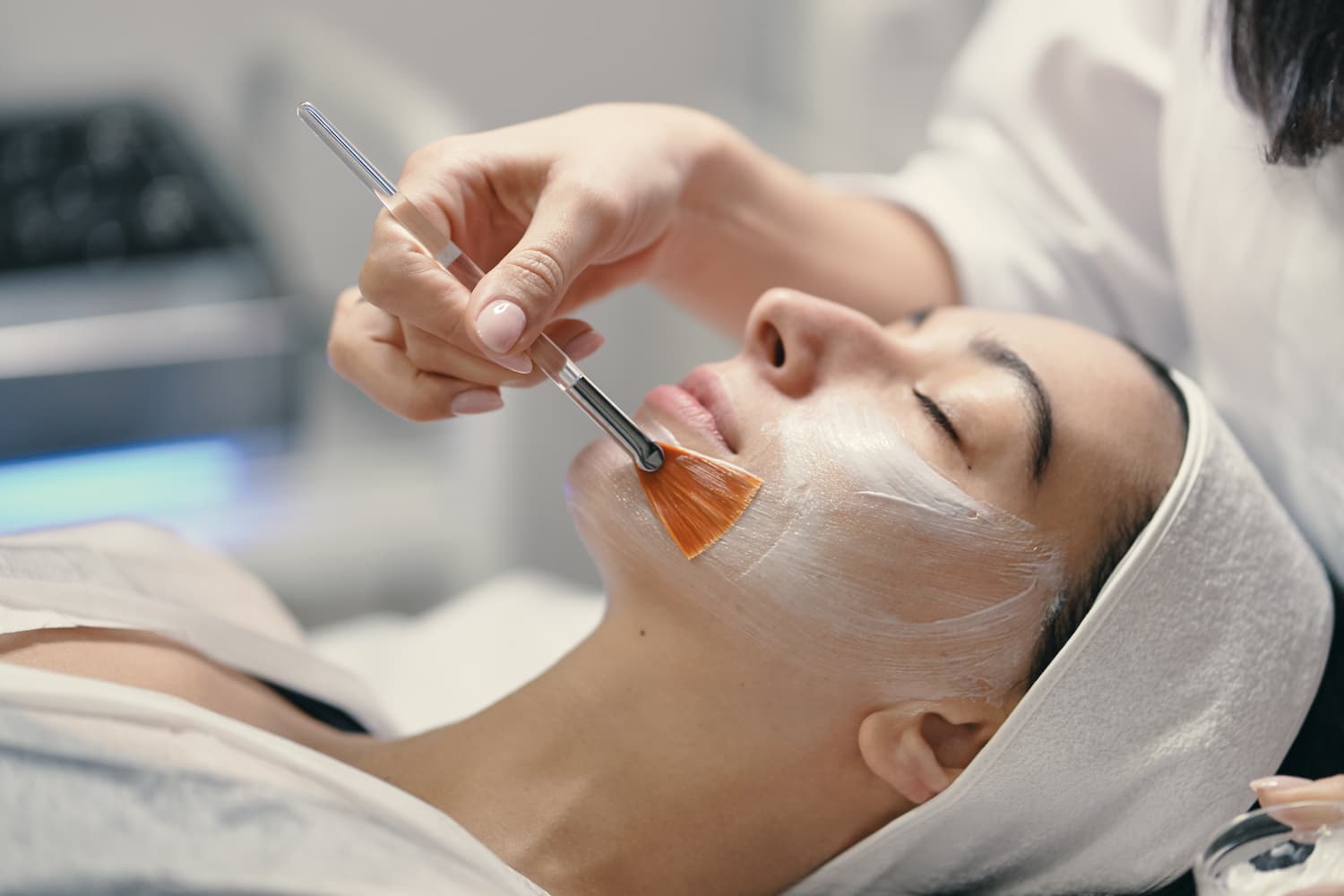
Common concerns related to skin texture include roughness, uneven surfaces, dryness, and fine lines. Improving skin texture generally involves keeping the skin hydrated, exfoliating regularly, and using gentle skincare products. Professional treatments like chemical peels or microneedling can also help smooth out uneven areas.
What is Skin Tone?
On the other hand, skin tone refers to the natural color of your skin, which is determined primarily by melanin. Skin tone can vary widely and is often categorized as fair, medium, olive, or deep, with undertones that can be warm, cool, or neutral.
Skin tone concerns typically involve uneven pigmentation, dark spots, redness, dullness, or areas that are lighter or darker than the surrounding skin. Maintaining an even skin tone requires protecting the skin from sun exposure, using brightening ingredients, and avoiding products that may cause irritation. Professional treatments, such as laser therapy or chemical peels, can also help correct persistent pigmentation issues.
Key Differences Between Skin Texture and Skin Tone
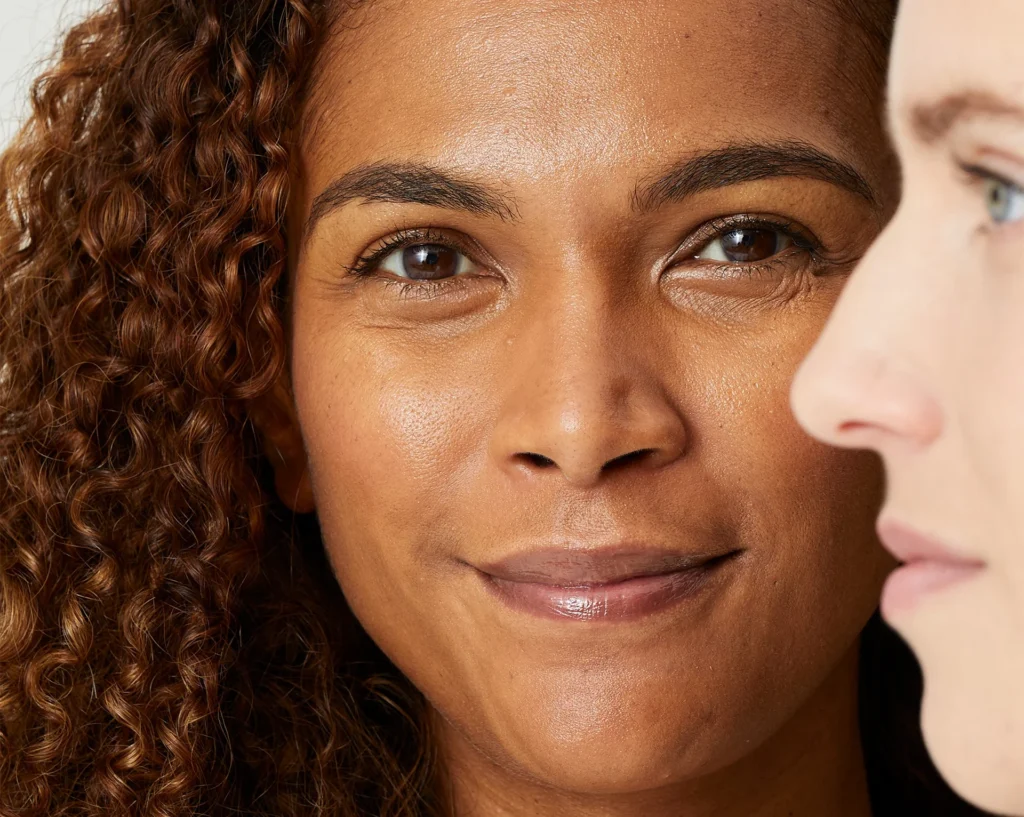
Although skin texture and skin tone work together to define your skin’s overall appearance, they are distinct concepts. Texture is about the surface quality of your skin—how smooth, rough, or even it feels—while tone refers to the color and uniformity of your skin.
Issues with skin texture do not necessarily affect skin tone, and problems with skin tone may not impact texture. For example, you may have smooth skin that still has uneven pigmentation, or rough skin that has an even color. Understanding these differences is important for selecting the right skincare products and treatments.
How to Improve Skin Texture
Improving skin texture focuses on making the surface of your skin smooth and even. Here are some practical tips:
- Exfoliate Regularly: Remove dead skin cells using gentle exfoliants to reveal fresher, smoother skin.
- Hydrate Well: Moisturizers and serums with hydrating ingredients like hyaluronic acid can improve softness.
- Protect from Sun Damage: UV exposure can worsen roughness and accelerate aging, so daily sunscreen use is essential.
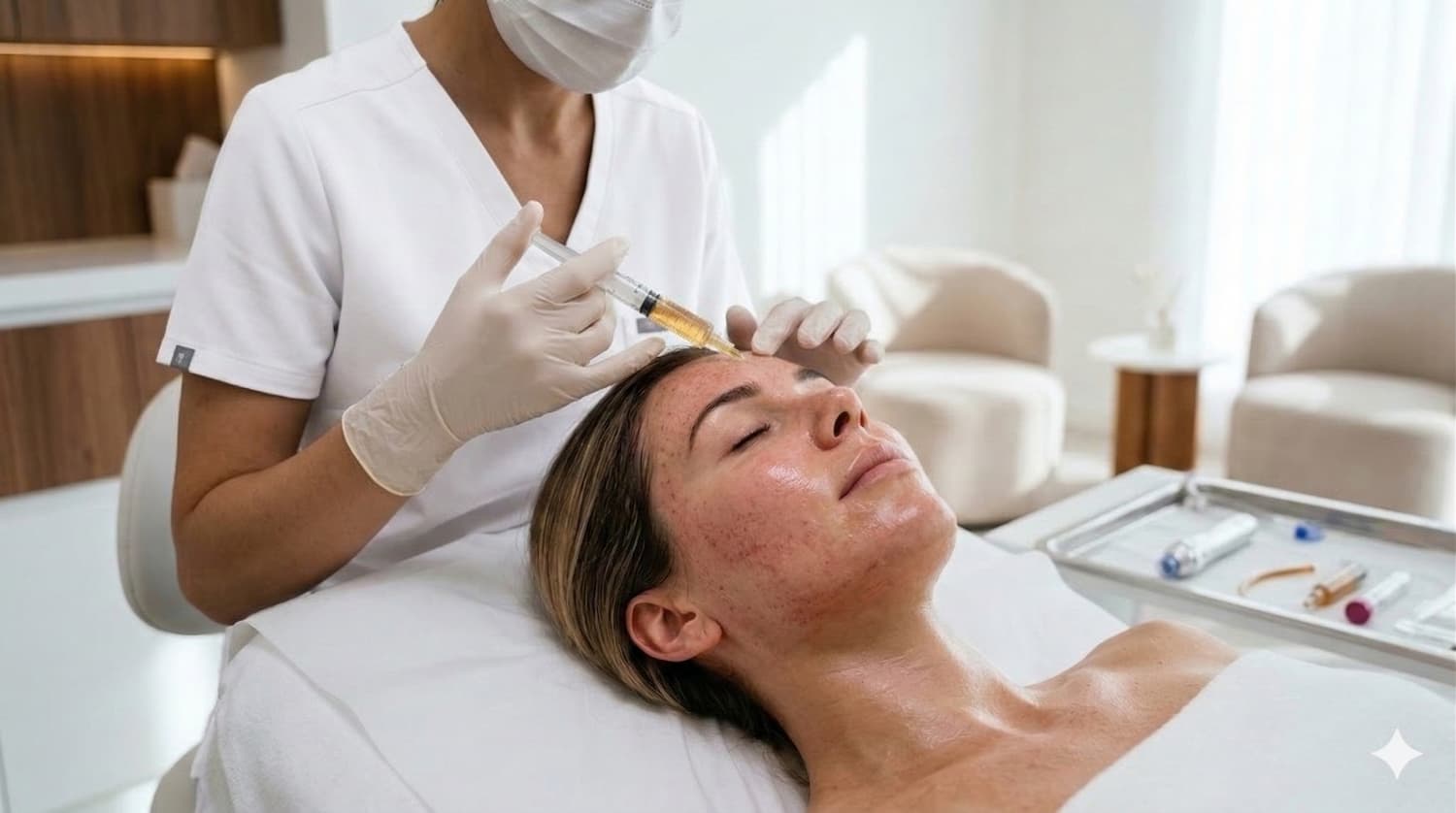
- Treat Blemishes and Scars: Professional treatments like microneedling, chemical peels, or laser therapy can help reduce scarring and uneven texture.
How to Improve Skin Tone
Maintaining an even skin tone involves addressing pigmentation and color consistency. Consider the following strategies:
- Use Sunscreen Daily: Protecting your skin from harmful UV rays prevents dark spots and uneven pigmentation.
- Incorporate Brightening Ingredients: Products containing Vitamin C, niacinamide, or natural extracts can help even out skin tone.
- Avoid Harsh Skincare Products: Irritation can increase redness or discoloration, so gentle products are key.
- Seek Professional Treatments if Needed: Dermatologists can offer treatments like laser therapy or chemical peels to improve persistent pigmentation issues.
The Connection Between Skin Texture and Skin Tone
Even though skin texture and skin tone are separate, they often influence each other. Uneven texture can make pigmentation issues more noticeable, while irregular skin tone can draw attention to bumps, scars, or lines. A comprehensive skincare routine addresses both aspects to achieve radiant, healthy skin.