Skin aging is a natural process that affects everyone, but men and women experience it differently. Men’s skin has unique structural and hormonal characteristics that influence how it ages over time. Understanding these differences can help men take better care of their skin and adopt effective strategies to maintain a healthy, youthful appearance for longer.
Structural Differences in Men’s Skin
One of the main reasons men’s skin ages differently is its structure. Men generally have thicker skin than women due to higher collagen density. Collagen is responsible for skin firmness and elasticity, which means men often develop visible signs of aging later in life.
However, once collagen breakdown begins, it tends to occur more rapidly in men. This can lead to sudden changes such as deeper wrinkles and noticeable sagging over a shorter period. While men may enjoy firmer skin earlier on, aging signs can appear more dramatically if proper care is not maintained.
The Role of Hormones
Testosterone plays a significant role in men’s skin characteristics. This hormone increases oil production, making men’s skin naturally oilier. While this can provide some protection against dryness in younger years, excess oil can lead to clogged pores, enlarged pores, and acne.
As men age, testosterone levels gradually decline. This hormonal shift affects skin thickness, elasticity, and moisture retention, contributing to dryness, fine lines, and loss of firmness. These changes often become more noticeable with age if skincare routines are neglected.
Facial Hair and Its Impact on Aging
Facial hair and regular shaving also influence how men’s skin ages. Shaving acts as a form of physical exfoliation, removing dead skin cells and encouraging skin renewal. This can be beneficial when done correctly.
However, frequent shaving can also cause irritation, sensitivity, ingrown hairs, and micro-cuts. Over time, repeated irritation may weaken the skin barrier and accelerate signs of aging, particularly around the jawline and neck.
Lifestyle Factors That Affect Men’s Skin Aging
Men are often more exposed to environmental and lifestyle factors that contribute to skin aging. Prolonged sun exposure without adequate protection is one of the leading causes of premature aging. UV rays break down collagen and elastin, leading to wrinkles, pigmentation, and rough texture.
Stress, lack of sleep, smoking, alcohol consumption, and poor diet also play a role. These factors reduce oxygen supply to the skin, increase inflammation, and slow down the natural repair process, making aging signs more visible over time.
Common Signs of Aging in Men’s Skin
Men typically experience aging differently in terms of where and how it appears. Common signs include:
- Deep forehead lines and frown lines
- Sagging around the eyes and jawline
- Enlarged pores and uneven texture
- Dull, tired-looking skin
- Increased dryness with age
These changes often become more pronounced due to thicker skin losing collagen more abruptly.
What Men Can Do to Slow Skin Aging
While aging cannot be stopped, it can be managed effectively with the right skincare and lifestyle habits. The key is consistency and prevention rather than correction.
1. Cleansing Properly
Men should cleanse their skin twice daily to remove oil, sweat, and environmental impurities. Using a gentle cleanser helps maintain the skin barrier without stripping natural oils.
2. Moisturizing Daily
Moisturizing is essential for maintaining skin elasticity and hydration. Even oily skin benefits from lightweight, non-greasy moisturizers that balance oil production and prevent dehydration.
3. Sun Protection Is Essential
Daily sunscreen use is one of the most effective ways to prevent premature aging. Broad-spectrum sun protection helps protect collagen and reduces the risk of pigmentation and deep wrinkles.
4. Use Targeted Skincare Products
Incorporating products with ingredients that support skin renewal and firmness can make a noticeable difference. Gradual introduction of active ingredients helps improve texture, tone, and elasticity over time.
5. Maintain a Healthy Lifestyle
A balanced diet, regular exercise, proper hydration, and adequate sleep all support skin health. Reducing smoking and excessive alcohol intake also helps slow visible aging.
Professional Skincare Treatments for Men
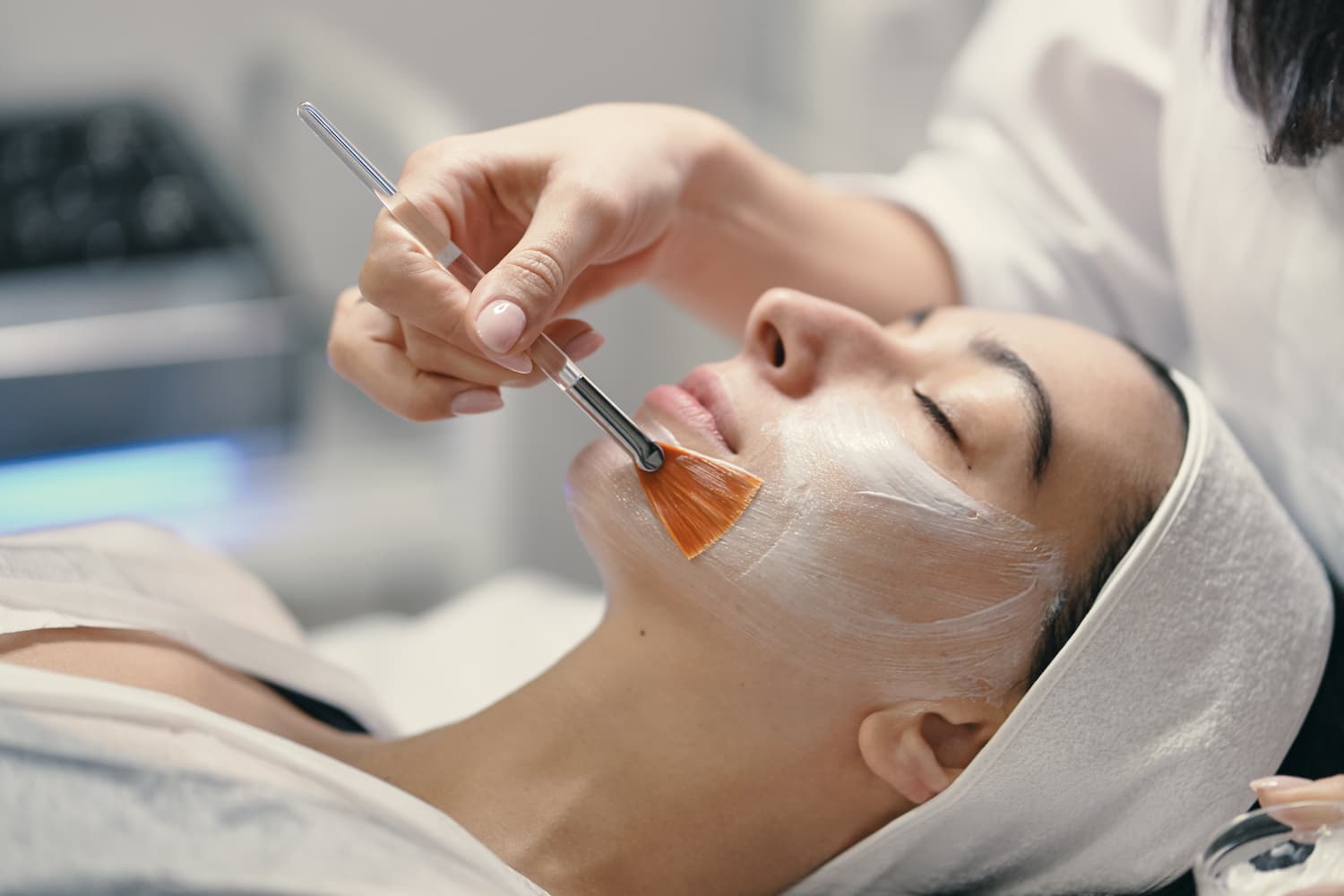
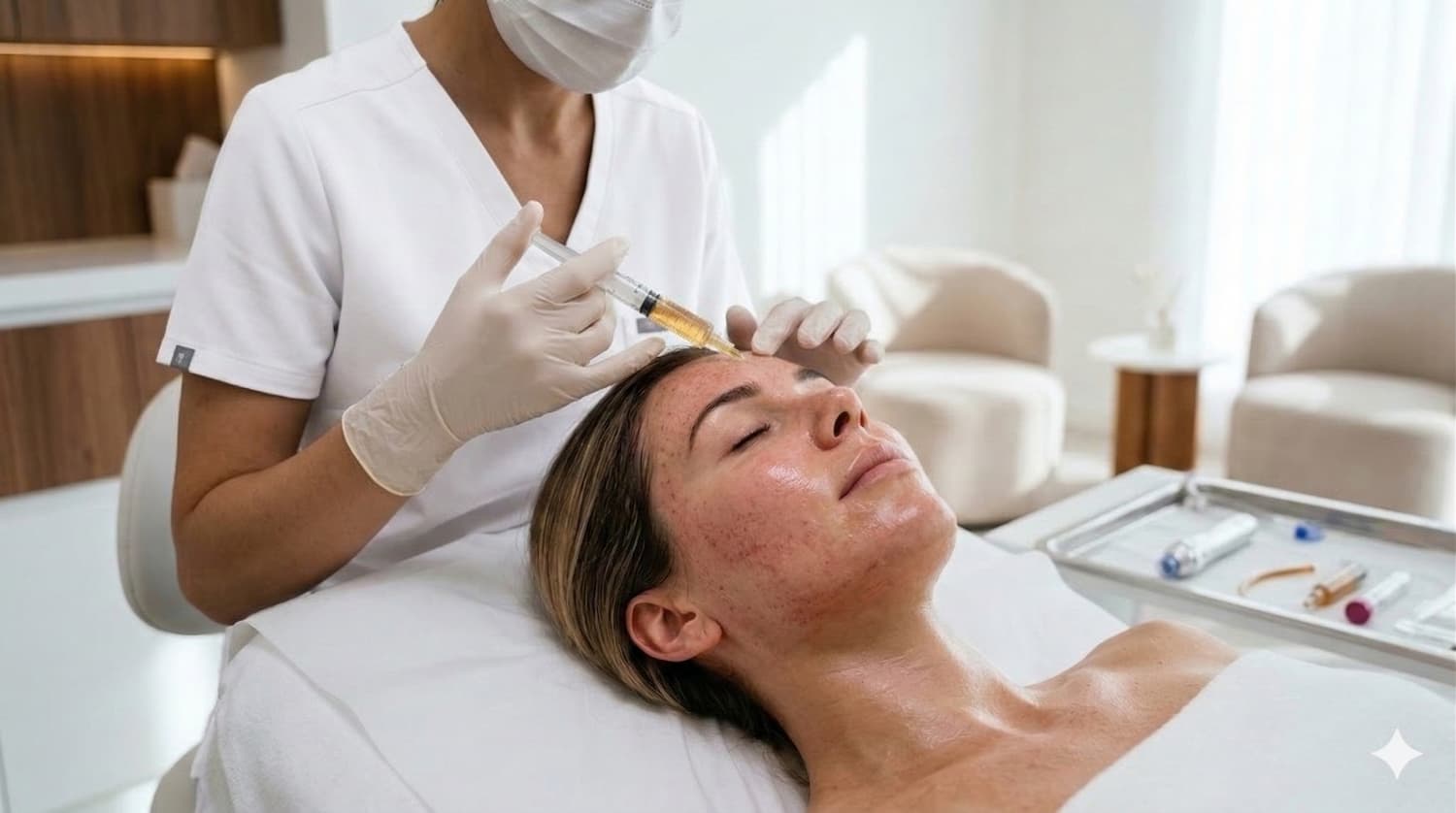
In addition to daily skincare routines, professional treatments can help address specific concerns such as fine lines, uneven texture, and loss of firmness. These treatments support collagen production, improve skin quality, and provide long-term benefits when combined with proper aftercare.
Men are increasingly seeking professional skin treatments as part of a proactive approach to aging, focusing on natural-looking results and skin health rather than drastic changes.
Men’s skin ages differently due to structural, hormonal, and lifestyle factors. While thicker skin and higher collagen levels offer early advantages, the aging process can become more noticeable without proper care.
By understanding how their skin works and adopting a consistent skincare routine, men can protect their skin, slow visible aging, and maintain a healthier, more youthful appearance. Taking action early and making skin care a priority can lead to long-term benefits and improved confidence at any age.