You have committed to the sessions. You have shown up on time, followed the prep instructions, and endured the discomfort. But weeks later, the hair is back — and you are left wondering whether laser hair removal even works at all.
The short answer is yes, it does. When performed correctly, with the right technology and a tailored approach, the results can be genuinely transformative. But there are real, specific reasons why laser hair removal results fall short — and understanding them is the first step toward actually fixing the problem.
At Roxana Aesthetics Clinic, we see clients regularly who have had disappointing experiences elsewhere. More often than not, the issue is not with the person. It is with the process.
The Hair Growth Cycle Is the Starting Point
Laser hair removal works by targeting the pigment in the hair follicle with concentrated light energy, disabling its ability to regrow. But here is the thing most people are not fully told upfront: the laser can only effectively destroy a follicle during its active growth phase, known as the anagen phase.
At any given time, only a portion of your hair follicles are in this phase. The rest are either resting or shedding. This is precisely why multiple laser hair removal sessions are required — not because the treatment is ineffective, but because biology demands patience.
The general recommendation for most body areas is six to eight sessions, spaced four to eight weeks apart depending on the treatment zone. Skipping sessions, delaying them significantly, or stopping too early because you have noticed some reduction can all lead to incomplete results and frustrating regrowth.
Wrong Technology for Your Skin Type
This is where a lot of clinics quietly get it wrong. Not all lasers are created equal, and not all lasers suit all skin types. The most commonly used laser types include Alexandrite, Nd:YAG, Diode, and IPL (Intense Pulsed Light). Each has a different wavelength, which means it interacts differently depending on your laser hair removal skin type and hair colour.
For example, IPL — which is technically not a true laser but a broad-spectrum light system — tends to be less precise and less effective on darker skin tones. It can also underperform on fine or light-coloured hair. Using the wrong device for your skin type not only reduces effectiveness but can also increase the risk of burns, hyperpigmentation, or inconsistent results.
If a clinic is using a one-size-fits-all approach without assessing your Fitzpatrick skin type and hair characteristics, that alone could explain why you are not seeing progress. A proper consultation should involve a thorough skin assessment before any treatment plan is drawn up.
Undertrained Technicians and Inconsistent Settings
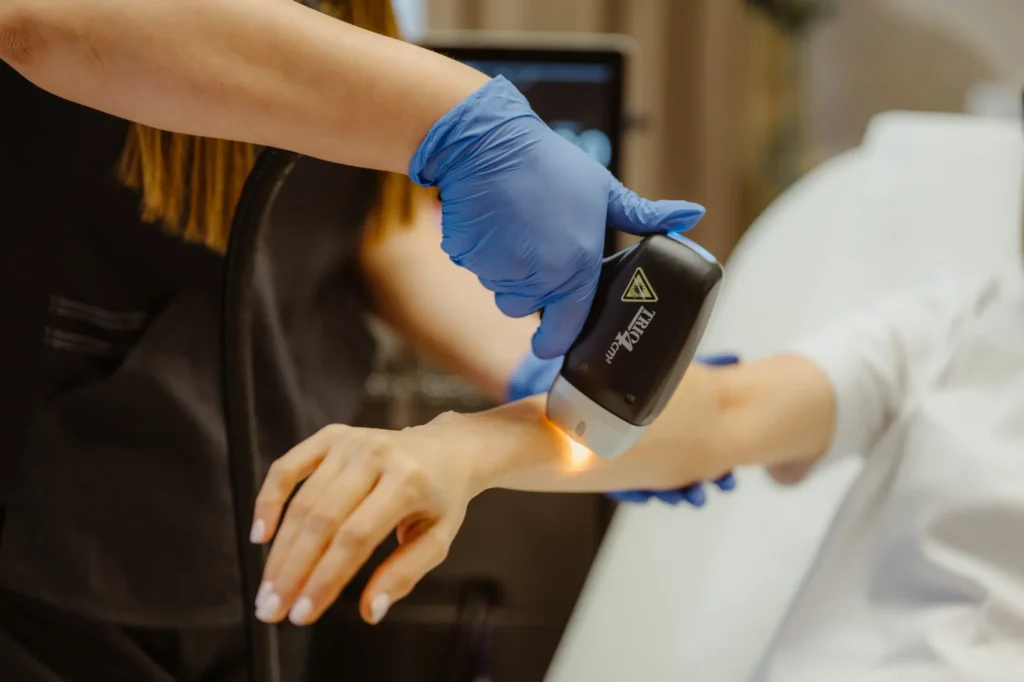
Laser hair removal is not a press-and-go procedure. The settings — fluence (energy level), pulse duration, and spot size — need to be calibrated based on your skin tone, hair density, hair colour, and the body area being treated. Getting this wrong in either direction is a problem.
If the energy is too low to avoid side effects or discomfort, it simply will not be effective. If it is too high and not appropriate for your skin, it can cause damage. Proper professional laser hair removal in Dubai and elsewhere should be delivered by trained practitioners who understand how to adjust parameters session by session as the hair thins out.
This is a skill and a science, not just a technical process. And it is something that is easy to underestimate when booking based on price alone.
Sun Exposure, Hormonal Factors, and Medications
Sometimes the reason laser hair removal results are inconsistent is entirely outside the clinic. Several factors can interfere with treatment effectiveness or cause regrowth after what seemed like a successful course.
Sun exposure before or after laser hair removal sessions is a significant issue. A tan — whether from the sun or a sunbed — increases the melanin in the skin, which changes how the laser targets tissue and increases the risk of adverse effects. Most clinics will advise avoiding sun exposure for at least four weeks before and after treatment.
Hormonal imbalances are another frequently overlooked cause of laser hair removal not working as expected. Conditions such as polycystic ovary syndrome (PCOS), thyroid disorders, or changes related to pregnancy and menopause can all stimulate hair growth through hormonal pathways that laser treatment cannot address. In these cases, hair may regrow even after successful follicle destruction because new follicles are being activated by hormonal signals.
Certain medications, including some hormone therapies and photosensitising drugs, can also affect treatment outcomes. It is important to disclose your full medical history and current medications to your practitioner before starting a course of laser hair removal sessions.
Are You Being Honest About the Preparation?
Pre-treatment preparation matters more than most people realise. Shaving the area 24 to 48 hours before your appointment is typically required so the laser energy travels down the hair shaft into the follicle rather than burning surface hair. Waxing, plucking, or threading in the weeks before a session removes the hair root that the laser needs to target, rendering the treatment far less effective.
Applying certain topical products such as retinoids or exfoliating acids close to your session can also make the skin more sensitive and interfere with the process. If your pre-treatment routine has been inconsistent, it may be contributing to uneven results across different areas of the body.
What to Do If You Have Already Had Disappointing Results
The good news is that most people who have experienced unsatisfactory laser hair removal results are not out of options. A reassessment with a properly qualified practitioner can identify what went wrong and whether a revised treatment plan is likely to help.
At Roxana Aesthetics Clinic, every client who comes to us after a disappointing experience elsewhere goes through a detailed consultation. We assess the skin type, review the treatment history, evaluate the current hair situation, and discuss realistic expectations based on individual factors such as hair colour, skin tone, and any underlying hormonal concerns.
In some cases, switching to a more appropriate laser technology for the specific skin type makes an immediate difference. In others, simply completing the full recommended course of laser hair removal sessions — with the correct settings and proper aftercare — is enough to achieve the results the client was originally hoping for.
Setting Realistic Expectations
It is also worth being honest about what laser hair removal can and cannot do. The term “permanent hair removal” is used loosely across the industry. What is more accurate is “permanent hair reduction” — a significant, long-lasting reduction in hair density and thickness that, for most people, requires occasional maintenance sessions over the years.
Factors such as light or fine hair, hormonal activity, and certain skin conditions may mean that results are more modest than those seen in marketing materials. A trustworthy clinic will tell you this upfront rather than making promises that set unrealistic expectations.
Laser hair removal skin type suitability also plays a long-term role. Darker skin tones have historically seen more variable results due to the difficulty of distinguishing between skin and hair pigment, but advances in Nd:YAG technology have significantly improved outcomes for these clients when treatment is done correctly.
Why Choosing the Right Clinic Matters
The difference between a clinic that delivers consistent professional laser hair removal results and one that does not often comes down to three things: the quality of the technology, the skill and training of the practitioners, and the depth of the initial consultation.
Bargain deals and walk-in appointments with minimal consultation are warning signs. Effective laser hair removal is a clinical process that should be tailored to the individual, tracked over time, and adjusted based on your response to treatment.
If you are based in Dubai and have had unsatisfying experiences with laser hair removal elsewhere, it may simply be a matter of finding a clinic that approaches treatment with the level of care and precision it actually requires.
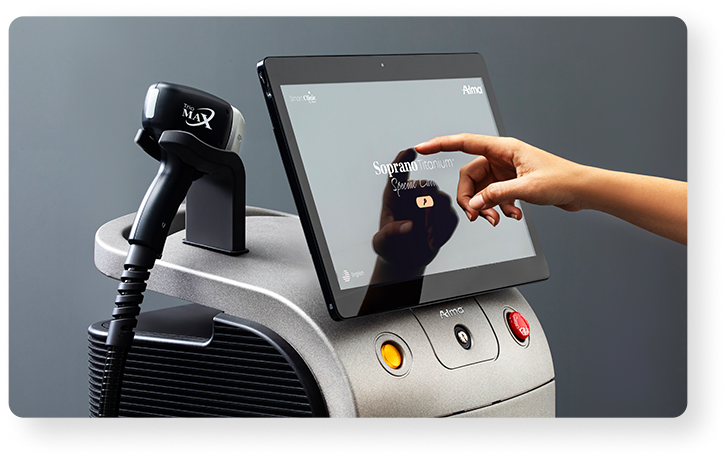
At Roxana Aesthetics Clinic, we combine advanced laser technology – Soprano Titanium with personalised treatment protocols to deliver results that actually last. Whether you are starting from scratch or looking to correct a previous course of treatment, our team is here to give you an honest assessment and a clear path forward.