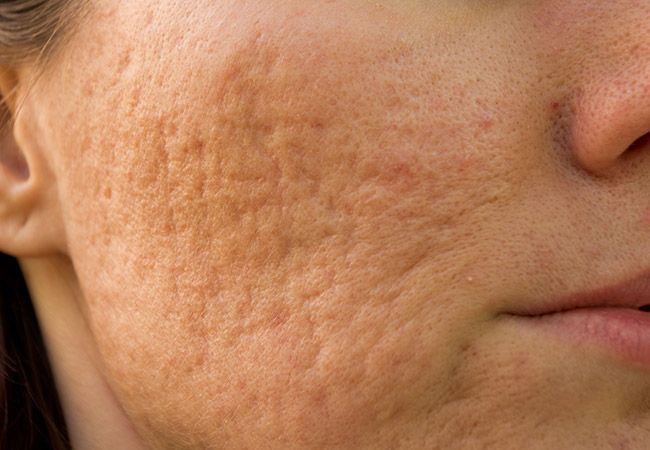

Nithya is an injectable product based on type I equine collagen, used in selected skin-quality treatments. It is different from hyaluronic acid filler and should not be chosen simply because both involve injections. Suitability, treatment area and the number of sessions require an individual assessment and the current product instructions. It is not a substitute for surgery when substantial excess skin is the main concern.
What is in Nithya?
The manufacturer’s instructions for Nithya identify sterile type I collagen of equine origin. This is an important detail for anyone with relevant allergies or preferences concerning animal-derived products. “Collagen treatment” alone does not tell you the source or composition.
Ask which Nithya presentation is being proposed and request the current instructions applicable to it. The online manufacturer document is useful background, but the clinician should check the supplied product and local requirements rather than relying on a general description.
How does it differ from filler or a skin booster?
These terms describe overlapping aesthetic conversations, but not interchangeable products. A consultation should first distinguish surface skin quality from loss of facial volume, movement-related lines and substantial laxity. That distinction affects which options are reasonable.
Nithya is positioned for skin-quality and connective-tissue support. A hyaluronic acid filler may be selected for a different structural purpose, while a skin booster is a broad category whose composition must be specified. Ask the clinician what change is realistically expected from the exact product, rather than comparing treatments only by the number of injections.
For background, Roxana provides separate information on Nithya collagen treatment and skin boosters. These are starting points for a discussion, not evidence that one option is best for everyone.
Who might consider it?
A useful candidate discussion starts with a defined concern: fine texture, reduced elasticity or early skin-quality changes. Describe where the concern appears and whether you notice it at rest, in movement or only under certain lighting. Bring photographs if they help explain the change, but avoid comparing your skin with filtered images.
Ask the clinician to identify what the treatment is unlikely to change. If the main issue is a hollow, a heavy fold or a large amount of excess skin, a skin-quality injectable may not meet your expectations. The option to leave the area untreated should remain part of the conversation.
Who should avoid or postpone treatment?
The manufacturer’s instructions list contraindications and restrictions, including collagen hypersensitivity, pregnancy or breastfeeding, and treatment over inflamed or infected skin. They also specify that the product should not be injected in the periorbital area. These restrictions matter even when a broad marketing description mentions the face generally. Read the manufacturer instructions.
Disclose your medical history, previous injectables, medicines, allergies and any tendency to abnormal scarring. Ask about the timing of recent lasers or peels. Do not assume that combining appointments is appropriate because the treatments are each offered separately.
How many sessions are needed?
Roxana’s current Nithya service page describes a typical course of two to three sessions spaced a few weeks apart. This is a clinic-published outline, not a prescription or a guarantee. Your clinician should confirm the plan against the exact product instructions, area and response.
Agree on a review before committing to maintenance. Ask when photographs will be compared and what would justify another session. An initially fuller appearance is not, on its own, proof of a lasting change in skin quality.
| Stage | What to establish |
|---|---|
| Assessment | Main concern, suitability and realistic limits |
| Before treatment | Exact product, source, planned area and consent |
| Initial course | Number and spacing proposed by the clinician |
| Review | Whether the result is meaningful after recovery |
| Maintenance decision | Whether further treatment is justified at all |
What recovery and risks should you discuss?
Ask for a written aftercare plan that fits the product and treatment area. Potential problems in the manufacturer’s information include bruising, nodules and hypersensitivity; collagen injections also carry more serious potential complications. The consultation should cover both common temporary effects and less common problems, rather than describing the treatment as having no risk.
Clarify whom to contact if a lump, persistent inflammation or an unexpected change develops. Seek urgent medical assessment for severe pain, unusual skin discolouration or visual symptoms after an injectable procedure. Do not try to massage or treat a suspected complication without professional advice.
Why collagen source and formulation matter
The word collagen can describe a normal component of skin, an ingredient in a topical product, an oral supplement or an injectable preparation. These are different interventions. Evidence or experience with a cream cannot be used to establish the benefits or risks of a collagen injection.
For Nithya, the source is particularly relevant because the manufacturer identifies equine-derived type I collagen. Ask how this fits your medical history and any preferences concerning animal-derived material. The clinician should make that information clear before consent, rather than expecting you to infer it from a brand name.
Also distinguish Nithya from products that stimulate collagen through different ingredients. Sharing a broad treatment goal does not make the products interchangeable. Their instructions, treatment areas, contraindications and management of complications may differ.
If you have had previous injectables, bring the details where possible. Product names, dates and areas help the clinician assess the whole history. A description such as “something for collagen” is less useful than a treatment record, but you should still disclose it if that is all you know.
Skin quality, facial volume and lifting are separate goals
A useful treatment plan identifies the feature you want to change. Skin quality might refer to fine texture or a thin-looking surface. Volume refers to fullness and contour. Lifting implies a change in tissue position. These goals can overlap in appearance, but they should not be used as synonyms.
Consider an illustrative person who is concerned about a hollow cheek. A skin-quality injectable may not address the desired contour in the way they expect. Another person may like their facial shape and want only a subtle change in fine texture. The same product recommendation should not be assumed to fit both without examination.
Ask the clinician to show you the area they intend to treat and describe the expected result in ordinary language. “Support” and “biostimulation” are broad terms; they should be translated into a realistic visible or functional goal. Also ask which features will probably remain unchanged.
This discussion helps prevent disappointment from a technically successful procedure that was chosen for the wrong expectation. The question is not merely whether treatment can be performed, but whether its likely effect matches what matters to you.
Understanding the initial course
A proposed course should state why more than one appointment is being considered. Is the clinician planning a staged approach, assessing tolerance before continuing, or following a product-specific protocol? The answer should be linked to the actual preparation and your assessment.
Ask whether the plan is provisional or fixed. A provisional plan can change if your skin response, health or priorities change. Paying for several sessions should not remove the clinician’s ability to advise against a later appointment when circumstances differ.
The intervals also need an explanation. Do not compress them to fit a holiday or an event without clinical agreement. Treatment scheduling should follow the relevant instructions and assessment rather than an assumption that a quicker course produces quicker lasting results.
Request the review date separately from the next injection date. An assessment of response does not always need to end with another treatment. It can confirm that waiting, stopping or changing the approach is more appropriate.
How to recognise an informative results review
Before treatment, agree on the main concern and how it will be documented. Photographs should use comparable lighting, angle and facial expression. If skin texture is the goal, a change in camera distance or makeup can make comparison difficult.
Avoid relying entirely on the immediate appearance after an injection. Early visible change can include effects that do not represent the final outcome. Ask the clinician when they expect the result to be meaningfully assessed for the protocol being used.
At review, discuss comfort and any unwanted changes as well as appearance. A small improvement may be worthwhile to one person and insufficient to another. Your own priorities should help determine whether the result justifies further treatment.
If the benefit is unclear, ask what information would resolve the uncertainty. Another injection is not automatically the best way to find out. A period of observation, standardised photographs or reconsideration of the original goal may be more useful.
Planning Nithya around other procedures
Aesthetic treatments should be coordinated as one plan when they affect the same area. Tell the clinician about peels, lasers, microneedling and other injectables, including appointments booked elsewhere. The relevant question is not whether each procedure is available, but whether their sequence is appropriate.
The manufacturer’s instructions include restrictions concerning inflamed skin and association with certain procedures. This is why a generic “combination rejuvenation package” should not replace product-specific planning. The clinician must check the current instructions for the supplied preparation and the condition of your skin.
If you are seeing different practitioners, request a written record to share. It should identify what was used, where and when. Coordination becomes especially important when a provider is considering treatment in an area with a recent procedure or an unresolved reaction.
Do not attempt to solve a disappointing result by immediately booking a different injectable elsewhere. Have the original area assessed, explain what concerns you and obtain the relevant records. A new procedure can complicate an issue that first needs diagnosis.
What an aftercare plan should contain
An aftercare sheet should be specific enough that you know what to do at home. It should explain the products or activities to avoid, when normal care can resume and how to contact the team. If the clinic advises any local care, ask for a clear demonstration and the reason for it.
Do not borrow massage instructions from a different collagen-stimulating product. Similar marketing language does not make aftercare identical. Follow the instructions for your exact procedure and seek advice before trying to correct a lump or irregularity yourself.
Ask what temporary changes are expected and which changes should prompt contact. A useful explanation distinguishes ordinary monitoring from symptoms requiring prompt assessment. If you are uncertain whether a change fits the expected course, contact the clinic rather than waiting for a scheduled review.
Visitors should confirm how follow-up works after leaving Dubai. Obtain the product and treatment details before travelling. An emergency contact route and a clear handover record are more useful than a promise that complications are unlikely.
Comparing a Nithya proposal with alternatives
Ask for the reason Nithya is being considered instead of another treatment category. The answer might relate to the assessed concern and the clinician’s judgement, but should not rely on the assumption that newer or more complex treatment is always better.
A fair comparison includes likely benefit, uncertainty, recovery, risks, repeat appointments and total cost. For some concerns, skin care or another procedure may be more relevant. For substantial excess skin, a surgical opinion may answer a question that a skin-quality injectable cannot.
Also compare the option of no treatment. You may decide that a subtle possible improvement is not worth the injections or ongoing cost. That is a valid preference, not a failure to understand aesthetic care.
Avoid seeking an exact longevity promise before your response is known. Ask instead how the clinician will decide whether the result remains useful and what evidence would justify maintenance. The goal is a reviewable plan rather than an indefinite subscription to a product.
A final preparation list for your appointment
Bring your medication and supplement list, allergy history, previous injection records and the dates of important events. If you have had a reaction to any procedure, explain what happened and how it was managed, even if the product was different.
Write down the main change you want and one thing you want preserved, such as your existing facial shape. This helps the clinician understand the boundary between your goal and an outcome you would dislike. Clear preferences are more useful than a general request to look younger.
Before consenting, make sure you can explain the plan back in your own words: the exact product, area, intended benefit, limitations, initial course and contact arrangements. If any part remains unclear, ask for clarification before treatment. You should leave with a decision based on the actual proposal rather than the appeal of the phrase “collagen booster”.
How should you prepare for the decision?
Ask for a written quote that separates the initial course from optional maintenance. Confirm whether reviews are included and what happens if treatment is deferred. This helps you compare plans without letting a package price determine the treatment schedule.
If you would like to discuss Nithya in Dubai, book a consultation with Roxana. The aim should be a proportionate plan for your concern, with the product’s origin, limitations and safety requirements explained before you decide.
General educational information; individual assessment and current product instructions take precedence.