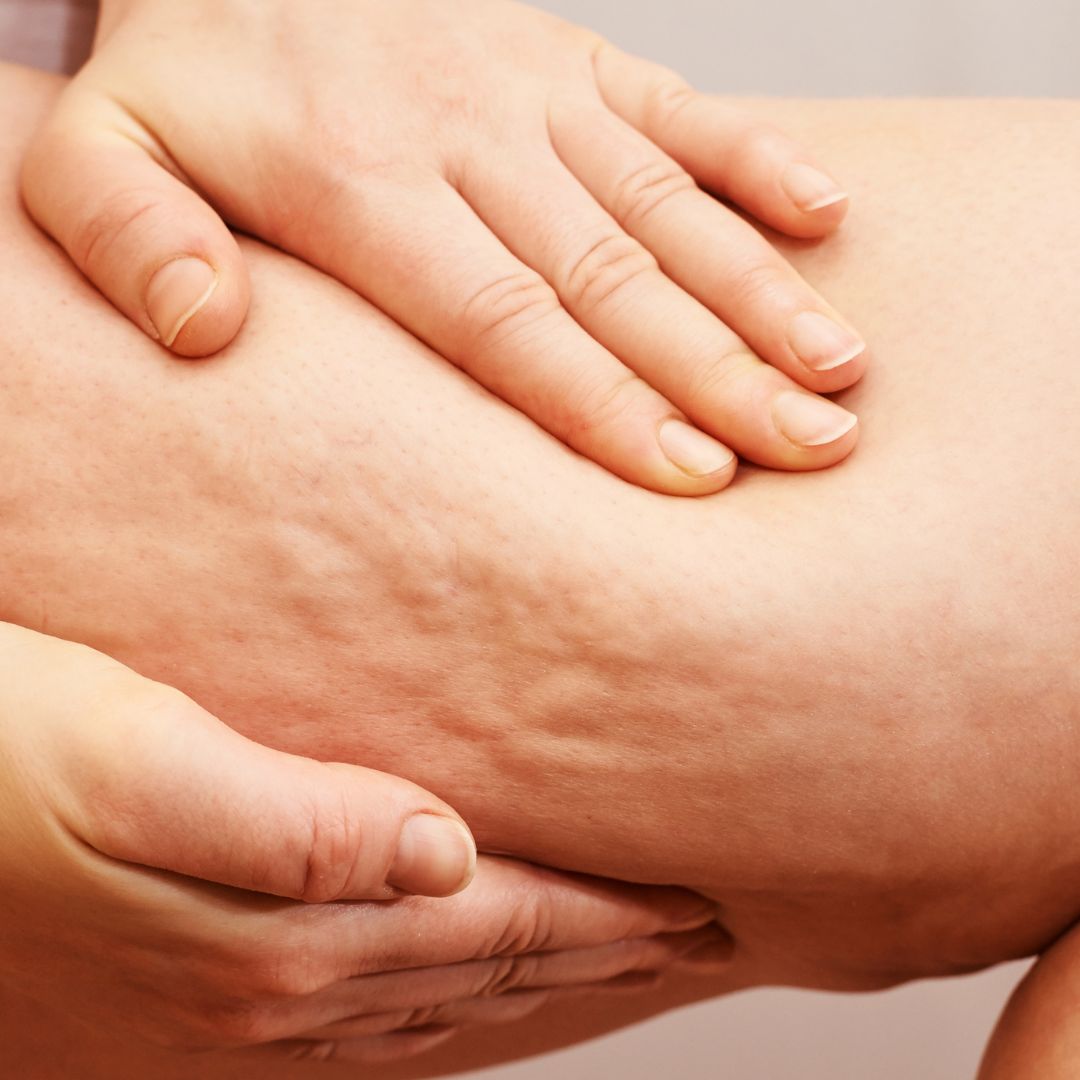

Conventional microneedling and Morpheus8 Pro are different treatment choices. Microneedling creates controlled punctures in the skin; radiofrequency microneedling also delivers heat. Neither is automatically better for visible pores, and adding energy introduces additional considerations. For loose skin, the degree and cause of laxity matter more than choosing the more intensive-sounding device.
What is the main difference?
Conventional microneedling uses needles without radiofrequency energy. RF microneedling combines needling with controlled heating. Device, applicator, treatment depth and operator decisions all matter, so “RF microneedling” is not a single identical procedure wherever it is performed.
The FDA’s microneedling overview explains that authorisations are specific to devices and uses. Do not interpret a broad clearance claim as approval for every body area, setting or combination treatment.
Roxana lists both microneedling and Morpheus8 Pro. Ask the clinic to identify the exact system and applicator being proposed, rather than assuming that the word “Pro” defines a standard protocol.
Which is better for pores?
Start by identifying whether you are seeing normal pores, clogged pores or acne scars. These can look similar in photographs but lead to different treatment discussions. A consultation should consider active acne and daily skin care before moving straight to a device.
Pores are normal structures. The goal is a possible improvement in their appearance, not permanent elimination. The American Academy of Dermatology’s pore guidance discusses measures such as appropriate cleansing, acne care and sun protection. These may be relevant whether or not a procedure is eventually chosen.
Ask what evidence supports the recommended device for your particular concern. A study of acne scars does not automatically establish the same benefit for otherwise normal, visible pores.
Which is better for loose skin?
RF microneedling may be discussed when texture and laxity occur together, but that does not establish that it will achieve the result you want. The clinician should examine the amount of excess skin, facial volume and anatomy before recommending heat-based treatment.
If there is substantial hanging skin or a concern that would require repositioning tissue, ask whether a surgical opinion is more appropriate. It is better to understand the limit before purchasing a course than to repeat treatment in pursuit of a result the procedure cannot reasonably deliver.
| Comparison | Conventional microneedling | RF microneedling |
|---|---|---|
| Main distinction | Mechanical needling | Needling plus radiofrequency energy |
| Decision focus | Texture concern and suitability | Whether added heating is appropriate |
| Pores | Improvement is possible, not elimination | Added energy does not guarantee a better result |
| Laxity | Ask about realistic limits | Assess the degree of laxity and tissue volume |
| Safety discussion | Needling risks and aftercare | Needling risks plus energy-related risks |
What risks should be discussed?
The FDA’s October 2025 RF microneedling safety communication reports serious complications with certain uses, including burns, scarring, fat loss and nerve damage. It is a class-level US warning, not proof that every treatment or device causes these outcomes. It does make a careful risk discussion essential.
Ask the clinician how your skin tone, medical history, previous procedures and treatment area affect the plan. Explain any history of pigmentation changes or abnormal scarring. A claim that a procedure suits “all skin types” should not replace individual screening.
Conventional microneedling also needs appropriate hygiene, selection and aftercare. A less complex technology is not risk-free, and home treatment is not a substitute for a professional assessment.
How should you compare downtime?
Request a recovery estimate for the actual protocol. Broad statements such as “back to normal tomorrow” do not account for treatment intensity or individual healing. Ask about visible redness, swelling, skin sensitivity, makeup, exercise and planned sun exposure.
Consider the practical cost as well as the appointment price. If your work involves public-facing events or you have travel booked, explain that before the treatment plan is finalised. The right choice may be a different procedure or a different date.
How many sessions should you expect?
There is no universal course for pores or loose skin. Ask how many sessions are initially proposed, how they will be spaced and when the result will be evaluated. Request a stopping point if the improvement is limited.
For photographs, use comparable lighting, distance and facial expression. A photograph taken immediately after treatment should not be used as the only evidence of a lasting outcome. Agree on the review method before the first appointment.
Pores, scars and laxity should not be scored as one problem
A photograph showing uneven texture may contain several different features. Normal pore openings, shallow acne scars and skin folds can all create shadows. A device comparison becomes more useful once the clinician identifies which feature is the main target.
Ask the clinician to assess the skin in ordinary lighting and, where useful, in movement. Point out the area that bothers you most. A general full-face recommendation can be difficult to evaluate if the real concern is a small region with a particular scar pattern.
For an illustrative patient whose main concern is congestion, a procedural comparison may be premature. Another person with established scars may need a scar-specific discussion. Someone with substantial tissue descent may be asking a lifting question that neither conventional nor RF microneedling can fully answer.
This is why “which is stronger?” is usually the wrong starting point. The useful question is which approach is appropriate for the identified target, at an acceptable level of risk and recovery. A more intensive intervention can still be the wrong match.
What added radiofrequency changes in the decision
Adding RF changes more than the treatment name. The clinician must consider energy delivery as well as needling, including how the selected applicator and protocol relate to the area. You should understand why the thermal component is being proposed rather than treating it as a routine upgrade.
Ask the operator to explain the plan without reducing it to a claim that deeper or hotter is better. The desired effect, tissue characteristics and device instructions determine what is appropriate. An aggressive-sounding setting is not a patient benefit in itself.
The device’s ability to offer multiple settings does not mean every setting is suitable for every person. Nor does a provider’s experience with another RF system automatically answer questions about the exact system in use. Training and experience should be relevant to the proposed procedure.
You do not need to choose technical parameters yourself. You do need an explanation that connects the clinician’s choices to your assessment, including the reasons to modify, defer or decline treatment.
What to ask about the treatment area
“Face” is a broad description. Cheeks, the lower face and the neck are not interchangeable simply because they are close together. Ask which surfaces are included, which are excluded and why the plan differs between them.
The same applies to body treatment. A protocol discussed for facial texture should not be transferred automatically to abdominal or arm skin. Ask what evidence and instructions support the proposed area, and whether the expected benefit is sufficiently relevant to your concern.
If you are lean in an area or concerned about preserving facial fullness, explain that explicitly. Your preference should be part of the assessment. Do not accept an undefined promise of tightening without discussing whether any unwanted contour change would matter to you.
A written area map or clear description also helps with pricing. It prevents confusion about whether the quote covers a small zone, the whole face or additional areas. Clinical scope and commercial scope should refer to the same plan.
How to understand evidence without overreading photographs
A before-and-after image can show a possible outcome, but it does not tell you how often that result occurs or whether it is typical for your concern. Ask whether examples are from the same device, protocol and general indication being proposed.
Look for comparable lighting, expression and camera distance. A smooth-looking after image taken with softer light is not a reliable measure of texture change. For loose skin, posture can also affect appearance. Ask the provider to explain how results are documented consistently.
If a study is cited, identify the outcome. Improvement in a scar score, a patient satisfaction questionnaire and a clinician’s impression of tightening are different measurements. One should not be substituted for another when explaining the likely benefit.
Also ask about the comparison group and follow-up. A procedure can look promising in an early study without establishing that it outperforms a simpler option or remains useful over the period that matters to you. A responsible recommendation makes those limits clear.
Comfort and recovery belong in the comparison
The appointment experience is one part of the decision, but tolerability does not determine effectiveness. Ask how discomfort is managed, what you should report during treatment and who is monitoring you. Do not choose a procedure because someone says you must tolerate pain to obtain a result.
Recovery should be discussed in terms of your actual activities. Office work, public speaking, exercise and outdoor work create different practical demands. Explain what you cannot postpone so the clinician can help select an appropriate date or alternative.
Ask whether you will need an early healing check as well as a later outcome review. These appointments answer different questions. A skin surface that has recovered enough for ordinary care does not automatically mean it is time to assess final benefit or repeat treatment.
If a provider’s recovery estimate seems unusually short, request the details behind it. Is it based on a mild protocol, a particular area or a typical response that still allows variation? A realistic range is more useful than an absolute promise.
Combination treatments need a separate rationale
An offer to add another product or procedure should be assessed on its own merits. Ask what it contributes beyond the main treatment and whether the combination has relevant supporting evidence. A long list of possible additions does not establish that a combined package is better.
For example, a provider may suggest a topical preparation after needling. The product’s suitability for that use, the altered skin surface and the device instructions all need consideration. A general skin-care claim does not automatically validate application as part of a medical procedure.
If several treatments are proposed, ask whether a staged plan would make the response easier to interpret. Performing everything at once can make it difficult to identify which component helped or caused a reaction. A staged approach is not always required, but the choice should be explained.
You should also know the cost of the principal procedure without optional extras. This gives you a fair comparison and preserves the option to choose a simpler plan when the additional benefit is uncertain.
A sensible course has a stopping point
A treatment series should identify the initial course, intervals, review method and conditions for continuing. Avoid a plan where limited improvement is answered automatically with another package. The clinician should be willing to reconsider the indication or expected outcome.
Agree on one main goal and a reasonable way to review it. For a texture concern, comparable photographs and an agreed clinical assessment may be useful. For laxity, ask how the clinician will distinguish the targeted change from differences in pose or lighting.
If the initial course does not meet the agreed goal, discuss why. The issue may be a limited response, an unsuitable expectation or a concern requiring a different category of treatment. More intensity is not the only possible explanation or solution.
Maintenance should be a separate decision after benefit is established. Ask what would be maintained, how the need would be recognised and whether observation is reasonable. You do not need to commit to a long-term schedule before the first result is known.
Comparing the two options at a second consultation
A second opinion can be useful if the recommendations differ substantially. Bring the original assessment and proposed device details, rather than asking the next provider only which treatment they prefer. This allows a comparison of reasoning rather than competing brand claims.
Ask both clinicians the same questions: what is the primary diagnosis or concern, why is this intervention suitable, what are the limitations, and what would they recommend if you declined it? The answers should be specific enough that you can understand the trade-off.
Also compare the practical plan: operator, area, course, recovery, total cost and follow-up. A lower price may cover less treatment, while a higher price may include optional components you do not need. Neither alone identifies the better clinical choice.
The best outcome of the comparison may be a modest procedure, a different treatment, skin care first or no intervention. The purpose is to make a proportionate decision about your skin, not to select the most powerful technology available.
Making the choice at Roxana
Bring one main priority to the consultation: pores, scars, texture or laxity. Ask the clinician to explain why conventional microneedling, RF microneedling, another option or no procedure is the best fit for that priority.
Book an individual assessment at Roxana to compare the options. The most useful recommendation is the one that connects your concern, the evidence and your tolerance for risk and recovery.
General information; treatment selection requires medical assessment.