
There is no medically established schedule for “glass skin”. A Korean facial is a broad treatment description, and the right interval depends on its ingredients, exfoliation steps and your skin’s response. In winter, a useful starting point is one assessed treatment followed by a review, rather than assuming weekly appointments will produce better results. Healthy-looking skin still has pores, lines and natural texture.
What does glass skin mean?
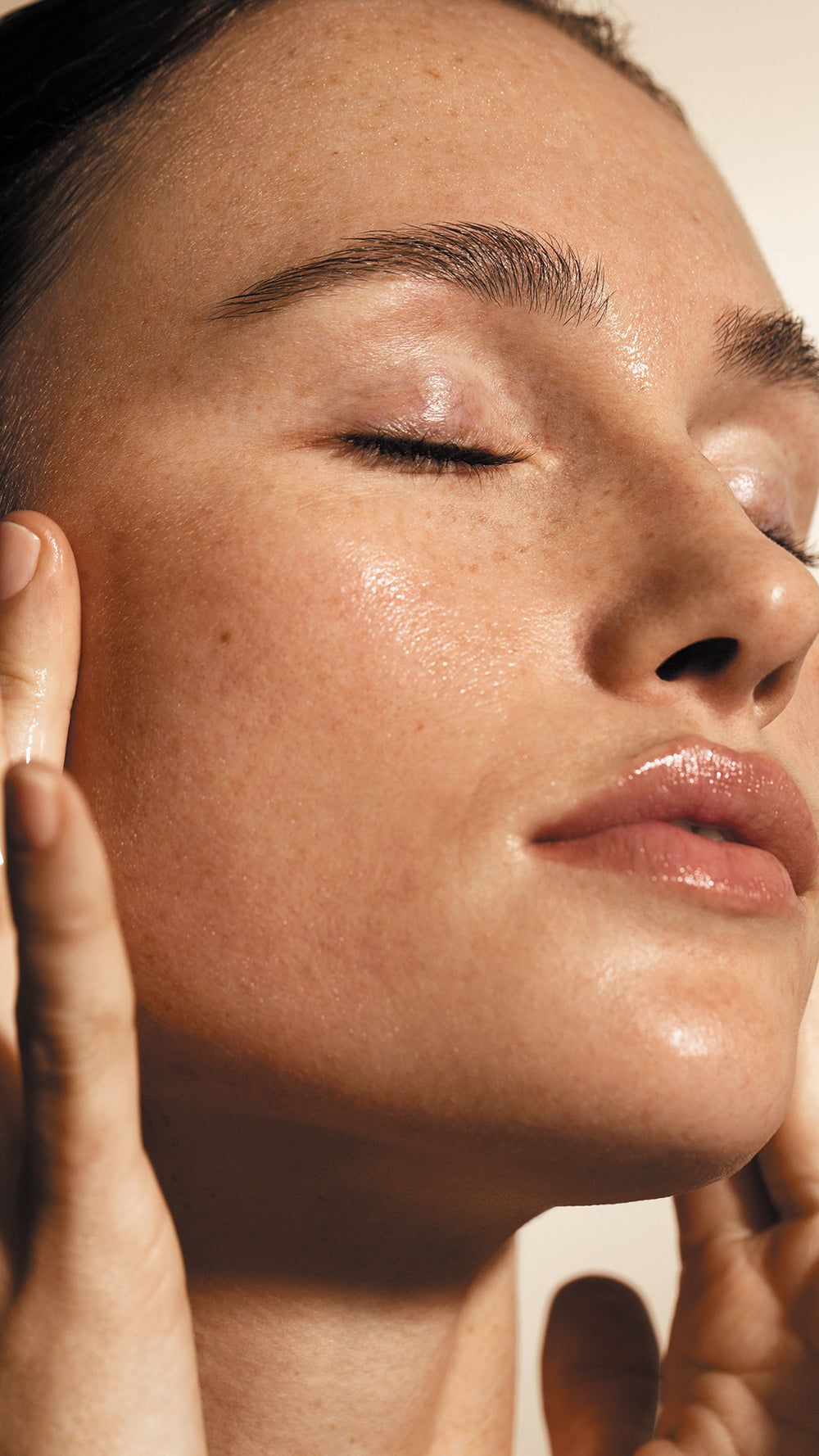
Glass skin describes an aesthetic preference for a hydrated, smooth-looking, luminous complexion. It is not a diagnosis or a clinical outcome with a standard measurement. Lighting, makeup and photography can also change how skin appears, so a filtered reference image is not a reliable treatment target.
At consultation, translate the phrase into a practical goal. Would you like less tightness after cleansing, a more even-looking surface, or makeup that sits more comfortably? These are more useful starting points than asking for skin with no visible pores.
What is included in a Korean facial?
The name does not identify one universal procedure. Depending on the provider, a treatment may combine cleansing, masks, hydration and other steps. Ask specifically about exfoliation, extraction, fragrance and any device-based additions. The answer determines both suitability and timing.
Roxana’s Korean facial service is one option to discuss. Confirm the current protocol rather than assuming that every treatment described online is included in your appointment. If you have sensitive skin, ask how the plan would be simplified.
How often should you book in winter?
Choose a review-led interval. At the first appointment, ask when the practitioner expects your skin to be ready for reassessment and what signs would mean waiting longer. Do not repeat exfoliation simply because a calendar reminder arrives.
The following framework can help organise the decision without prescribing a fixed course:
| Situation | Sensible discussion |
|---|---|
| First Korean facial | Assess the response before buying repeat sessions |
| Comfortable skin and a modest goal | Ask whether occasional maintenance is sufficient |
| Stinging, persistent redness or flaking | Pause elective treatment and seek advice |
| Recent peel, laser or microneedling | Let the treating clinician approve the timing |
| Important event approaching | Prefer a previously tolerated plan with recovery time |
A provider may suggest a recurring interval, but should explain why it fits your protocol and skin. There is no reason to treat a general monthly recommendation as compulsory.
Does Dubai winter change the plan?
Dubai’s cooler season can make routines and appointments easier to organise, but the calendar does not determine skin suitability. Visit Dubai’s weather guide describes the city’s seasonal conditions. The practical implication for treatment planning is to consider your actual activities: outdoor events, beach days, travel and time available for aftercare.
Tell the practitioner about any tightness or irritation you are experiencing rather than assuming winter automatically calls for stronger products or more frequent facials. Bring your current routine so the whole plan can be considered together.
What matters between appointments?
Consistency is more useful than repeatedly adding new products. Ask for a simple routine appropriate to your skin and the treatment you have had. If you are already using prescribed skincare, check with the prescribing clinician before making changes.
For visible pores, the American Academy of Dermatology’s guidance supports gentle care and appropriate sun protection rather than scrubbing. A facial should not become a reason to chase an increasingly polished appearance with aggressive home exfoliation.
Record how your skin feels several days after treatment, not only how it looks under clinic lighting. If the result is pleasant but brief, decide whether that benefit is worth the time and cost to you. There is no obligation to convert an enjoyable appointment into a permanent treatment programme.
Korean facial or HydraFacial?
Compare the actual steps and your priorities. HydraFacial is a branded system; a Korean facial is a broader label. Neither name alone tells you which will be gentler or more suitable. Ask what each option would include for your skin and whether the proposed extras are necessary.
You can review Roxana’s HydraFacial service alongside the Korean facial information. A helpful consultation should explain the difference in the proposed treatment, rather than only the difference in price or duration.
What a Korean facial can mean in practice
The word Korean refers to a broad aesthetic and skin-care context, not a single regulated procedure with one fixed ingredient list. A clinic may use the name for a layered facial built around cleansing, hydration and masks, while another may add stronger exfoliation or devices. The details should be clear before you compare frequency.
Ask the practitioner to describe the protocol from start to finish. Identify which steps are essential to the proposed plan and which are optional. If the answer is only a list of benefits such as glow, repair and lifting, ask what is actually being done to pursue each one.
This is particularly important if you are trying to repeat an experience from another clinic or country. The same name does not establish that the products, intensity or expected recovery are equivalent. Bring the previous treatment details if you have them rather than relying on a photograph of the result.
A worthwhile facial plan should be understandable without specialist vocabulary. You should know what touches your skin, what the practitioner expects it to do and why the proposed interval makes sense for that version of the treatment.
Hydrated appearance and healthy skin are not identical measurements
A luminous appearance is an aesthetic preference, while skin health involves a wider clinical picture. A shiny surface immediately after a facial does not prove that every underlying concern has been resolved. Equally, normal pores and expression lines do not mean that skin is unhealthy.
For an individual goal, describe what would improve your daily experience. Perhaps makeup feels uncomfortable on rough areas, or your routine leaves the skin tight. These observations can guide a consultation more usefully than asking for a perfectly reflective surface.
Keep the measurement proportionate. You do not need to photograph your face repeatedly throughout the day to decide whether a facial was worthwhile. A consistent review at the agreed time, together with your experience of comfort, is usually more informative than constant comparison.
If a practitioner promises glass skin, ask them to translate the phrase. What change is plausible, how long might it be noticeable and which features will remain? A clear explanation should make room for normal texture and individual variation.
Build a winter routine around what your skin tolerates
Seasonal marketing often encourages adding products, but more steps are not automatically better care. Begin by identifying what you already use and whether it is comfortable. A practitioner can then consider the facial in the context of the whole routine.
Bring the names of cleansers, moisturisers, sunscreens, exfoliants and prescribed treatments. Include products used only occasionally, such as masks or spot treatments. The combined exposure matters when deciding whether another exfoliating step is appropriate.
If your routine is working well, say so. A facial consultation does not require replacing everything you own. Ask which changes are necessary for the treatment, which are optional and how long any temporary changes should last.
For a new product recommendation, ask how to introduce it and what response should prompt advice. Avoid turning a winter facial into an unplanned trial of several unfamiliar products at once. That makes both benefits and reactions more difficult to interpret.
How to decide whether a recurring appointment is useful
A recurring interval should be a reasoned suggestion, not a rule derived from a skin-renewal slogan. The relevant questions are the protocol, your response and the goal of the appointment. A gentle maintenance visit and a more exfoliating treatment should not automatically share a schedule.
After the first visit, ask when a useful review can occur. What change should still be present, what would justify repeating the treatment and what would suggest waiting? A provider should be able to explain the decision without implying that a missed appointment will undo all progress.
For example, an illustrative person who enjoys occasional hydration-focused care may choose visits around a manageable routine. Another person with ongoing irritation needs assessment of that irritation, rather than a more frequent version of the same facial. The desired appearance does not override the skin’s condition.
If a package is offered, separate the financial discount from the clinical recommendation. Ask whether unused appointments can be deferred or cancelled if the plan changes. You should retain the option to stop when the benefit is limited or the skin no longer suits the protocol.
What winter events change about facial timing
A busy winter calendar can create pressure to keep adding appointments before each event. Instead, identify the dates that matter and decide which treatment, if any, fits with them. The goal is predictable care rather than constant experimentation.
A first-time facial deserves a different timing discussion from a familiar protocol you have tolerated before. Tell the practitioner about makeup, photography and travel, and ask for a realistic buffer. The treatment’s name alone cannot establish that no visible reaction will occur.
If you are visiting Dubai briefly, consider whether you will be available for follow-up. Ask what happens if the skin becomes uncomfortable after you leave and obtain a record of the products or steps used. A short stay should not force a treatment that cannot be reviewed properly.
Outdoor plans also matter. Give the practitioner your actual schedule, including beach days and sport, rather than assuming that cooler weather makes every date suitable. A seasonal label is less useful than an honest discussion of the coming week.
When a facial should become a medical consultation
Persistent or recurrent skin symptoms deserve a diagnosis-led discussion. If you have ongoing itching, pain, inflammation or a rash, a routine facial may not be the right starting point. Explain the symptoms before products are applied.
Bring the timeline and any relationship to new skin care or previous procedures. The clinician can decide whether further assessment is needed. Do not try to classify the problem yourself solely from social-media examples of a damaged barrier or purging.
The same principle applies to pigment changes or active acne that you hope to cover with a glow treatment. A cosmetic appointment should not delay assessment of a concern that needs a different plan. Ask whether the facial supports that plan or should wait.
If postponement is advised, request a clear next step. You should know whether to continue your existing care, contact a treating clinician or arrange a dermatology visit. Deferring a facial can be part of good care rather than a setback.
Korean facial, home care or another treatment?
Compare the approaches by what they are intended to achieve. A home routine may address daily comfort and maintenance. A facial adds a supervised experience with particular steps. A medical procedure may be considered for a defined concern that neither of those can reasonably resolve.
Do not assume that a more intensive category is the natural next step if a facial produces only a subtle result. Revisit the original goal. If you wanted relaxation and a temporary appearance improvement, that may already describe the appropriate role of the appointment.
If you want treatment for scars, pronounced laxity or a persistent pigment problem, say so directly. The practitioner should explain whether a Korean facial is relevant or whether another assessment is needed. The answer may be a different intervention, but it can also be no procedure.
A coherent plan can include fewer treatments than a menu suggests. What matters is that each step has a purpose, fits your skin and can be reviewed without promising a flawless finish.
A simple diary for choosing your next appointment
Use a short record if you are unsure whether the treatment suited you. Note the protocol, your original goal, any temporary reaction and how the skin felt after ordinary daily care. Add the date of review recommended by the practitioner.
Keep photographs comparable if you use them: the same light, distance and absence or presence of makeup. A bright treatment-room image and a dim evening photograph are not a fair before-and-after comparison. Do not interpret every lighting difference as a change in skin quality.
At the next consultation, discuss what was useful and what was unnecessary. You might choose the same simplified protocol, a longer interval or no repeat appointment. The decision should follow your experience and the practitioner’s assessment.
A winter facial schedule is successful when it supports comfortable, manageable care and realistic goals. It does not need to create a permanent obligation to attend or a belief that normal texture is something that must be continuously removed.
Can you book just before a party?
Avoid making a first-time treatment part of a last-minute experiment. Ask for a buffer appropriate to the protocol and your history. If the event is very close, an unchanged, well-tolerated routine may be the more predictable option.
Tell the practitioner when makeup will be applied and whether you have other appointments planned. Combining several new treatments makes it harder to judge what your skin tolerates and can leave little time to respond if irritation develops.
For a winter skin plan, contact Roxana and describe the result you want in everyday terms. The aim is comfortable, cared-for skin, with treatment frequency based on response rather than a promise of perfection.
General educational information; persistent skin symptoms should be assessed by a qualified clinician.