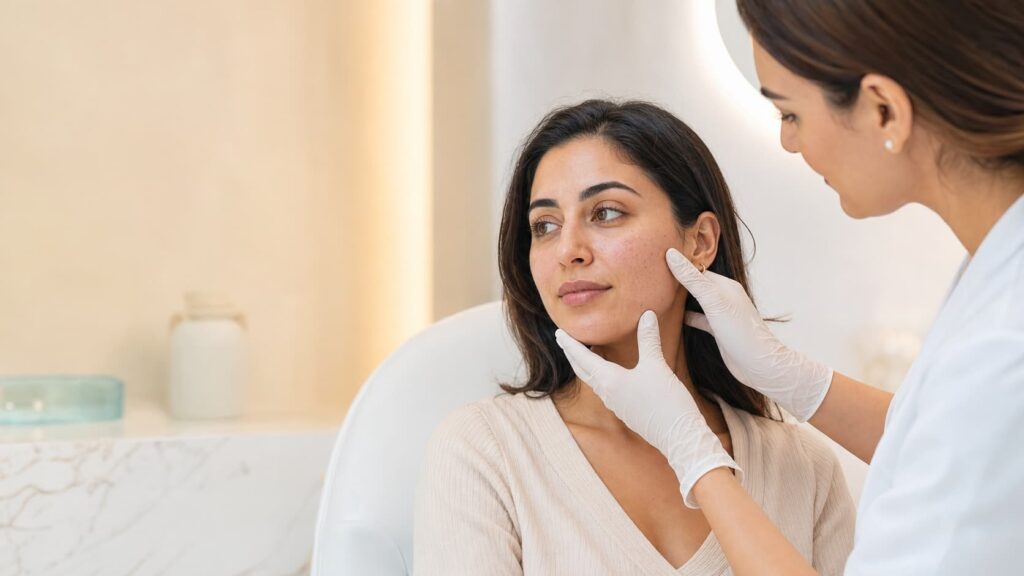
If you’ve been researching regenerative skin treatments, you’ve probably come across two names repeatedly: Rejuran and exosomes. Both are associated with healthier-looking skin, collagen support and gradual repair. That can make choosing between them surprisingly difficult.
The truth is that the Rejuran vs exosomes question doesn’t have one universal answer. Rejuran is an injectable treatment based on purified DNA fragments, while exosomes are signalling particles commonly applied or delivered alongside treatments such as microneedling. Although their goals overlap, their methods and ideal uses aren’t identical.
Your skin condition, scar type, tolerance for injections and treatment history all influence which option makes more sense. Here is a practical comparison.
The short answer: is Rejuran or exosome therapy better?
Rejuran may be the better standalone choice when the priority is improving thin, fragile or ageing skin through carefully placed injections. It is often considered for fine lines, reduced elasticity, crepey texture and general loss of skin quality.
Exosomes may be more suitable when the main procedure is microneedling or laser resurfacing and the goal is to support recovery, calm visible inflammation and enhance overall regeneration. Their value often comes from how they complement the primary treatment.
For acne scars, neither option should automatically be treated as a complete replacement for established collagen-remodelling procedures. Indented scars may require microneedling, fractional laser, radiofrequency microneedling or subcision, depending on their depth and shape. Rejuran or exosomes can then form part of a broader plan.
What is Rejuran?
Rejuran treatment in Dubai is an injectable skin-repair treatment formulated with polynucleotides derived from highly purified salmon DNA. You may also see terms such as PN or PDRN used when researching this category. These substances are related, although individual formulations and molecular sizes can differ.
Unlike a traditional dermal filler, Rejuran isn’t primarily intended to add noticeable facial volume or reshape features. Small amounts are injected into selected areas to support the environment in which skin repair takes place.
Over time, treatment may help improve:
- Skin elasticity and firmness
- Fine, crepey texture
- Hydration and resilience
- Enlarged or visible pores
- Early fine lines
- Mild textural irregularities
- The appearance of certain acne scars
A preliminary randomised study involving 30 patients found that highly purified polynucleotide injections produced greater improvements in moderate-to-severe acne scars than placebo. The findings are encouraging, but the wider evidence base remains smaller than that of established scar procedures such as lasers and microneedling. Results should therefore be discussed realistically rather than promised.
What are exosomes?
Exosomes are microscopic extracellular vesicles that act as messengers between cells. They can carry proteins, lipids and other biological signals involved in cellular communication. In aesthetic practice, carefully manufactured exosome preparations may be used to support skin recovery and collagen-related processes.
At Roxana Aesthetics, ASCE exosome therapy in Dubai may be incorporated into a personalised treatment using an appropriate delivery method. Exosomes are frequently paired with microneedling because the temporary microchannels created during the procedure can assist topical delivery.
Potential benefits include:
- Supporting recovery after a controlled procedure
- Calming temporary redness
- Improving dull or uneven-looking skin
- Supporting the skin barrier
- Encouraging smoother texture
- Complementing acne-scar treatments
- Enhancing an overall rejuvenation plan
One small randomised, split-face study examined exosome gel after fractional CO₂ laser treatment for acne scars. The exosome-treated side showed greater scar improvement and a shorter recovery period than the control side. Importantly, exosomes were used as an addition to laser resurfacing, not as a direct replacement for it.
Product quality matters. “Exosomes” is a broad category, and products can vary by source, purification, concentration and storage. A treatment should involve a traceable, medical-grade formulation selected and handled by a qualified practitioner.
Rejuran vs exosomes at a glance
| Consideration | Rejuran | Exosomes |
|---|---|---|
| What it is | Injectable polynucleotide-based skin booster | Cell-signalling vesicles in a regenerative formulation |
| Typical delivery | Multiple small intradermal injections | Often used with microneedling, mesotherapy or resurfacing |
| Main focus | Skin quality, resilience and gradual repair | Recovery support, inflammation control and regeneration |
| Common downtime | Small bumps, redness, swelling or bruising | Usually linked to the accompanying procedure |
| Best suited to | Thin, crepey, ageing or generally weakened skin | Dull, uneven or damaged skin undergoing a paired procedure |
| Acne-scar role | May support repair and mild textural improvement | Often used as an adjunct to collagen-remodelling treatment |
Which is better for general skin repair?
For someone seeking a focused injectable skin repair treatment, Rejuran has a clear practical advantage: it can be delivered directly into areas where skin quality has declined. This makes it useful for targeted treatment of the cheeks, under-eye area and other delicate zones, subject to a medical assessment.
Improvement is gradual. Rejuran isn’t designed to create the immediate plumping effect associated with some fillers. Skin may instead begin to feel firmer, smoother or more resilient over several weeks and a series of sessions.
Exosomes take a different route. They are often most useful when the skin is already being stimulated by another procedure. If you’re having SkinPen microneedling for enlarged pores, uneven texture or early acne scarring, exosome therapy may be recommended to complement that controlled repair response.
So, for a standalone injectable approach, Rejuran may be preferred. For treatment-enhanced recovery and broader regenerative support, exosomes may have the edge.
Which is better for acne scars?
This is where the comparison needs more nuance. Acne scars aren’t all alike.
Rolling scars have sloping edges and are often tethered below the surface. Boxcar scars are wider depressions with more defined edges, while ice-pick scars are narrow and deep. Post-acne pigmentation, meanwhile, is a colour change rather than a true indentation.
Neither Rejuran nor exosomes can be expected to correct every scar type on their own. A successful acne scar treatment in Dubai usually begins with identifying the scar pattern and the patient’s skin tone. Treating active acne first is equally important; otherwise, new scars may continue to form while old ones are being addressed.
For mild textural damage or skin that appears thin and slow to recover, Rejuran may provide useful regenerative support. For patients undergoing microneedling or laser, exosomes may be selected as an adjunct to encourage recovery and improve the overall treatment response.
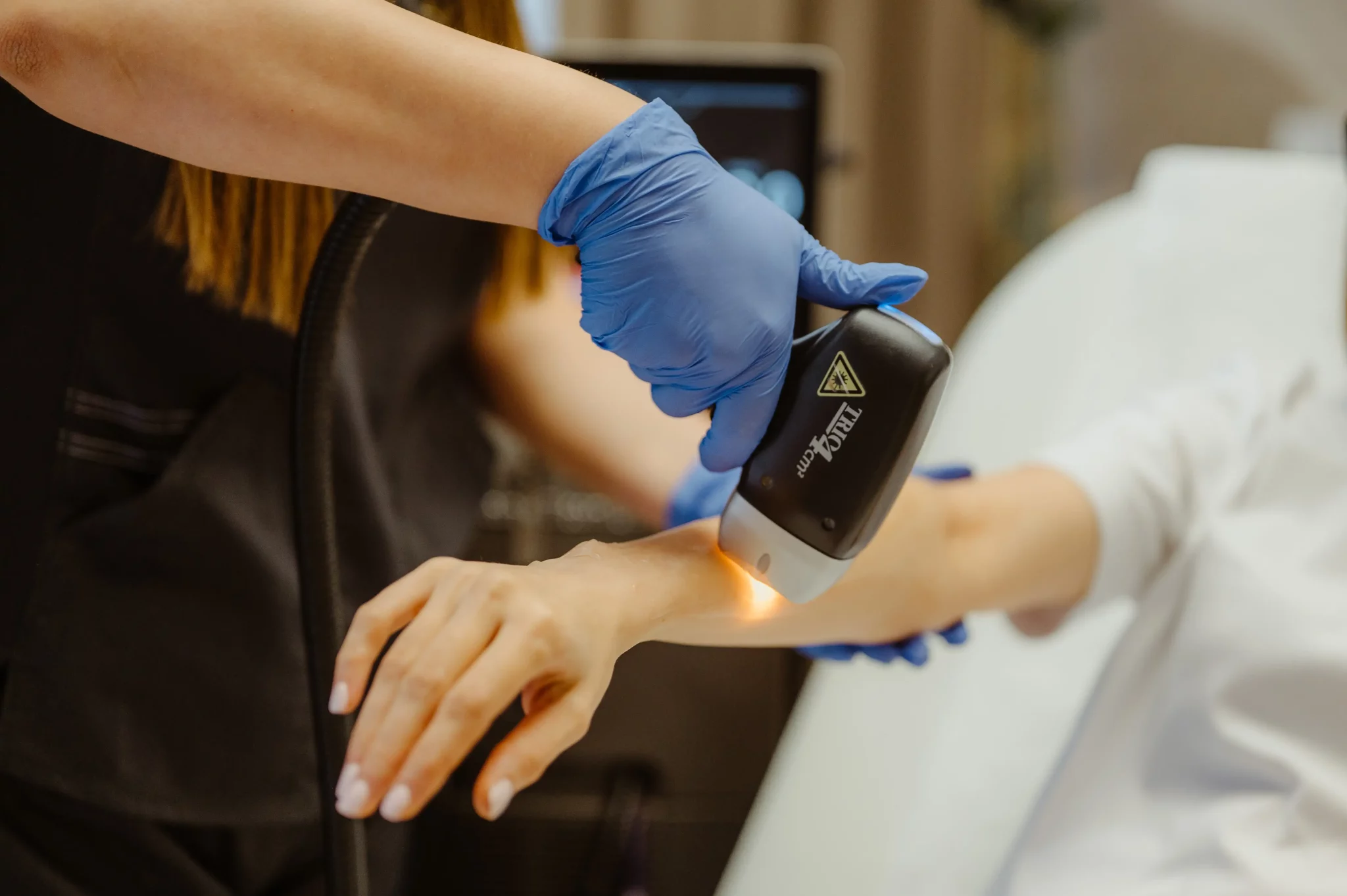
Deeper scars generally need a procedure that remodels scar tissue more directly. Roxana Aesthetics offers SkinPen microneedling and Frax Pro fractional laser resurfacing, both of which can be considered following an in-person assessment. Some patients may benefit from a staged combination rather than one treatment repeated indefinitely.
Who may be better suited to Rejuran?
A practitioner may recommend Rejuran if you:
- Want to improve skin quality without adding facial volume
- Have thin, dry or crepey-looking skin
- Are concerned about early lines and reduced elasticity
- Prefer a targeted injectable approach
- Have mild acne-related texture or weakened skin
- Are comfortable with temporary injection bumps or bruising
You’ll need to disclose your medical history, allergies and current medication. Treatment may not be appropriate during pregnancy or breastfeeding, or when there is active infection or uncontrolled inflammation in the treatment area.
Who may be better suited to exosomes?
Exosome therapy may be worth discussing if you:
- Are planning microneedling or an appropriate resurfacing treatment
- Want additional support during post-procedure recovery
- Have uneven tone, visible pores or dull-looking skin
- Experience persistent redness or a weakened skin barrier
- Prefer a treatment plan centred on progressive skin regeneration
- Want to improve overall skin quality rather than facial shape
The source and handling of the exosome formulation should be part of the consultation. Not every product marketed with the word “exosome” is equivalent.
Can Rejuran and exosomes be combined?
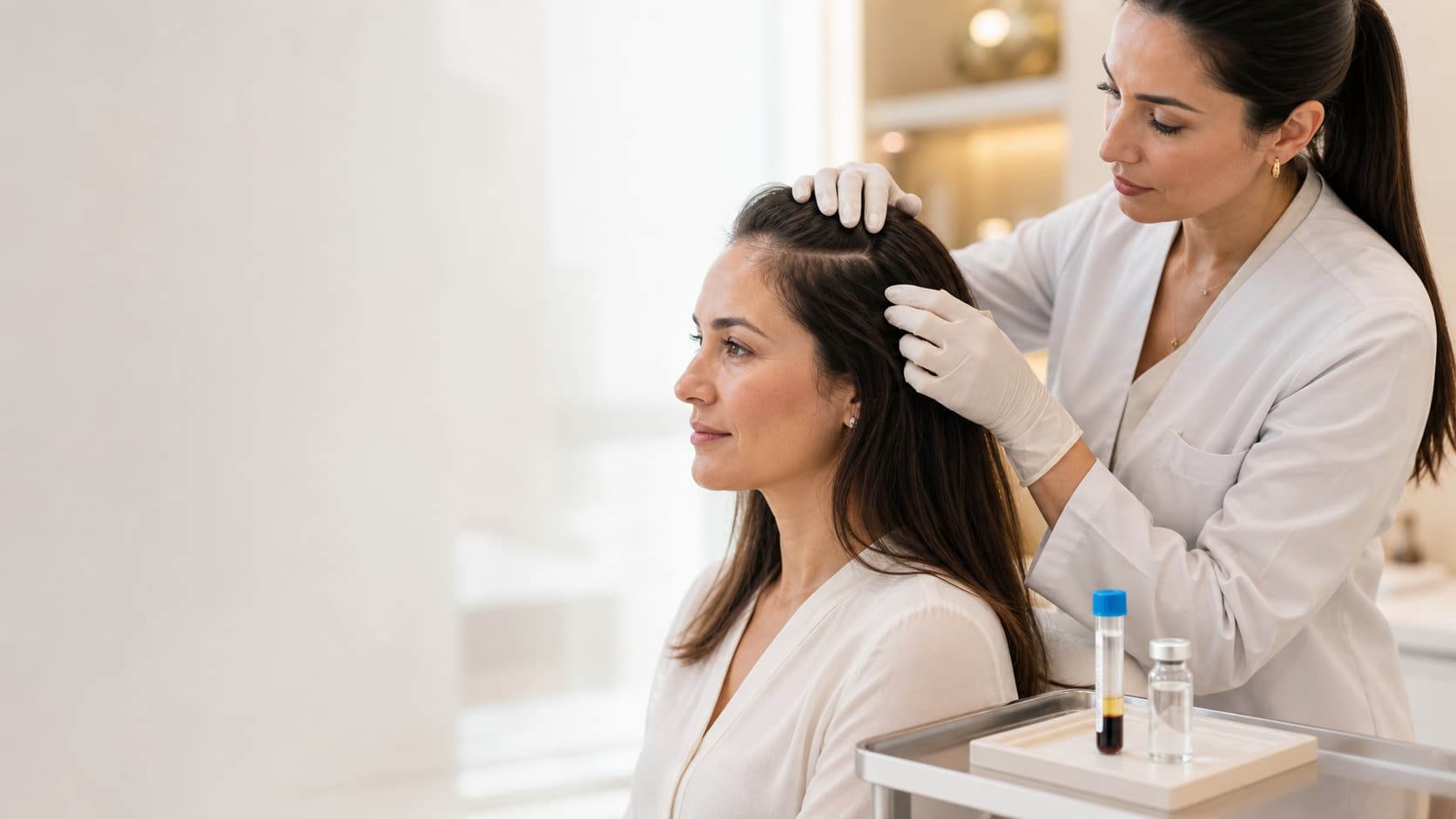
Potentially, but combining everything in one appointment isn’t automatically better. Rejuran and exosomes can occupy different places within a staged skin-repair plan. A practitioner might recommend Rejuran during one part of the programme and microneedling with exosome support at another point.
Spacing treatments gives the skin time to settle and lets your practitioner judge how it responds. It also reduces the temptation to credit or blame several procedures for a result when they were all performed together.
For acne scars, the plan may also include PRP skin rejuvenation, chemical peels or fractional resurfacing. The right combination depends on scar type, pigmentation risk, skin sensitivity and acceptable downtime.
What should you expect after treatment?
After Rejuran, small raised bumps can appear at injection points. Mild redness, swelling, tenderness or bruising is also possible. These effects typically settle, but exact recovery varies between people.
Downtime after exosome therapy depends largely on how it was delivered. Skin treated with microneedling may look pink and feel warm or tight for a day or two. More intensive resurfacing can involve a longer recovery.
Follow the aftercare instructions provided by your practitioner. This will usually mean using a gentle cleanser, moisturiser and broad-spectrum sunscreen while avoiding retinoids, exfoliating acids, intense heat and unnecessary touching until the skin has recovered.
Rejuran vs exosomes: the final verdict
Rejuran is likely to be the stronger choice for someone who wants a targeted injectable treatment for gradual improvements in skin quality. Exosomes are particularly compelling as a supportive treatment alongside microneedling or resurfacing, especially when recovery and overall regeneration are priorities.
For acne scars, the better question isn’t simply “Rejuran vs exosomes?” It is: what kind of scars do I have, and which procedure will remodel them most effectively?
At Roxana Aesthetics Clinic in Dubai, treatment begins with an assessment of your skin, scar pattern and medical history. From there, the team can recommend Rejuran, exosome therapy or a staged combination with an appropriate collagen-remodelling treatment.
Results vary, and no regenerative treatment can promise perfectly smooth or scar-free skin. A personalised plan, realistic expectations and consistent sun protection will do far more for your outcome than choosing a treatment based on popularity alone.
This article is for general information and does not replace an individual medical consultation.