Morpheus8 has earned a place in modern aesthetic medicine because it addresses several concerns in one treatment: skin laxity, uneven texture, enlarged pores, fine lines and certain types of acne scarring. Yet many patients now arrive at their consultation with another question. Is Morpheus8 enough on its own, or should it be combined with PRP or exosomes?
The honest answer is that a combination treatment may support recovery and add to the overall skin-rejuvenation effect, but it is not automatically better for every patient. Your skin condition, treatment depth, medical history and the quality of the regenerative product all matter.
Here is what we currently know about Morpheus8 with exosomes, how it compares with Morpheus8 with PRP and what you should consider before choosing either option.
What Morpheus8 does before anything is added
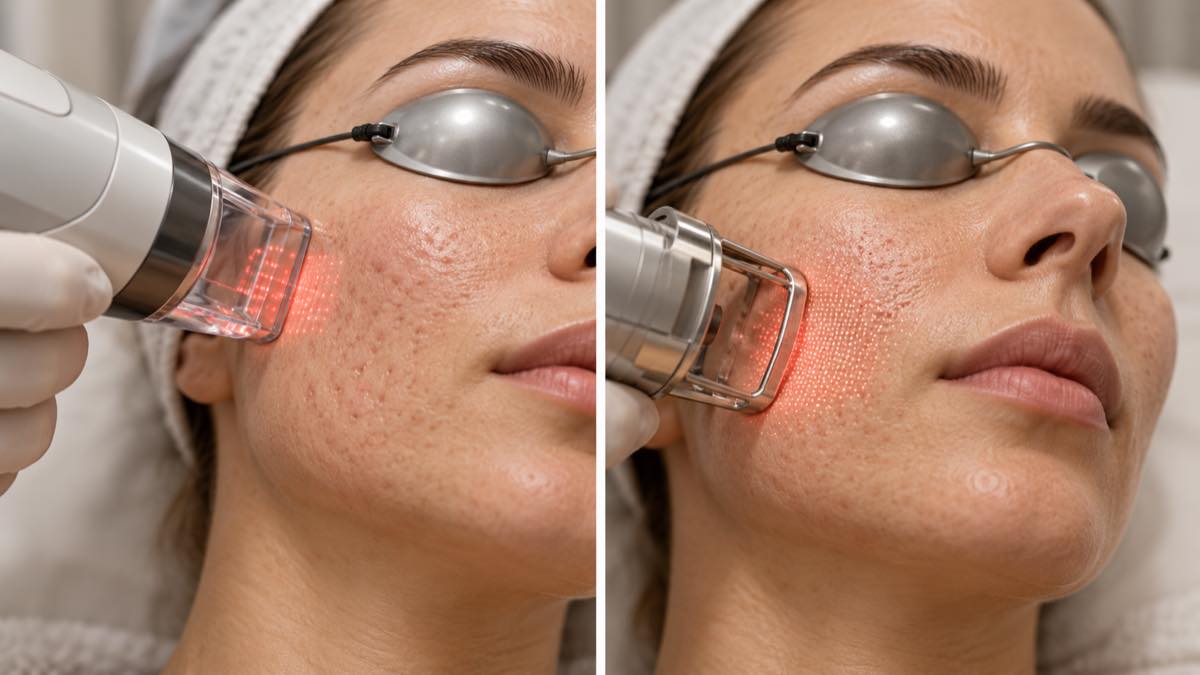
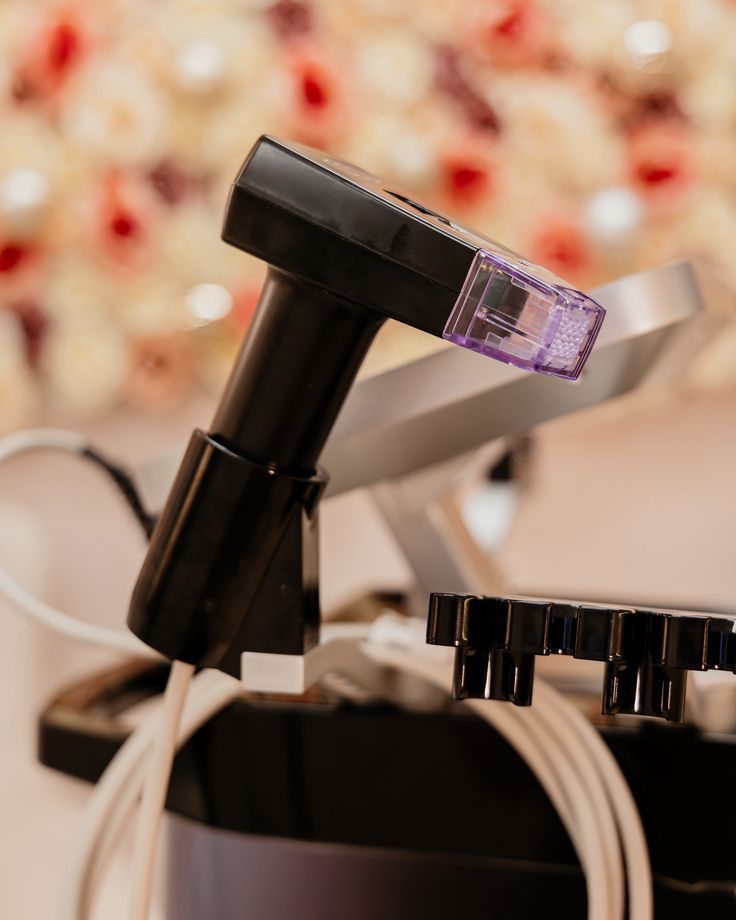
Morpheus8 Pro combines microneedles with controlled radiofrequency energy. The needles create precise microchannels while the radiofrequency energy heats selected layers beneath the skin. This controlled process encourages the skin to produce new collagen and elastin over time.
The treatment can be adjusted for different areas and concerns. Shallower settings may be chosen for texture and pores, while other treatment plans may focus on deeper remodelling and skin tightening. This flexibility is one reason people searching for Morpheus8 Dubai often consider it for the face, jawline, neck and selected body areas.
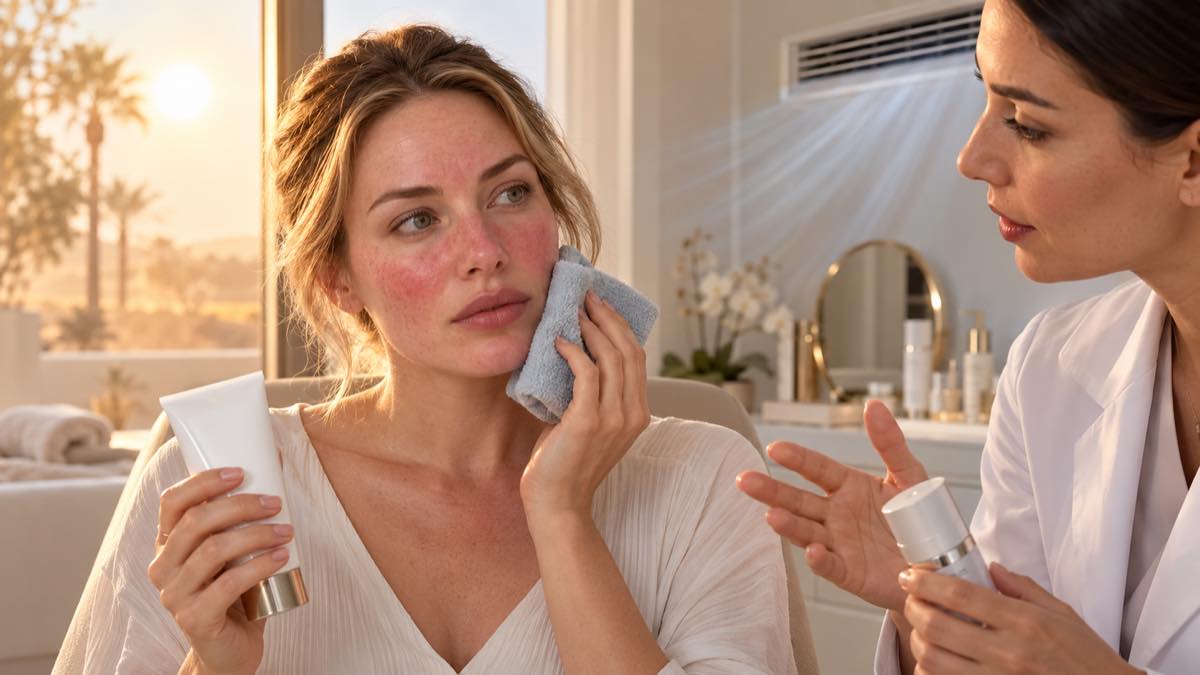
Immediately afterwards, however, the skin has work to do. Redness, warmth, mild swelling and a rough or dry sensation can occur as the treated tissue begins its natural repair response. PRP and exosome products are used as adjuncts in an attempt to support that process.
What happens when Morpheus8 is combined with PRP?
PRP stands for platelet-rich plasma. A small amount of the patient’s blood is collected and processed to separate plasma containing a concentrated level of platelets. Depending on the treatment protocol, the prepared PRP may be applied over the freshly treated skin or delivered more directly by a qualified medical professional.
Platelets release growth factors involved in normal tissue repair. The idea behind Morpheus8 with PRP is therefore straightforward: Morpheus8 creates a controlled collagen-remodelling response, while PRP supplies signals that may support healing and rejuvenation.
PRP is autologous, meaning that it comes from your own blood. This is appealing to patients who prefer a treatment based on their own biological material. It also means that the composition can vary from person to person. Age, general health, platelet count, medication and the preparation technique may all affect the finished product.
The evidence is encouraging, although it is not universal across every skin concern. Research combining microneedling with PRP has reported improved outcomes for concerns such as acne scarring. More recent research involving fractional radiofrequency and PRP has also produced promising results for selected pigmentation concerns. These findings do not mean that PRP will transform every Morpheus8 result, but they give the combination a reasonable scientific foundation.
What are exosomes?
Exosomes are tiny extracellular vesicles released by cells. They carry proteins, lipids and other biological signals that allow cells to communicate. In regenerative aesthetics, specially prepared exosome-containing products are applied after procedures that create temporary microchannels in the skin.
This is the thinking behind Morpheus8 with exosomes. Morpheus8 performs the primary treatment, while the topical adjunct is intended to support the environment in which repair and collagen remodelling take place.
Early studies of exosome-containing solutions used with conventional microneedling have reported improvements in hydration, elasticity, pigmentation and the appearance of wrinkles. A 2025 split-face trial that compared exosomes with PRP after radiofrequency microneedling found that both sides improved in wrinkling, discolouration, redness, texture and overall appearance. Importantly, the study did not show that one option was clearly superior in every respect.
That last detail is easy to lose in the excitement around a newer treatment. Exosomes are promising, but “newer” does not necessarily mean “better.” Products can differ in their source, purification, concentration, storage and supporting ingredients. Clinical evidence is also still developing, with a recent systematic review calling for larger studies and longer follow-up.
Can these combinations shorten RF microneedling recovery?
They may make the early recovery experience more comfortable for some patients, but neither option can guarantee zero downtime.
Typical RF microneedling recovery may include redness and warmth during the first day or two. Mild swelling, small pinpoint marks or a sandpaper-like texture can follow. The skin may then feel dry or begin light flaking before it settles. Deeper treatments and more intensive settings can produce a longer recovery than a lighter session.
PRP and exosome products are often chosen because of their potential to support the skin’s repair response. Some studies have found improvements in redness, hydration or overall skin quality when regenerative adjuncts are used. Still, recovery is affected by much more than the serum placed on the skin.
Treatment intensity, hygiene, sun exposure, heat, exercise, skincare and individual sensitivity can all change the experience. A carefully planned Morpheus8 session with appropriate aftercare is more important than adding a fashionable product to an unsuitable protocol.
Morpheus8 with exosomes versus PRP
The practical differences may help you decide which conversation to have with your clinician.
PRP is prepared from your own blood and has a longer history of use in aesthetic medicine. It can be a sensible choice for patients who value an autologous approach and do not mind a blood draw. The disadvantages include natural variation between preparations and the possibility of temporary bruising or tenderness, depending on how it is delivered.
Exosome treatments do not usually require a blood draw. Their appeal lies in the possibility of using a more consistent, ready-prepared regenerative product. However, consistency depends entirely on sourcing, formulation and handling. Exosome products are not interchangeable, and international regulation varies. Patients should ask what product is being used, where it comes from, how it is stored and what evidence supports that specific formulation.
From a results perspective, current head-to-head evidence suggests that both may complement radiofrequency microneedling. There is not yet enough high-quality research to claim that exosomes reliably outperform PRP, or vice versa, for every patient.
Which option might suit your skin?
Morpheus8 with PRP may be considered when a patient wants to use material obtained from their own blood, has suitable platelet health and accepts the additional preparation involved. It may also appeal when acne scars or general skin quality are central concerns.
Morpheus8 with exosomes may interest someone who wants to avoid a blood draw and whose clinician has access to a carefully sourced, appropriately handled product. Because formulations vary, product quality and medical oversight deserve as much attention as the word “exosomes” itself.
Some patients may not need either adjunct. If the main goal is moderate tightening or contour refinement, a well-designed Morpheus8 treatment plan may already be sufficient. Others may benefit from a different route entirely, such as standard microneedling, PRP skin rejuvenation or a regenerative option such as PDRN therapy.
This is why a consultation should start with the skin concern rather than the trend. Firmness, scars, pigmentation and dehydration do not always require the same treatment.
What results can you realistically expect?
Morpheus8 results develop gradually. Early changes in smoothness may appear first, while visible collagen remodelling generally takes longer. Improvements can continue over several weeks and months, particularly when a series of sessions has been recommended.
Adding PRP or exosomes may support improvements in texture, redness, hydration or general skin quality. It should not be presented as a way to double the result or make normal healing disappear overnight. No responsible provider can promise an identical outcome for every face.
Good candidates also need to follow sensible aftercare. This generally includes using gentle products, avoiding picking or exfoliating the treated skin, applying suitable sun protection and temporarily stepping away from intense heat and strenuous exercise. Your clinician’s instructions should take priority because they will reflect the treatment depth and your skin’s response.
Safety should come before the add-on
Combination treatments require sterile technique and appropriate medical assessment. Tell your clinician about active skin infections, pregnancy, a tendency towards abnormal scarring, implanted electronic devices, blood disorders and any medication or supplement that may affect bleeding or healing.
For exosome treatments, ask about source, sterility, storage and local regulatory status. For PRP, ask how the blood is processed and whether your medical history makes it appropriate. More ingredients and more steps do not necessarily create a safer or more effective treatment.
The bottom line
So, do combination treatments improve recovery and results? They can support the outcome of Morpheus8 for selected patients, and both PRP and exosomes have encouraging clinical evidence. The advantage appears to be an incremental improvement in aspects of skin quality rather than a guaranteed dramatic transformation.
At present, Morpheus8 with exosomes cannot be declared universally better than Morpheus8 with PRP. PRP offers the familiarity of an autologous treatment, while exosomes offer convenience and promising regenerative signals but require particularly careful product evaluation.
At Roxana Aesthetics Clinic, the right starting point is a personalised skin assessment. A qualified practitioner can determine whether Morpheus8 alone, a regenerative combination or another form of skin rejuvenation Dubai treatment best matches your skin, schedule and expectations. Contact Roxana Aesthetics Clinic to arrange a consultation and receive an individual treatment plan.
This article is for general education and does not replace medical advice.