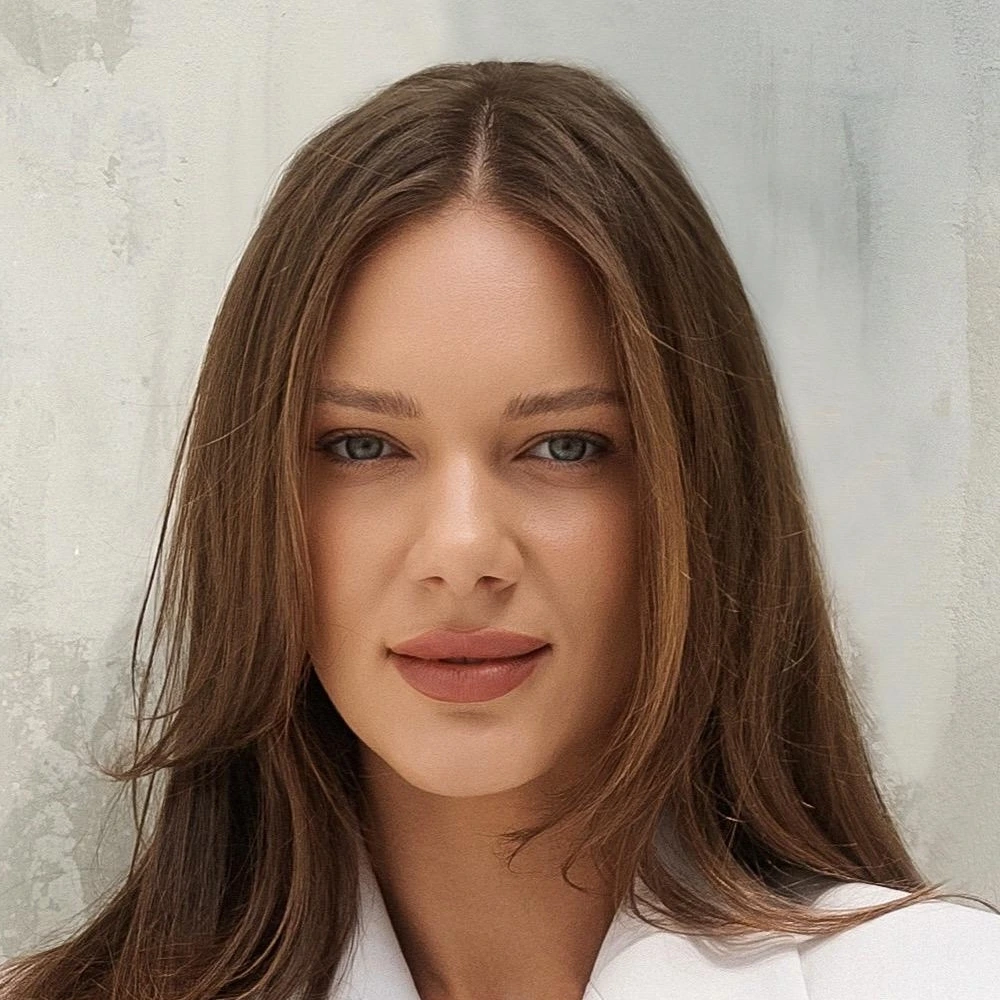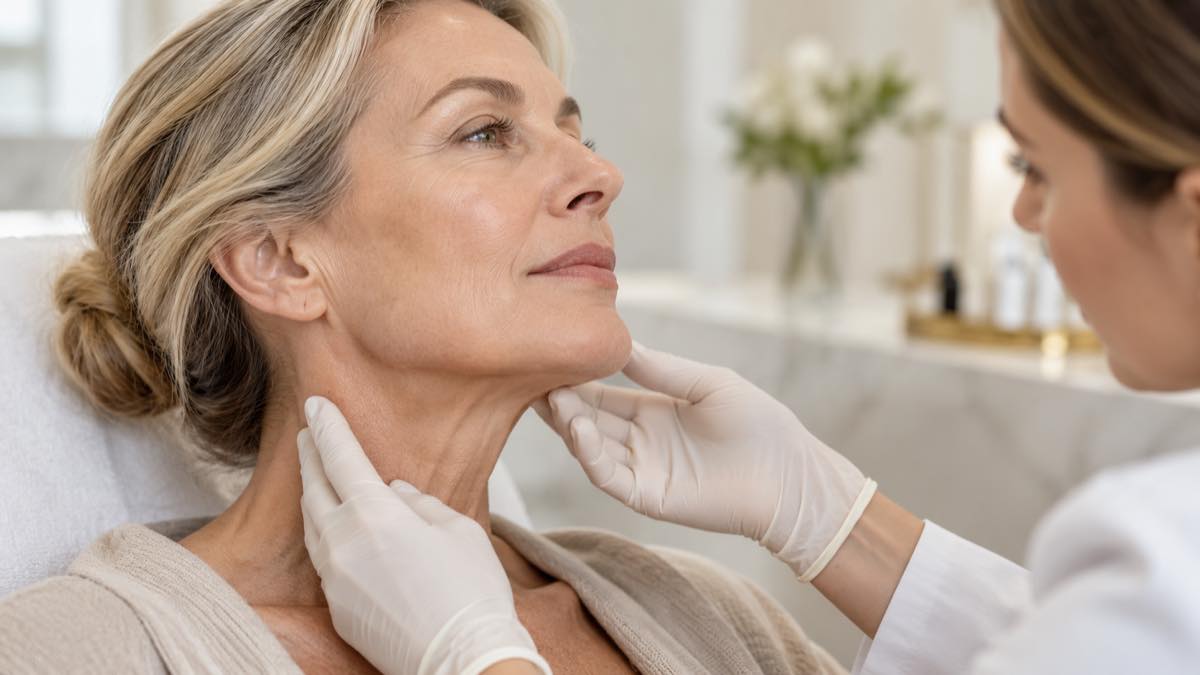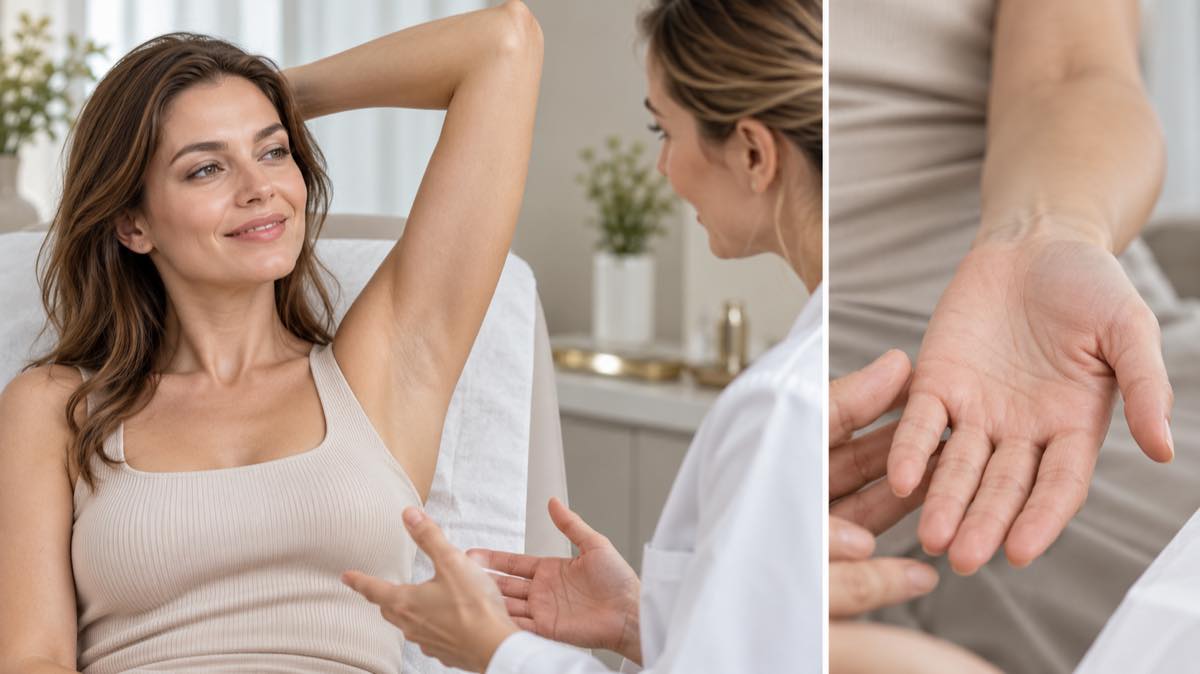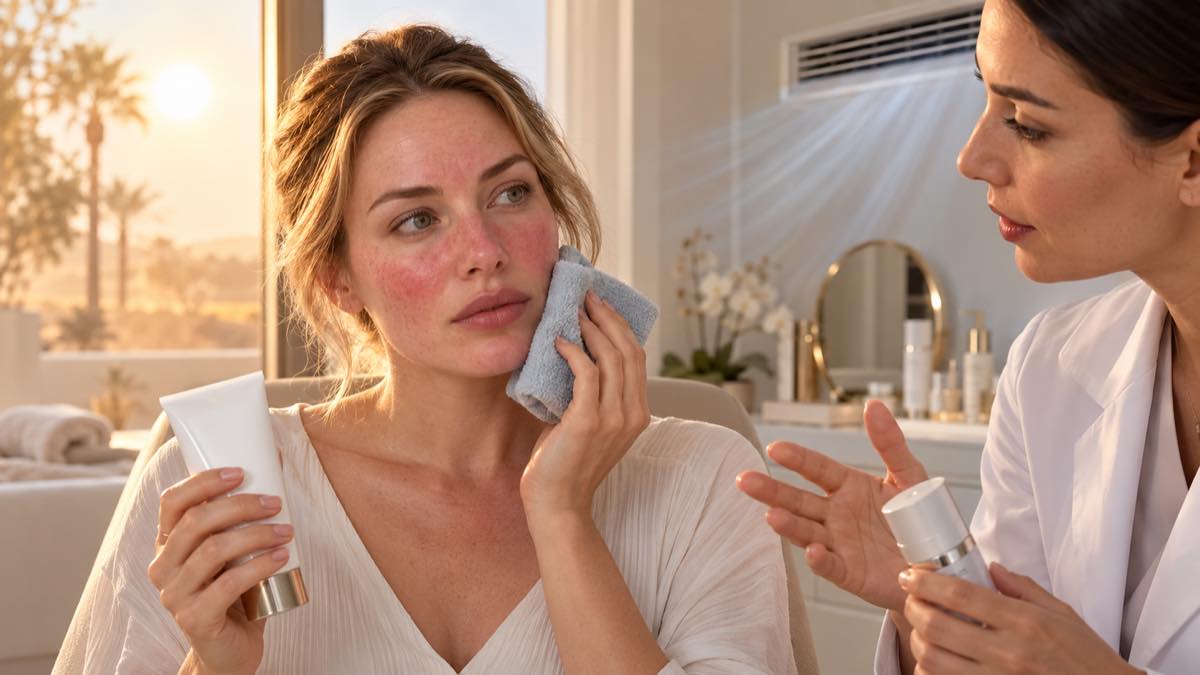
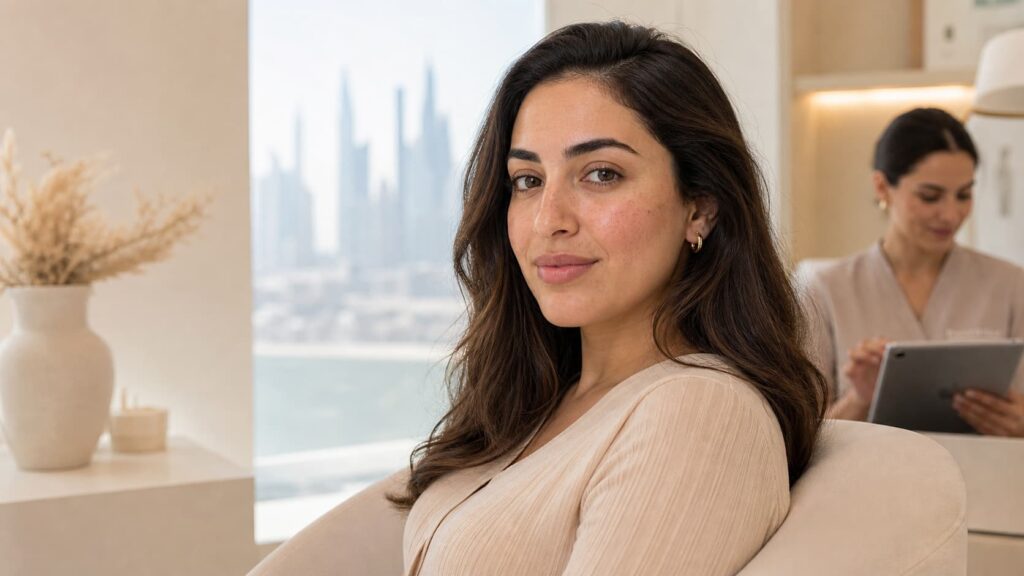
You can be careful with sunscreen and still reach September wondering when those new brown marks appeared. Dubai summer has a way of making skin concerns look louder: a freckle becomes a patch, redness lingers around the nose, and your complexion seems less even without makeup.
That is why IPL photorejuvenation Dubai searches tend to rise when the hottest months begin to ease. Intense Pulsed Light, or IPL, can address more than one colour-related concern in the same treatment plan. It is not, however, a universal “erase” button. The best results begin with knowing whether the colour you see comes from excess pigment, visible vessels, melasma, irritation or something else.
What Dubai summer can leave behind
Sun exposure is cumulative. Time spent driving, walking to lunch or enjoying weekends outdoors all adds up. Heat can also make facial flushing more noticeable, while irritation may leave the face looking blotchy.
By the end of summer, the most common complaints include:
- Flat brown sun spots or freckles that have become darker
- Redness across the cheeks and nose
- Fine, visible facial vessels
- Patchy areas that make the complexion look uneven
- Dullness and rough texture from heat, air conditioning and dehydration
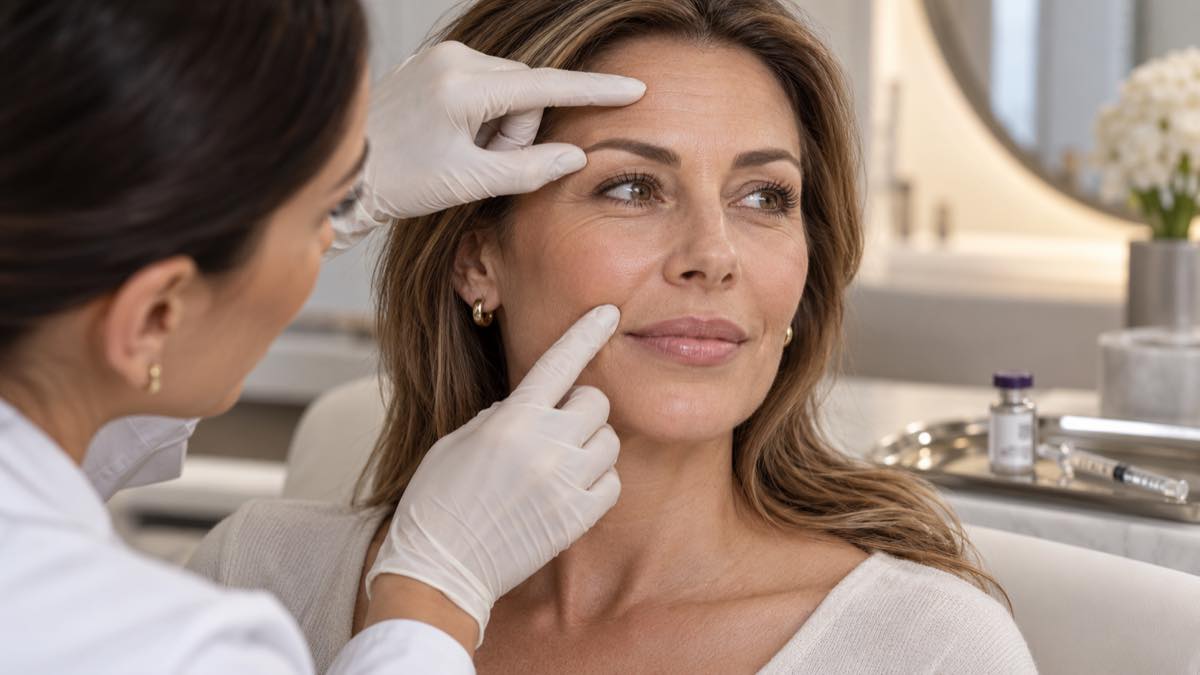
These concerns may overlap, but they do not all behave in the same way. A good post-summer skin treatment Dubai plan should start with a proper skin assessment, not a treatment chosen from photographs alone.
How IPL photorejuvenation works
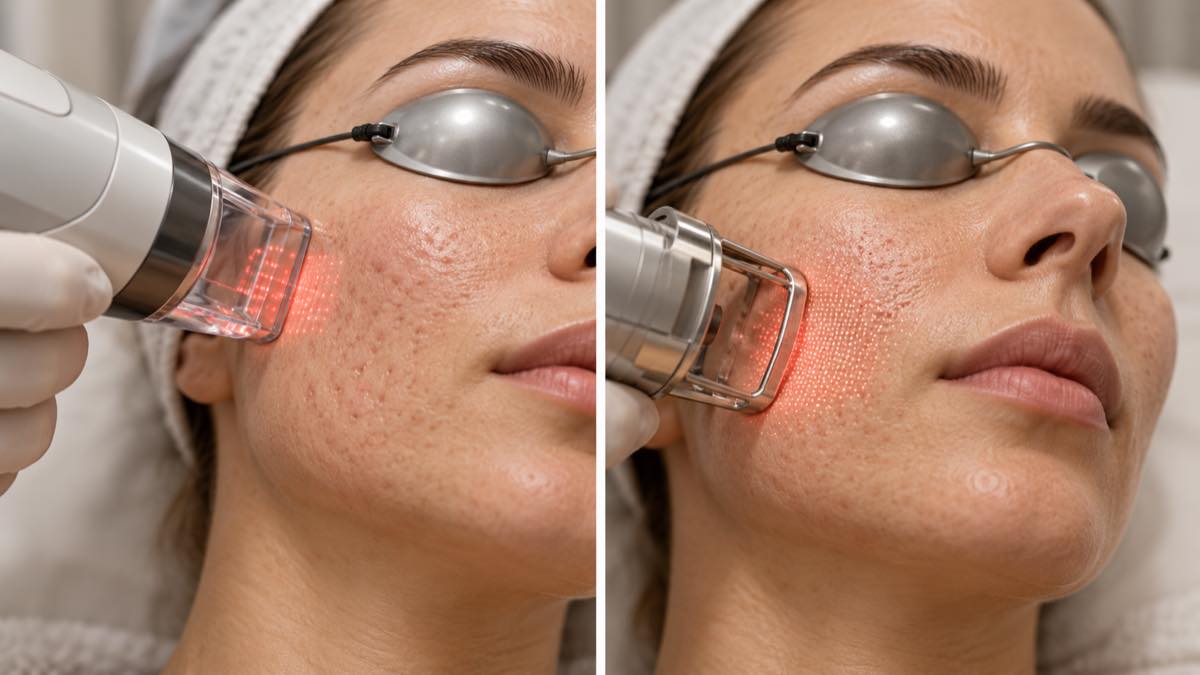
Despite the phrase “IPL laser,” IPL is not technically a laser. A laser uses one focused wavelength; IPL delivers a range of light wavelengths. Filters and treatment settings allow the practitioner to direct that light towards selected colours in the skin.
Brown pigment contains melanin, while redness and small visible vessels contain haemoglobin. These targets absorb the light energy, which converts to heat. Over the following days, treated brown spots may temporarily darken and gradually flake or fade. Targeted vessels may become less visible as the body clears them.
Roxana Aesthetics Clinic’s IPL Photo Rejuvenation treatment uses Advanced Fluorescence Technology (AFT), with settings tailored to skin type, sensitivity and concern. The clinic advises that a session generally takes 20 to 40 minutes.
Can IPL treat sun spots after summer?
Often, yes—provided they are suitable superficial pigmented lesions. IPL is commonly used for freckles, mottled pigmentation and solar lentigines, the flat brown marks most people call age spots or sun spots. It works particularly well when several small areas are scattered across the face, neck, chest or hands.
An IPL treatment for sun spots does not stop the skin from producing pigment again. It clears selected existing targets; it does not remove your history of UV exposure. Fresh sun exposure can bring old pigment back into view and encourage new marks to form, which makes daily protection part of the result rather than an optional extra.
Not every brown patch is a straightforward sun spot. Melasma can be worsened by heat and light and may relapse after energy-based treatment. Raised, changing, irregular or suspicious lesions should be assessed medically rather than treated cosmetically.
If pigmentation is the main concern, Roxana’s Hyperpigmentation Treatment service is a useful internal link. It gives readers a broader route to explore when IPL is only one of several possible options.
What about facial redness and broken capillaries?
IPL can also target red tones. Light absorbed by haemoglobin can reduce the appearance of diffuse redness, tiny facial vessels and some rosacea-related colour. For someone whose cheeks remain pink long after the heat has passed, a clinician-led facial redness treatment Dubai plan may help create a calmer, more even appearance.
IPL may reduce visible redness, but it does not “cure” rosacea or remove its triggers. Heat, sun, spicy food, stress and certain skincare products may still prompt flushing. Diagnosis, sensible skincare and trigger management still matter.
Will IPL improve uneven skin tone?
Uneven tone is a description, not a diagnosis. It might mean brown spots, red patches, post-acne marks or a mixture of all three. IPL is most useful when the unevenness comes from treatable pigment and vascular targets. Because different filters and settings can address different colours, a course of treatment may make the complexion look clearer and more balanced.
If the problem is mainly rough texture, clogged pores or dehydration, IPL may not be the most direct answer. A HydraFacial in Dubai may suit skin that needs cleansing and hydration, while a professionally selected Chemical Peel may be considered for certain superficial pigment and texture concerns. Microneedling is another service worth discussing when texture or acne scarring is the priority.
That is the practical value of a personalised uneven skin tone treatment Dubai consultation: it separates the concern you can see from the mechanism causing it.
When is the right time after Dubai summer?
The right moment is not simply the first day the temperature drops. IPL should not be performed over a recent tan or sunburn. Tanned skin contains more active melanin, which can compete with the intended target and increase the chance of burns, blistering or unwanted darkening or lightening.
Your practitioner will want to know about recent sun exposure, self-tanning products, upcoming travel and medicines or supplements that may increase light sensitivity. You may be asked to pause certain active skincare products, but only follow instructions given for your own treatment plan.
Autumn can be a convenient season because avoiding intense exposure is often easier, yet Dubai sun remains strong year-round. Shade, protective clothing and a broad-spectrum sunscreen are essential before and after treatment. If your skin is still tanned, irritated or peeling, waiting is not lost time; it is part of safer treatment planning.
What does treatment and recovery feel like?
After cleansing and eye protection, a cooling gel may be applied before controlled pulses are delivered across the treatment area. People often describe a quick warm snap. Comfort varies by area and setting, but treatment is usually brief.
Immediately afterwards, the skin may look pink or feel warm. Brown spots can appear darker before they fade. Mild swelling or a sunburn-like sensation can occur. Let darkened areas shed naturally.
There may be little interruption to your routine, but “minimal downtime” does not mean no aftercare. Gentle cleansing, moisturiser, diligent sun protection and a temporary pause from intense heat, vigorous exercise or irritating actives may be recommended. Follow the clinic’s instructions, as aftercare should reflect your skin and the settings used.
How many IPL sessions will you need?
Some people notice early changes after one appointment, but IPL photorejuvenation is usually planned as a course. Roxana Aesthetics Clinic notes that three to six sessions may be recommended, depending on the depth of pigmentation and the concern being treated. Sessions are spaced to let the skin respond and recover.
Results are gradual, and perfection is the wrong benchmark. Think softer contrast, fewer obvious spots and a more harmonious tone. Maintenance may be suggested, particularly when redness is recurrent or sun exposure continues. Consistent home care will influence how long the improvement remains visible.
Who may need a different plan?
IPL may not be appropriate during pregnancy, with active skin infection, following recent tanning, or when using some photosensitising medicines. Extra caution is necessary for deeper skin tones and for anyone prone to post-inflammatory hyperpigmentation. This does not automatically rule treatment out, but device choice, settings, practitioner experience and sometimes a test spot become especially important.
Treatment should also wait if the skin barrier is inflamed or if there is an unexplained lesion in the area. A qualified clinician can distinguish a suitable IPL target from a concern that needs another treatment—or medical review first.
A clearer complexion starts with the right diagnosis
So, can IPL improve sun spots, redness and uneven tone after a Dubai summer? For the right person and the right type of discolouration, it may address all three. The more honest answer is that the result depends on what is creating the colour, how recently your skin has seen the sun and how thoughtfully the treatment is tailored.
At Roxana Aesthetics Clinic, a consultation can map the visible pigment and redness, review your recent exposure and build a plan around your skin rather than the season alone. Explore IPL photorejuvenation in Dubai or contact the clinic to discuss whether it belongs in your post-summer reset.
This article is educational and does not replace medical advice. Results, suitability and recovery vary from person to person.