You wore sunscreen, used a brightening serum and perhaps invested in an in-clinic treatment. The marks softened, your complexion looked clearer, and then the same patches began to show again.
It is frustrating, but it does not necessarily mean your treatment failed. Hyperpigmentation is not simply colour sitting on the surface of the skin. It is a response: pigment-producing cells make extra melanin after receiving signals from sunlight, heat, hormones, inflammation or injury. A treatment may fade the visible mark without switching off the signal that created it.
That distinction is the starting point for effective hyperpigmentation treatment Dubai residents can maintain. The aim is not to attack every brown mark with the strongest available procedure. It is to understand what kind of pigmentation you have, calm its triggers and choose an approach that respects your skin tone.
Why hyperpigmentation returns
Melanin is the natural pigment that gives skin, hair and eyes their colour. Dark spots appear when its production becomes uneven or excessive in certain areas.
Some pigment sits closer to the surface; some lies deeper. Some marks follow a spot or rash, while others are driven by hormones or years of sun exposure. These differences matter. Treating melasma as if it were a simple sun spot, for example, can produce temporary improvement followed by a noticeable rebound.
Here are the most common reasons dark spots return.
1. Dubai’s sun keeps sending the pigment signal
Strong, year-round ultraviolet exposure is an obvious trigger, but it is not limited to afternoons at the beach. Short drives, time beside a window and outdoor errands add up. UVA can pass through glass, while visible light may also worsen melasma in some people.
Sunscreen applied once in the morning may not be enough if it is used too sparingly, rubbed away or not reapplied during a long day. Pigment can then begin rebuilding before the treated area has fully settled.
2. Heat can aggravate reactive pigmentation
For melasma-prone skin, heat may be part of the problem even without direct sunbathing. Steam rooms, saunas and other prolonged heat can leave some complexions flushed and reactive.
This does not mean avoiding normal life. It means recognising your pattern. If patches deepen after high-heat days, that information should shape your melasma treatment in Dubai and maintenance plan.
3. The original inflammation is still happening
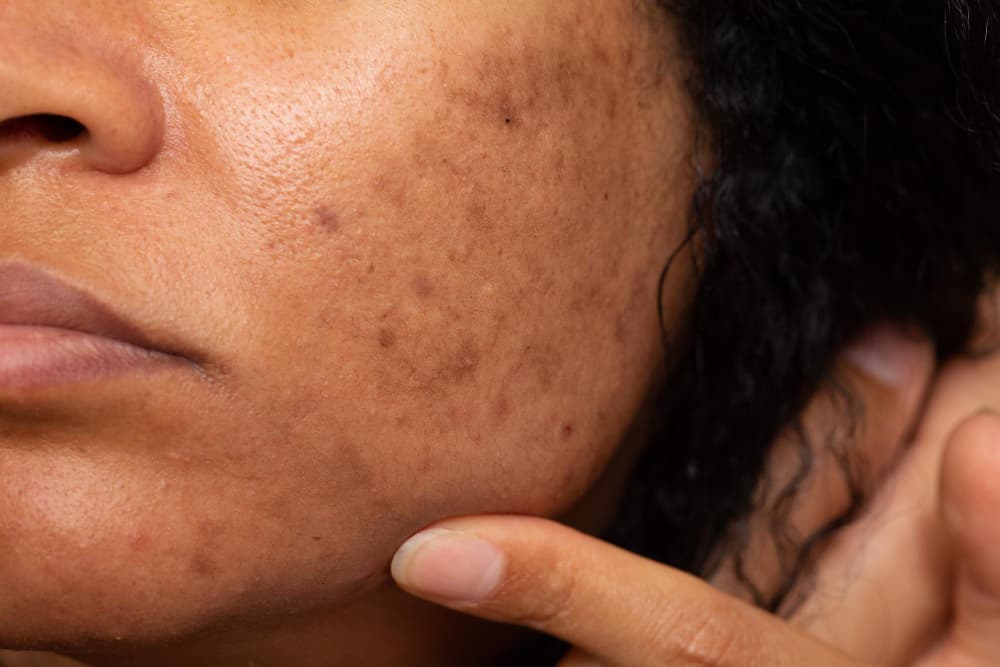
A dark mark left after acne is called post-inflammatory hyperpigmentation, or PIH. If new breakouts continue, new marks will continue too. The same cycle can follow eczema, shaving irritation, picking, harsh scrubs or an unsuitable skincare product.
In this situation, fading old marks without managing the inflammation is like drying the floor while the tap is still running. A sensible post-inflammatory hyperpigmentation treatment plan addresses both sides: the cause of irritation and the pigment left behind.
4. Hormonal triggers have not disappeared
Melasma often appears as symmetrical brown or grey-brown facial patches. Hormonal changes, including pregnancy or certain medications, may play a role; sun and heat can make it more visible.
Melasma is usually managed rather than “cured” in one appointment. It can improve significantly, but it has a memory. A successful plan includes a maintenance phase rather than ending the moment the patches fade.
5. The treatment was too aggressive for the skin
It is tempting to assume that a stronger peel, higher laser setting or more frequent exfoliation will clear pigment faster. In reality, excessive irritation can stimulate more melanin—especially in medium to deep skin tones. The result may be fresh PIH surrounding the original spot.
This is why professional assessment matters before any dark spot treatment in Dubai. The right procedure is not simply the most powerful one. It is the one that can target the concern while keeping inflammation controlled.
Not every dark spot is the same
“Pigmentation” is an umbrella term, not a diagnosis. Sun spots, diffuse melasma and flat marks after acne behave differently. A changing mole should never be treated as a cosmetic spot without medical evaluation.
During a consultation, the practitioner considers the pattern, depth and triggers of the discolouration, along with your skin type and health history. This helps determine whether professional skincare, chemical peels, laser treatment, intense pulsed light (IPL) or a combination may be appropriate.
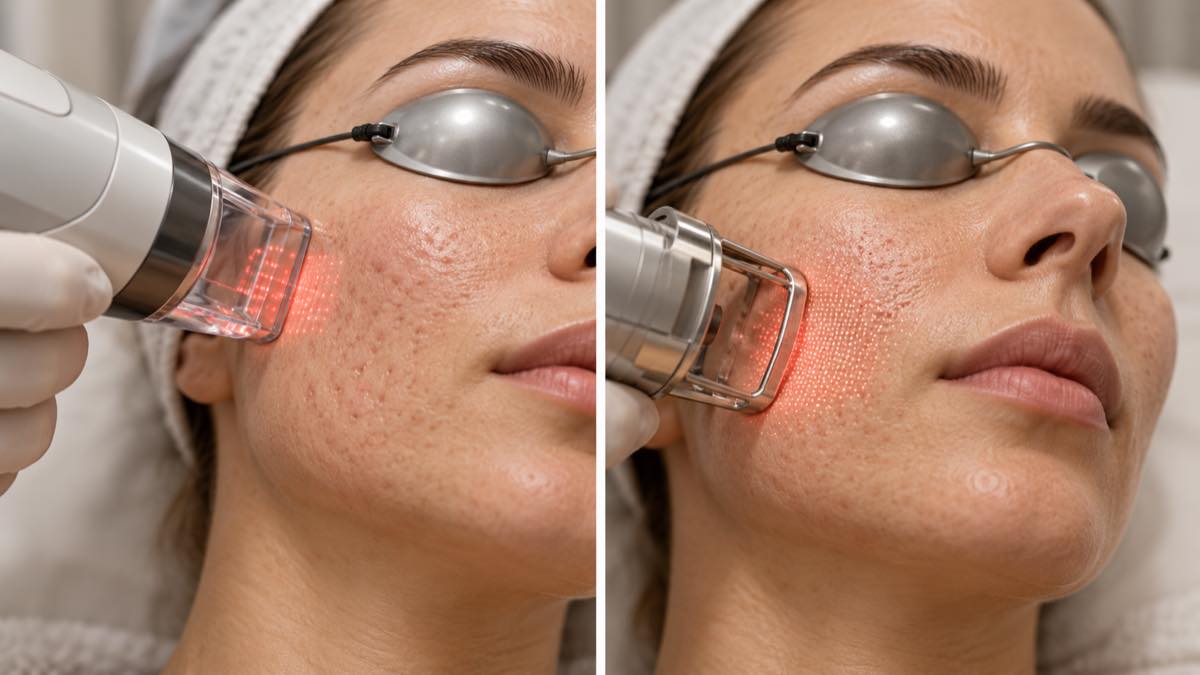
At Roxana Aesthetics, a pigmentation treatment in Dubai begins with a detailed skin assessment and a personalised plan. Depending on the concern, options may include targeted laser energy, chemical peels or IPL, followed by guidance on skincare and sun protection. No single option suits every patch or every complexion.
How to stop dark spots from coming back
Longer-lasting improvement usually comes from a system, not a one-off appointment. Think of it in four parts: identify, treat, protect and maintain.
Get the diagnosis right first
Before booking a procedure, consider whether the colour followed acne, appears symmetrically or changes with pregnancy, medication, heat or sun. Has the spot changed shape, size or colour?
If a mark is new, raised, bleeding, itchy or changing, seek medical assessment promptly rather than trying to lighten it at home.
Use treatment at the right pace
Professional treatments work differently. Chemical peels exfoliate selected surface layers; IPL uses broad-spectrum light; and lasers deliver targeted energy to pigment at specific depths. Suitability depends on the individual concern.
The schedule depends on the diagnosis, skin tone and response. Recovery time helps limit irritation and rebound pigmentation.
Results are gradual. Pigment that took months or years to form rarely disappears overnight. Photographs in consistent lighting can show progress more reliably than daily mirror checks.
Make sun protection a daily treatment step
Sunscreen is part of the treatment. Apply a generous, even layer of broad-spectrum, high protection every morning, and reapply when outdoors, sweating or near strong daylight. Hats, sunglasses and shade add physical protection.
For melasma-prone skin, tinted sunscreen containing iron oxides may add visible-light protection. Ask which formulation suits you; the best sunscreen is one you will use consistently.
Keep the skin barrier calm
Scrubbing a dark patch will not polish it away. Overusing acids, retinoids or abrasive tools can create the inflammation that pigment-producing cells respond to. Introduce active products gradually, avoid stacking several strong formulas without guidance and pause if your skin becomes persistently sore, tight or flaky.
Gentle cleansing, moisturising and not picking at breakouts often separate steady progress from a recurring cycle of irritation and marks.
Control the trigger, not only the stain
If acne is leaving marks, treat the acne. If shaving causes bumps, review the technique and products. If melasma deepens with heat, reduce avoidable high-heat exposure. If a product repeatedly stings, stop forcing your skin to tolerate it.
Prevention happens in small decisions between appointments. In-clinic care can do important work, but your daily routine protects that investment.
What a realistic treatment journey looks like
A credible plan sets clear expectations. You may need a series of sessions, some patches may fade faster than others, and maintenance skincare or follow-ups may be advised. Hormonal changes, inflammation or strong sun can reactivate pigment.
That is not failure. It is the nature of a condition influenced by both the skin and the environment. Good hyperpigmentation treatment in Dubai aims for controlled, progressive improvement with as little unnecessary irritation as possible.
At Roxana Aesthetics, the team assesses your concern, discusses suitable options and explains preparation, recovery and aftercare. Current pigmentation services include laser treatments, chemical peels and IPL when appropriate, selected around the individual rather than a fixed package.
When should you book a consultation?
Book an assessment if pigmentation persists, keeps returning, follows recurring acne or has not improved with a careful routine. Seek advice before strong lightening products, peels, lasers or IPL, especially for melanin-rich or sensitive skin.
Bring a list of your skincare, medications and previous procedures. Mention pregnancy, breastfeeding, recent tanning, active irritation and any history of poor healing; these details help guide safer next steps.
Clearer skin starts with understanding the cause
Dark spots come back when the skin keeps receiving the same message to make pigment. The answer is rarely to keep treating the surface more aggressively. It is to identify the type of pigmentation, reduce the trigger, choose the right procedure and protect the result every day.
If you have been comparing hyperpigmentation treatment Dubai options, begin with an assessment rather than a promise of instant removal. Roxana Aesthetics offers personalised pigmentation care at its Al Safa clinic, with treatment options selected for your skin and goals.
Book a consultation with Roxana Aesthetics to build a plan for clearer, more even-looking skin—and learn how to keep your results on track