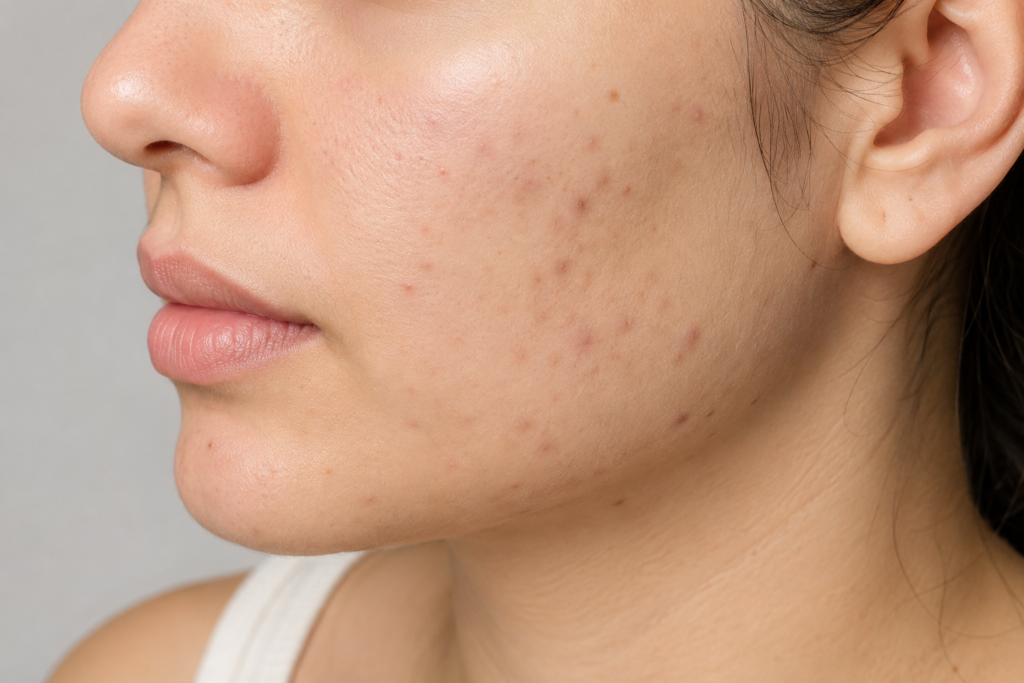
Have you ever looked in the mirror and noticed dark patches, brown spots, or uneven skin tone but had no idea what caused them?
You’re not alone.
Many people assume all pigmentation concerns are the same. In reality, sun damage, melasma, and post-acne marks develop for completely different reasons. While they may appear similar at first glance, they respond differently to treatment. Using the wrong approach can lead to frustration, wasted time, and disappointing results.
This is why a proper diagnosis is the most important first step before starting any pigmentation treatment in Dubai.
At Roxana Aesthetics, one of the most common questions patients ask is:
“How do I know if I have melasma, sun damage, or acne marks?”
Let’s break down the key differences and explore which treatments are most effective for each condition.
Why Pigmentation Happens
Pigmentation occurs when the skin produces excess melanin, the natural pigment responsible for skin colour. Several factors can trigger this process, including:
- UV exposure
- Hormonal fluctuations
- Inflammation
- Acne breakouts
- Genetics
- Heat exposure
- Certain medications
The challenge is that different pigmentation conditions can look surprisingly alike. Understanding the source of the discoloration helps determine the most effective treatment plan.
What Is Sun Damage?
Sun damage, often referred to as solar pigmentation or sun spots, develops after years of cumulative exposure to ultraviolet (UV) rays.
Unlike a sunburn, which appears quickly, sun damage gradually builds over time.
Common Signs of Sun Damage
- Small brown spots on the face, chest, shoulders, or hands
- Freckles becoming darker and more noticeable
- Uneven skin tone
- Rough skin texture
- Fine lines and premature ageing
Sun damage tends to appear in areas that receive the most sunlight throughout life.
Who Is Most Likely to Develop It?
- Individuals who spend significant time outdoors
- Residents of sunny climates such as Dubai
- People who rarely use sunscreen
- Those with a history of tanning
Best Sun Damage Treatment Dubai Options
The good news is that sun-induced pigmentation often responds very well to treatment. Popular options include:
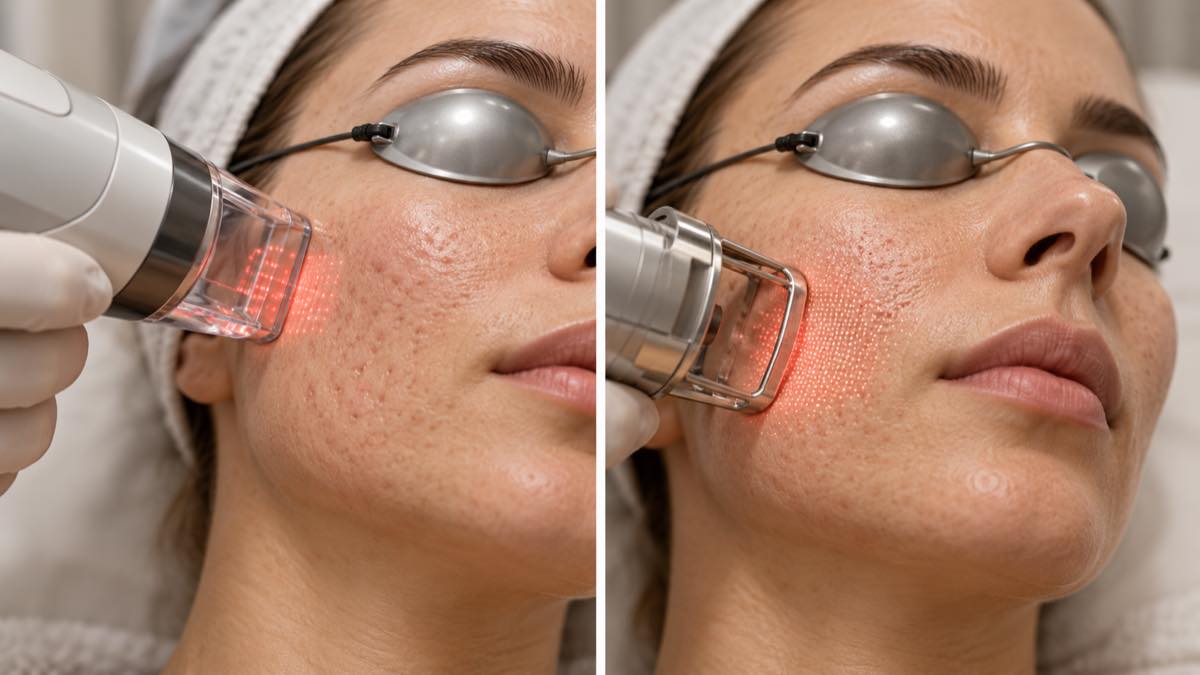
1. Laser Treatments – Advanced laser technologies target excess pigment while leaving surrounding tissue unaffected. These treatments help break down dark spots and encourage clearer skin.
2. Chemical Peels – Medical-grade peels remove damaged surface layers and stimulate fresh skin renewal.
3. Cosmelan Depigmentation Treatment – Cosmelan is particularly effective for widespread pigmentation and uneven skin tone caused by sun exposure.
4. Medical Skincare – Professional skincare products containing ingredients such as vitamin C, retinoids, tranexamic acid, and hydroquinone may help improve results and maintain long-term skin clarity.
What Is Melasma?
Melasma is one of the most misunderstood forms of pigmentation.
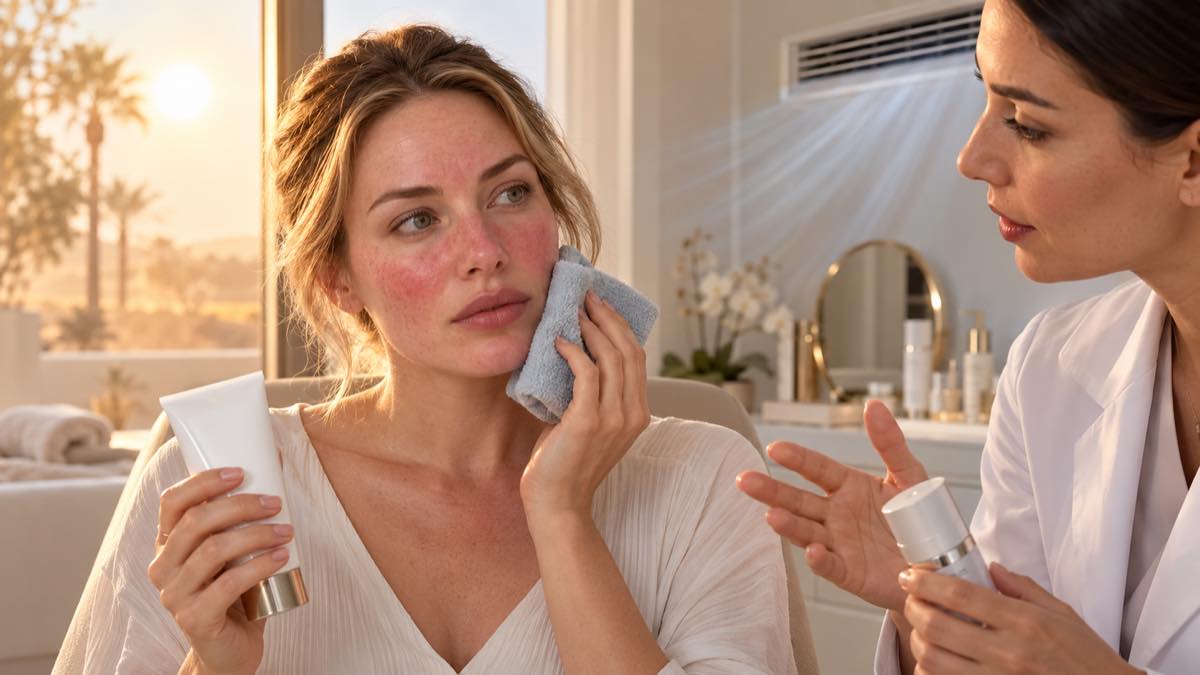
Unlike sun damage, melasma is primarily influenced by hormones, although sun exposure can make it significantly worse. It often appears as larger patches of pigmentation rather than individual spots.
Common Signs of Melasma
- Symmetrical brown or grey-brown patches
- Usually affects both sides of the face
- Common on cheeks, forehead, upper lip, and chin
- Pigmentation appears diffuse rather than spot-like
Common Triggers
- Pregnancy
- Birth control pills
- Hormone replacement therapy
- Genetics
- Heat exposure
- UV radiation
Many people refer to melasma as the “mask of pregnancy,” but it can affect both women and men.
Why Melasma Is More Challenging
Melasma tends to develop deeper within the skin compared to many forms of sun damage. Aggressive treatments can sometimes worsen the condition if not performed correctly. This is why melasma treatment in Dubai requires a customised and cautious approach.
Best Melasma Treatment Dubai Options
1. Cosmelan Peel – Cosmelan remains one of the most widely recommended treatments for melasma because it addresses pigment production at its source.
2. Tranexamic Acid Therapy – This treatment helps regulate pigmentation pathways and is increasingly used in melasma management.
3. Gentle Laser Protocols – Not all lasers are suitable for melasma. Carefully selected devices and settings are essential to avoid triggering rebound pigmentation.
4. Medical Skincare Programmes – Long-term maintenance plays a crucial role in controlling melasma and preventing recurrence.
What Are Post-Acne Marks?
Post-acne marks, also known as post-inflammatory hyperpigmentation (PIH), develop after acne lesions heal. Unlike melasma or sun damage, these marks are a result of inflammation. When the skin experiences trauma from a pimple, it may respond by producing excess pigment during healing.
Common Signs of Post-Acne Marks
- Brown, red, or purple spots
- Located where previous acne existed
- Often scattered across acne-prone areas
- May gradually fade over time
Many patients confuse acne scars with post-acne pigmentation.
The difference is important.
Pigmentation refers to colour changes in the skin, while scars involve changes in skin texture.
Who Develops Post-Acne Marks?
- Individuals with inflammatory acne
- People who pick or squeeze blemishes
- Medium to darker skin tones
- Patients with recurrent breakouts
Best Post Acne Marks Treatment Options
1. Chemical Peels – Chemical peels help accelerate skin renewal and reduce visible pigmentation.
2. Microneedling – Microneedling stimulates collagen production while helping improve uneven skin tone.
3. Laser Treatments – Certain laser technologies effectively target pigmentation left behind after acne.
4. Skin Brightening Treatments – Targeted ingredients can help gradually reduce hyperpigmentation and improve overall skin clarity.
How to Tell the Difference
The easiest way to distinguish these conditions is by examining the pattern and location of the pigmentation.
| Feature | Sun Damage | Melasma | Post-Acne Marks |
| Appearance | Individual dark spots | Larger patches | Spots where acne existed |
| Cause | UV exposure | Hormones + UV | Inflammation from acne |
| Common Areas | Face, chest, hands | Cheeks, forehead, upper lip | Acne-prone areas |
| Shape | Round or irregular spots | Symmetrical patches | Small scattered marks |
| Treatment Difficulty | Moderate | More challenging | Usually responds well |
| Recurrence Risk | Moderate | High | Low if acne controlled |
Although this table offers a helpful guide, professional assessment remains the most reliable way to determine the exact cause of pigmentation.
Why Self-Diagnosis Often Leads to Poor Results
Many patients purchase skincare products online assuming they have sun spots when they actually have melasma. Others undergo aggressive laser treatments for melasma only to see their pigmentation worsen. Successful hyperpigmentation treatment begins with understanding exactly what type of pigmentation is present.
At Roxana Aesthetics, skin analysis allows practitioners to evaluate:
- Pigment depth
- Pigmentation type
- Underlying triggers
- Skin sensitivity
- Previous treatment history
This helps create a personalized treatment plan designed for long-term improvement.
Preventing Future Pigmentation
Regardless of the type of pigmentation you have, prevention is essential.
- Daily SPF Is Non-Negotiable Use a broad-spectrum sunscreen with SPF 50 every day, even when indoors or during cloudy weather.
- Avoid Excessive Heat Exposure Heat can trigger melasma and worsen existing pigmentation.
- Treat Acne Early Controlling breakouts reduces the likelihood of post-inflammatory pigmentation.
- Maintain a Professional Skincare Routine Consistent use of medical-grade skincare products supports treatment results and helps prevent recurrence.
Which Pigmentation Treatment Is Right for You?
The best treatment depends entirely on the underlying cause.
- Sun damage often responds well to laser treatments, peels, and skin rejuvenation procedures.
- Melasma typically requires a combination of Cosmelan, medical skincare, and long-term maintenance.
- Post-acne marks may improve through chemical peels, microneedling, laser treatments, and targeted brightening therapies.
What works exceptionally well for one type of pigmentation may be ineffective—or even counterproductive—for another. That is why a personalized assessment is always the best place to start.
Final Thoughts
Dark spots are not all created equal.
Sun damage, melasma, and post-acne marks may appear similar, but each develops through different biological processes and requires a tailored treatment strategy.
The key to achieving clearer, more even skin is identifying the root cause rather than treating pigmentation as a single condition.
If you’re unsure what type of pigmentation you’re dealing with, a professional consultation can provide the clarity needed to choose the most effective treatment path.
At Roxana Aesthetics, personalised treatment plans are designed to address your unique skin concerns, helping you achieve healthier, brighter, and more confident-looking skin.